





- Home
- >
- News
- >
- What is Aramid Yarn?
- >
What is Aramid Yarn?
2026-03-27 15:11
In the world of high-performance textiles, aramid yarn stands out as one of the most advanced and reliable materials available. Known for its exceptional strength, heat resistance, and durability, aramid yarn is widely used in protective clothing, industrial applications, and advanced engineering fields. From firefighters’ gear to aerospace components, this specialized material plays a critical role in enhancing safety and performance.
As industries demand stronger and more heat-resistant materials, aramid yarn has become a key component in modern textile engineering. This article provides a comprehensive overview of aramid yarn, including its definition, composition, properties, comparisons with other materials, and its wide-ranging applications.
Definition and Overview of Aramid Yarn
Aramid yarn refers to yarn made from aramid fiber, a class of synthetic fibers known as aromatic polyamides. These fibers are engineered to deliver high strength, excellent thermal stability, and resistance to wear and chemicals. The term “aramid” itself comes from “aromatic polyamide,” which describes the chemical structure that gives the material its unique performance.
Unlike conventional industrial yarn, aramid yarn does not melt when exposed to high temperatures. Instead, it decomposes at very high heat levels, making it an ideal heat resistant yarn for extreme environments. This characteristic makes aramid yarn particularly valuable in safety-critical applications where exposure to flames or high heat is common.
In addition to its thermal properties, aramid yarn is also widely used as a flame retardant yarn, forming the foundation of many flame retardant fabrics used in protective clothing. Its combination of strength and flame resistance makes it indispensable in industries such as oil and gas, electrical utilities, and military defense.
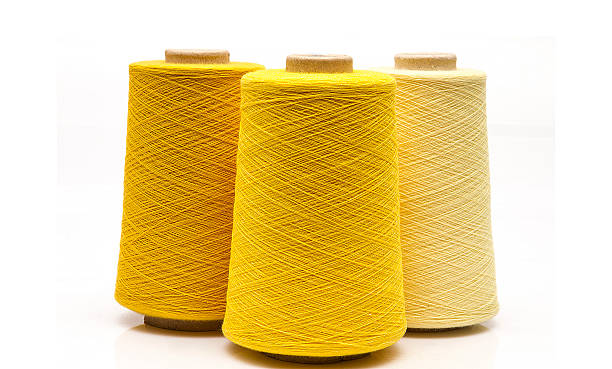
Composition and Types of Aramid Yarn
Chemical Structure of Aramid Fibers
The performance of aramid yarn is rooted in the unique molecular structure of aramid fiber. These fibers consist of long chains of aromatic polyamide molecules, which are highly oriented and tightly bonded. This structure provides exceptional tensile strength and resistance to heat.
Because of this strong molecular alignment, aramid yarn exhibits remarkable stability even under extreme conditions. The fibers do not easily break down when exposed to heat, making them a preferred heat resistant yarn in industrial applications.
Additionally, the chemical composition of aramid yarn contributes to its flame-resistant behavior. When exposed to fire, the fibers form a protective char layer rather than melting, which is why they are widely used in flame retardant fabrics.
Meta-Aramid vs Para-Aramid
There are two main types of aramid yarn: meta-aramid yarn and para-aramid yarn. Each type offers distinct performance characteristics suited to different applications.
Meta-aramid yarn is primarily known for its excellent heat and flame resistance. It is commonly used in protective clothing and flame retardant fabrics for firefighters and industrial workers. As a reliable flame retardant yarn, it provides consistent thermal protection even after prolonged use.
Para-aramid yarn, on the other hand, is renowned for its extremely high strength and durability. It is often used in applications requiring mechanical reinforcement, such as ropes, cables, and ballistic protection. Compared to other industrial yarn options, para-aramid yarn offers a superior strength-to-weight ratio.
Both types of aramid yarn play a vital role in modern textile applications, often being combined to achieve optimal performance in both strength and heat resistance.
Key Properties of Aramid Yarn
Heat and Flame Resistance
One of the most important characteristics of aramid yarn is its outstanding resistance to heat and flame. As a high-performance heat resistant yarn, it can withstand temperatures far higher than conventional fibers.
Unlike synthetic materials such as polyester or nylon, aramid yarn does not melt when exposed to fire. Instead, it forms a stable char layer that protects the underlying material. This property makes it an essential flame retardant yarn used in protective clothing and safety equipment.
Because of these qualities, aramid yarn is widely used in the production of flame retardant fabrics designed for hazardous environments.
High Strength and Lightweight Performance
Another defining feature of aramid yarn is its exceptional strength. It is significantly stronger than many traditional fibers while remaining lightweight. This makes aramid yarn an ideal choice for applications that require both durability and ease of movement.
In industries where weight reduction is critical—such as aerospace and military—aramid yarn provides a unique advantage. It delivers high performance without adding unnecessary bulk, making it a preferred industrial yarn for advanced engineering applications.
Chemical and Abrasion Resistance
In addition to its thermal and mechanical properties, aramid yarn also offers excellent resistance to chemicals and abrasion. This makes it suitable for use in harsh industrial environments where materials are exposed to corrosive substances or mechanical wear.
Compared to other types of industrial yarn, aramid yarn maintains its integrity over long periods, even under challenging conditions. This durability contributes to longer product lifespans and reduced maintenance costs.
Comparison with Other High-Performance Yarns
Aramid Yarn vs Polyester Yarn
When comparing aramid yarn to polyester, the most significant difference lies in heat resistance. Polyester is a widely used industrial yarn, but it melts when exposed to high temperatures. In contrast, aramid yarn remains stable and does not melt, making it a superior heat resistant yarn.
While polyester may be more cost-effective, it cannot match the flame-resistant performance of aramid yarn, especially in safety-critical applications.
Aramid Yarn vs Carbon Fiber
Both aramid yarn and carbon fiber are high-performance materials, but they serve different purposes. Carbon fiber offers excellent stiffness and strength, but it is more brittle compared to aramid yarn.
Aramid yarn provides better flexibility and impact resistance, making it more suitable for applications such as protective clothing and flame retardant fabrics. Additionally, aramid yarn is often preferred when both strength and flexibility are required.
Aramid Yarn vs Nylon
Nylon is another common industrial yarn known for its strength and elasticity. However, nylon melts at relatively low temperatures, which limits its use in high-heat environments.
In contrast, aramid yarn offers superior thermal stability and is widely used as a flame retardant yarn in protective applications. For industries requiring both durability and heat resistance, aramid yarn is the better choice.
Applications of Aramid Yarn in Industrial Textiles
Flame Resistant Fabrics and Protective Clothing
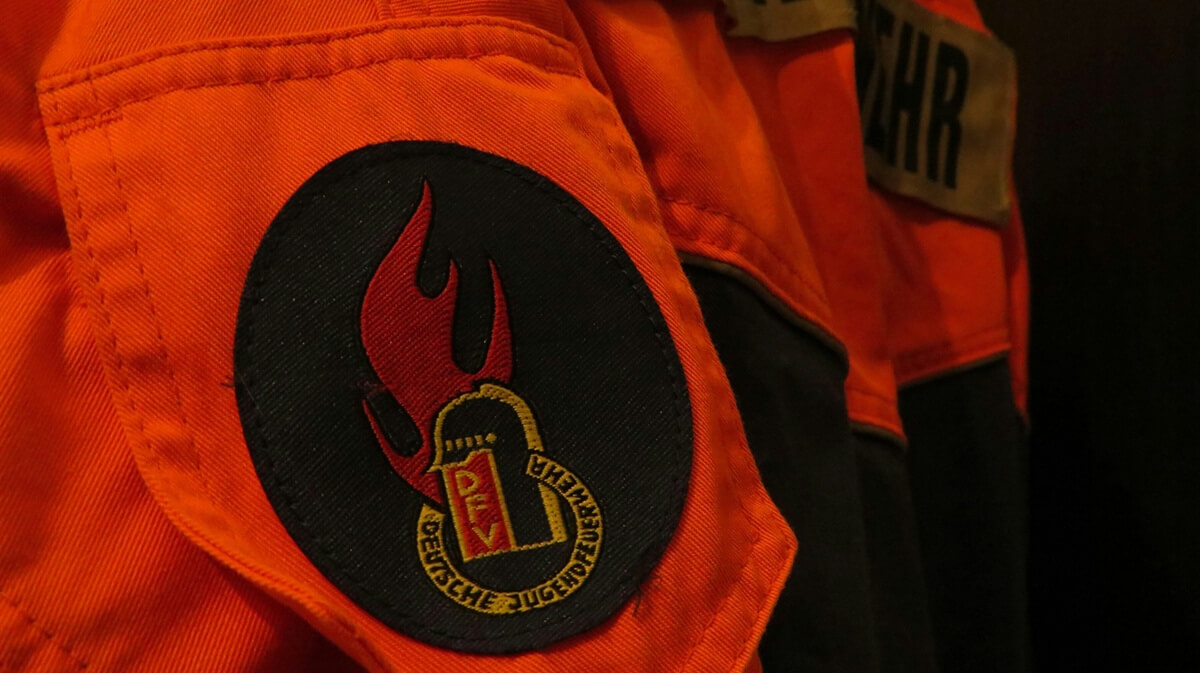
One of the most important applications of aramid yarn is in the production of flame retardant fabrics. These fabrics are used to manufacture protective clothing for workers in hazardous environments.
Because aramid yarn functions as a reliable flame retardant yarn, it is commonly used in garments for firefighters, welders, and electrical workers. Its ability to resist heat and flame makes it an essential component of modern safety gear.
Aerospace and Military Applications
In aerospace and military industries, aramid yarn is used for its strength, lightweight properties, and resistance to extreme conditions. It is commonly found in ballistic protection, helmets, and aircraft components.
The high performance of aramid yarn makes it a critical material for applications where both safety and durability are paramount.
Industrial Reinforcement and Composites
Beyond textiles, aramid yarn is also used in industrial reinforcement and composite materials. It is commonly incorporated into ropes, cables, and reinforced plastics to enhance strength and durability.
As a versatile industrial yarn, aramid yarn plays a key role in improving the performance of various engineered products across multiple industries.
Conclusion
Aramid yarn is a high-performance material that combines strength, heat resistance, and durability, making it indispensable in modern industrial and protective applications. From its unique chemical structure to its wide range of uses, aramid yarn continues to set the standard for advanced textile materials.
Whether used as a heat resistant yarn, a flame retardant yarn, or a reinforcement material, aramid yarn delivers unmatched performance in demanding environments. Its role in the production of flame retardant fabrics further highlights its importance in ensuring safety and reliability across industries.
As technology continues to evolve, the demand for aramid yarn is expected to grow, reinforcing its position as a cornerstone of high-performance textile innovation.
Related News
Read More >-
![How Does an Antistatic Jacket Work?]()
How Does an Antistatic Jacket Work?
Learn how an antistatic jacket works, how conductive yarn and antistatic fabric dissipate static charge, and what affects ESD protection performance.
-
![What Is an Antistatic Jacket?]()
What Is an Antistatic Jacket?
Learn what an antistatic jacket is, how it works, the materials used, key applications, ESD standards, and how to choose the right jacket for work.
-
![What Is Stainless Steel Yarn Used For?]()
What Is Stainless Steel Yarn Used For?
Discover what stainless steel yarn is used for, from antistatic and EMI shielding fabrics to smart textiles, heating, and protective clothing.
-
![What Is Stainless Steel Yarn?]()
What Is Stainless Steel Yarn?
What is stainless steel yarn? Learn about its conductivity, properties, types, applications, and uses in antistatic, ESD, and functional textiles.
-
![What Are Flame Retardant Textiles?]()
What Are Flame Retardant Textiles?
Learn what flame retardant textiles are, how they work, key fabric types, applications, standards, and how to choose flame-resistant fabrics for protective clothing.
-
![What is Cotton Flame Retardant Fabric?]()
What is Cotton Flame Retardant Fabric?
Explains what cotton flame retardant fabric is, how it works, how it differs from inherent FR materials, where it is used, what standards buyers should consider, and how to select the right fabric for a protective clothing program.
-
![Which is Better, Aramid or Kevlar Fabric?]()
Which is Better, Aramid or Kevlar Fabric?
Compare aramid fabric vs Kevlar fabric, including strength, flame resistance, applications, and key differences to choose the right protective material.
-
![What Is Aramid Fabric?]()
What Is Aramid Fabric?
Learn what aramid fabric is, its key properties, the differences between meta aramid fabric and para aramid fabric, common applications, and how to choose the right flame retardant fabric for industrial protective clothing.