



What Fabrics Are Flame Retardant?
2026-03-12 15:55
Fire safety is a critical concern in many industries, including oil and gas, electrical power, manufacturing, firefighting, and military applications. Workers operating in high-risk environments require specialized protective clothing materials that can reduce the risk of burns and prevent the spread of flames. One of the most important solutions for these environments is the use of flame retardant fabrics.
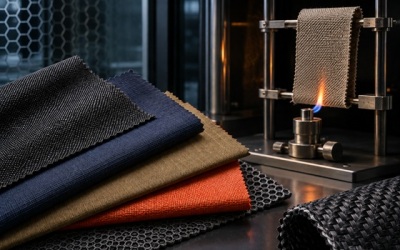
Flame retardant fabrics are designed to resist ignition, slow down flame spread, and often self-extinguish once the heat source is removed. These fabrics play a crucial role in personal protective equipment (PPE), industrial uniforms, and fire-resistant garments. They help protect workers from heat exposure, flash fires, and arc flashes.
In this article, we will explore what flame retardant fabrics are, how they are tested and certified, the different types available, and how to choose the right materials for protective clothing.
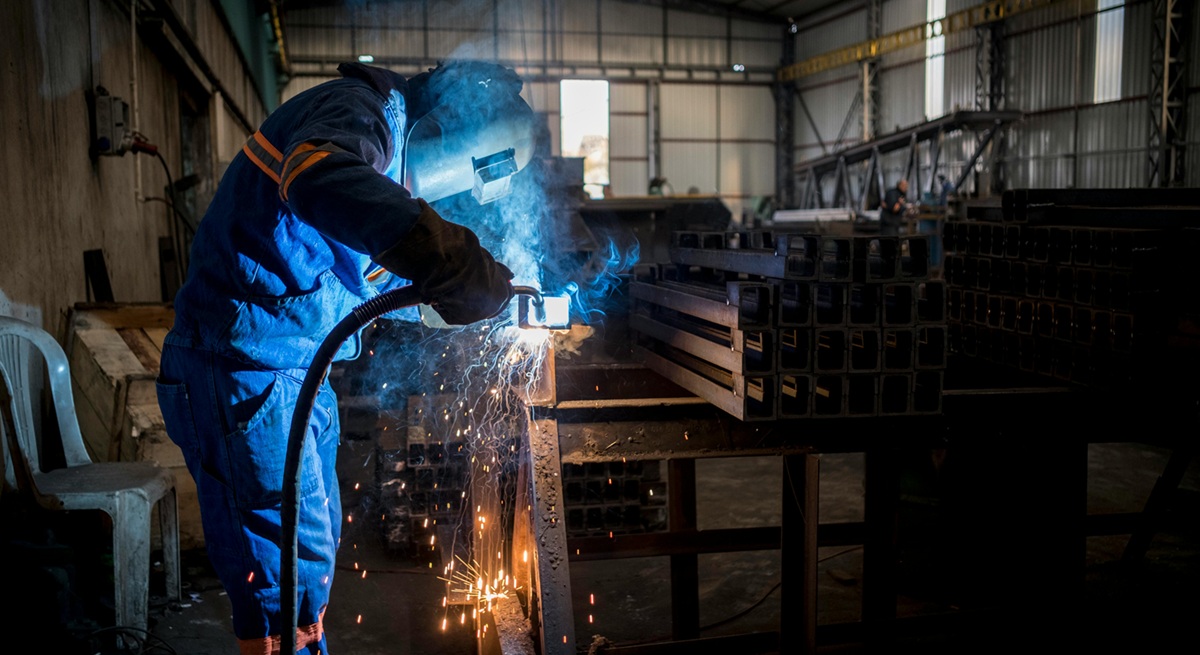
What Are Flame Retardant Fabrics?
Flame retardant fabrics are textiles engineered to reduce the risk of fire hazards by slowing ignition and preventing flames from spreading rapidly. Unlike ordinary textiles, these fabrics are specifically designed to resist burning when exposed to heat or flame.
When a regular fabric catches fire, it may burn quickly, melt, or drip molten material that can worsen injuries. In contrast, flame retardant fabrics are designed to either resist ignition or self-extinguish when the flame source is removed. This property significantly reduces burn injuries and provides critical time for individuals to escape dangerous situations.
These fabrics are commonly used as protective clothing materials in hazardous workplaces. Industries such as oil refining, chemical manufacturing, welding, and electrical utilities rely on flame retardant fabrics to create garments that offer protection from heat and fire exposure.
How Can You Tell If a Fabric Is Flame Retardant?
Identifying whether a textile qualifies as flame retardant fabrics requires more than visual inspection. Manufacturers and safety organizations rely on standardized tests and certifications to ensure that materials meet strict fire protection requirements.
Two key methods are used to determine whether a fabric meets flame resistance standards: certification according to industry standards and laboratory testing.
Industry Standards and Certifications
Several international standards define the performance requirements for flame retardant fabrics used in protective clothing. These certifications ensure that the fabrics provide reliable fire protection in real-world applications.
One of the most widely recognized standards is NFPA 2112 fabric, which is designed for garments used in flash fire environments. The NFPA 2112 standard specifies rigorous testing requirements to ensure the fabric can provide adequate protection against sudden fire exposure.
Other commonly used standards include:
ASTM F1506 – Used for arc flash protective clothing in electrical environments
EN ISO 11612 – European standard for protective clothing against heat and flame
NFPA 70E – Electrical safety standard that includes arc flash protection requirements
Laboratory Testing Methods
In addition to certification standards, laboratory testing plays a critical role in evaluating flame retardant fabrics. Specialized tests measure how fabrics respond to heat, flame exposure, and ignition sources.
Common testing methods include:
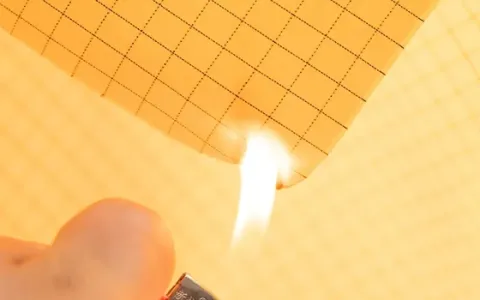
Vertical Flame Test
This test evaluates how a fabric burns when exposed to a controlled flame. High-performance flame retardant fabrics will self-extinguish quickly and show minimal flame spread.
Limiting Oxygen Index (LOI) Test
The LOI test measures the minimum oxygen concentration required to support combustion. Materials with a higher LOI value are considered more fire resistant.
Thermal Protective Performance (TPP) Test
This test measures the amount of thermal energy required to cause a second-degree burn through the fabric. It is commonly used for evaluating industrial flame-resistant fabric used in protective clothing.
These laboratory evaluations ensure that flame retardant fabrics provide reliable protection under hazardous conditions.
Types of Flame Retardant Fabrics
Not all flame retardant fabrics achieve fire protection in the same way. In general, these materials can be divided into two major categories: inherently flame resistant fabrics and treated flame retardant fabrics.
Inherently Flame Retardant Fabrics
Inherently flame resistant fabrics are made from fibers that possess built-in flame resistance at the molecular level. This means the protective property is permanent and will not wash out or degrade over time.
Common fibers used in inherently flame resistant fabrics include:
Aramid fibers (such as Nomex or Kevlar)
Modacrylic fibers
Polybenzimidazole (PBI) fibers
FR viscose blends
Because their fire resistance is part of the fiber structure, inherently flame resistant fabrics maintain their performance even after repeated washing or long-term use.
These fabrics are often used in demanding environments such as firefighting suits, military uniforms, and aerospace protective clothing. They are widely recognized as highly reliable heat-resistant fabrics for extreme heat exposure.

Treated Flame Retardant Fabrics
Another common category is treated flame retardant fabrics. These materials start as regular fibers, such as cotton or polyester, and are then treated with chemical flame retardant finishes.
Popular examples include:
FR cotton
Cotton-nylon blends
Treated polyester fabrics
The treatment process modifies the fabric so it can resist ignition and reduce flame spread. Treated flame retardant fabrics are widely used in industrial workwear because they provide a balance between safety, comfort, and affordability.
Common Fabrics Used for Flame Retardant Clothing
Several types of flame retardant fabrics are commonly used in the production of protective clothing. Each fabric type offers different advantages depending on the working environment.
Aramid Fabrics
Aramid fibers are among the most widely used materials for flame retardant fabrics. They provide exceptional heat resistance, durability, and flame protection, making them ideal for firefighting and military applications.
Modacrylic Fabrics
Modacrylic fibers are widely used in industrial flame-resistant fabric blends. These materials are lightweight, soft, and resistant to heat and flame.
FR Cotton Fabrics
FR cotton is one of the most popular flame retardant fabrics for workwear. It provides good comfort and breathability while maintaining reliable fire protection.
Carbon Fiber Blended Fabrics
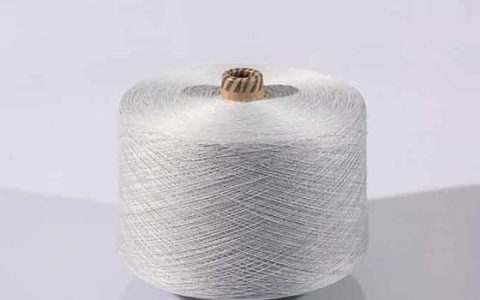
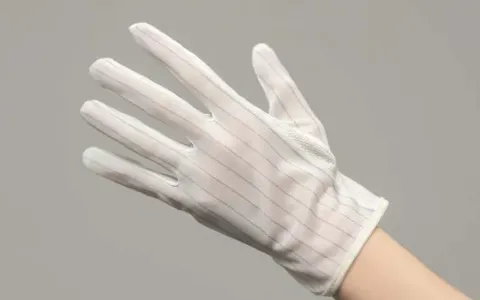
Some advanced flame retardant fabrics incorporate carbon fibers to improve antistatic performance and arc flash resistance.
Flame Retardant Polyester Fabrics
Polyester fabrics can also be treated to create durable flame retardant fabrics for industrial uniforms and protective garments.
These protective clothing materials are commonly used in industries where workers face potential exposure to flames, sparks, or high temperatures.
How to Choose the Right Flame Retardant Fabric
Selecting the correct flame retardant fabrics for protective clothing requires careful consideration of several factors. The right material should not only provide fire protection but also ensure comfort, durability, and compliance with safety standards.
Key factors to consider include:
Safety Standards
Ensure that the selected flame retardant fabrics meet industry certifications such as NFPA 2112 fabric requirements or other relevant safety standards.
Heat Exposure Level
Different workplaces expose workers to different levels of heat and flame. High-risk environments may require inherently flame resistant fabrics, while moderate risk areas may use treated fabrics.
Comfort and Breathability
Protective clothing materials should allow workers to remain comfortable during long working hours. Fabrics such as FR cotton provide good moisture absorption and breathability.
Durability and Maintenance
Industrial garments are often washed frequently. Choosing high-quality flame retardant fabrics ensures long-lasting protection and durability.
Cost Efficiency
Balancing safety performance with cost is also important when selecting industrial flame-resistant fabric for large-scale workwear production.
By evaluating these factors, manufacturers and safety managers can choose the most suitable flame retardant fabrics for their specific applications.
Flame Retardant Fabric Solutions From CJTI
As industries continue to prioritize workplace safety, the demand for high-performance flame retardant fabrics continues to grow. Reliable functional textile manufacturers play a key role in developing advanced materials that meet strict fire protection standards.
CJTI focuses on developing and producing advanced flame-retardant fabrics for workwear and protective clothing. With extensive experience in functional textiles, CJTI provides high-quality flame resistant fabrics designed to meet international safety standards.
In addition, CJTI provides customized industrial flame-resistant fabric solutions tailored to specific safety requirements. With professional testing capabilities and strict quality control, CJTI ensures that its flame retardant fabrics deliver reliable protection, durability, and comfort.
If you are looking for high-performance flame retardant fabrics for protective clothing or industrial applications, CJTI can provide expert support and innovative textile solutions. Contact CJTI to learn more about their advanced flame protection fabric technologies and customized fabric solutions.
Related News
Read More >-
![Cleanroom Clothing vs. Antistatic Clothing: What's the Difference?]()
Cleanroom Clothing vs. Antistatic Clothing: What's the Difference?
Compare cleanroom clothing vs. antistatic clothing, including key differences in fabric, ESD protection, contamination control, standards, and applications.
-
![How to Choose Stainless Steel Yarn for Conductive Textiles?]()
How to Choose Stainless Steel Yarn for Conductive Textiles?
Learn how to choose stainless steel yarn for conductive textiles. Compare fiber content, electrical resistance, yarn count, durability, and testing requirements.
-
![Stainless Steel Yarn vs. Conductive Yarn: What's the Difference?]()
Stainless Steel Yarn vs. Conductive Yarn: What's the Difference?
Compare stainless steel yarn with carbon and silver-coated conductive yarns. Explore differences in conductivity, durability, flexibility, and applications.
-
![How Does an Antistatic Jacket Work?]()
How Does an Antistatic Jacket Work?
Learn how an antistatic jacket works, how conductive yarn and antistatic fabric dissipate static charge, and what affects ESD protection performance.
-
![What Is an Antistatic Jacket?]()
What Is an Antistatic Jacket?
Learn what an antistatic jacket is, how it works, the materials used, key applications, ESD standards, and how to choose the right jacket for work.
-
![What Is Stainless Steel Yarn Used For?]()
What Is Stainless Steel Yarn Used For?
Discover what stainless steel yarn is used for, from antistatic and EMI shielding fabrics to smart textiles, heating, and protective clothing.
-
![What Is Stainless Steel Yarn?]()
What Is Stainless Steel Yarn?
What is stainless steel yarn? Learn about its conductivity, properties, types, applications, and uses in antistatic, ESD, and functional textiles.
-
![What Are Flame Retardant Textiles?]()
What Are Flame Retardant Textiles?
Learn what flame retardant textiles are, how they work, key fabric types, applications, standards, and how to choose flame-resistant fabrics for protective clothing.