



The Critical Role of Flame-Resistant Sewing Threads in Protective Textile Systems
2026-02-28 11:19
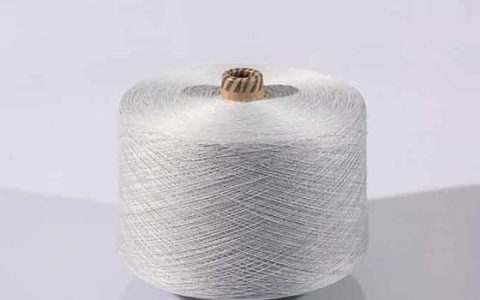
Flame-resistant (FR) sewing threads represent a specialized yet essential component in the architecture of protective garments and industrial textiles. While often overlooked, these threads serve as the critical connective element that determines the overall integrity and safety performance of finished products. In fire-retardant clothing, the seam is frequently the weakest point in the protective system; if the thread fails, melts, or ignites, the entire garment's protective capability is compromised regardless of how advanced the base fabric may be.
FR sewing threads are engineered from high-performance fibers that possess inherent thermal stability, meaning their flame-resistant properties are molecularly integrated rather than chemically applied. This ensures permanent protection that does not diminish with washing, wear, or exposure to extreme conditions. These specialized threads must withstand not only direct flame and radiant heat but also maintain tensile strength at elevated temperatures, resist abrasion during industrial laundering, and provide reliable seam integrity throughout the garment's entire service life. The selection of appropriate FR thread is therefore a critical engineering decision that directly impacts worker safety in industries such as firefighting, welding, electrical utilities, and chemical processing.
Aramid Fiber Technologies: Meta-Aramid and Para-Aramid in Thread Construction
The most advanced flame-resistant sewing threads are constructed from aramid fibers, which represent a family of synthetic polymers renowned for exceptional thermal stability and mechanical performance. These high-tech fibers form the backbone of modern protective textile systems.
Meta-Aramid Fibers such as those commonly known by trade names like Nomex®, are characterized by outstanding heat resistance and flame-retardant properties. These fibers do not melt or drip when exposed to flame; instead, they form a protective char layer that insulates the underlying materials and self-extinguishes upon removal of the ignition source. Meta-aramid threads can withstand continuous exposure to temperatures up to 371°C without degradation, making them ideal for firefighter turnout gear, industrial protective clothing, and military combat uniforms where thermal protection is paramount. The molecular structure of meta-aramid features meta-oriented benzene rings, which provides excellent thermal stability while maintaining flexibility for textile processing.
Para-Aramid Fibers, exemplified by materials like Kevlar®, offer complementary properties of extraordinary tensile strength—five times stronger than steel on an equal weight basis—combined with excellent cut and abrasion resistance. The para-oriented molecular structure creates a highly crystalline, rigid polymer chain that delivers exceptional mechanical performance. In thread applications, para-aramid provides the mechanical robustness necessary for high-stress seams, particularly in applications requiring resistance to mechanical wear and puncture.
Many advanced FR sewing threads utilize strategic blends of meta-aramid and para-aramid fibers, where the meta-aramid component delivers inherent flame and heat resistance while the para-aramid contributes superior strength and abrasion performance. This balanced construction ensures both thermal protection and seam durability in safety-critical environments. Additional high-performance fibers including polyimide and modified polysulfonamide (PSA) fibers are increasingly incorporated to enhance specific performance characteristics such as thermal oxidative stability and resistance to chemical degradation, expanding the application possibilities for extreme environments.
Performance Standards and Testing Requirements
Flame-resistant sewing threads must meet rigorous international standards to ensure reliability in life-protecting applications. Understanding these standards is essential for manufacturers and specifiers.
For structural firefighting gear, threads must comply with NFPA 1971, which governs comprehensive performance requirements for protective ensembles, including thermal protective performance and seam integrity under extreme conditions. This standard specifies minimum performance thresholds for flame resistance, heat transfer, and physical durability.
Industrial protective clothing applications require conformance to various international standards:
EN ISO 11612 for protection against heat and flame
EN ISO 11611 for welding and allied processes protection
EN 469 for firefighter protective clothing performance requirements
These standards specify critical performance parameters including:
Flame resistance: measured by after-flame time, afterglow time, and char length
Heat resistance: evaluating shrinkage and embrittlement at elevated temperatures
Tensile strength retention: after thermal exposure
Durability: resistance to industrial laundering and mechanical stress
The development of specialized standards such as China's T/CTES 1047—2021 for flame-retardant sewing threads reflects the growing recognition of threads as critical safety components requiring dedicated performance specifications. This standard provides detailed requirements for thermal stability, flame resistance, and testing methodologies, filling a crucial gap in the regulatory framework for protective textiles and enabling manufacturers to produce threads with verified, consistent performance characteristics. Compliance with these standards is verified through accredited third-party testing laboratories that evaluate thread samples under controlled conditions simulating real-world exposure scenarios.
CJTI: Six Decades of Excellence in Functional Textile Manufacturing
For over sixty years, CJTI has established itself as a premier vertically integrated manufacturer, mastering the complete journey from specialized yarn engineering to finished high-performance fabric production. Our deep expertise across the functional textile chain encompasses advanced flame-resistant thread technologies incorporating meta-aramid, para-aramid, and blended fiber systems that meet the most demanding international standards including NFPA, EN, and ISO requirements.
Rooted in a steadfast commitment to a green and sustainable production model, CJTI continues to innovate at the intersection of safety and environmental responsibility. We develop solutions that not only protect lives in critical applications—from firefighter turnout gear to industrial protective clothing—but also contribute to a more sustainable future for the textile industry we serve. Our vertically integrated manufacturing approach ensures consistent quality, traceability, and environmental accountability throughout the production process, from raw material selection to finished thread and fabric delivery.
Related News
Read More >-
![Stainless Steel Yarn vs. Conductive Yarn: What's the Difference?]()
Stainless Steel Yarn vs. Conductive Yarn: What's the Difference?
Compare stainless steel yarn with carbon and silver-coated conductive yarns. Explore differences in conductivity, durability, flexibility, and applications.
-
![How Does an Antistatic Jacket Work?]()
How Does an Antistatic Jacket Work?
Learn how an antistatic jacket works, how conductive yarn and antistatic fabric dissipate static charge, and what affects ESD protection performance.
-
![What Is an Antistatic Jacket?]()
What Is an Antistatic Jacket?
Learn what an antistatic jacket is, how it works, the materials used, key applications, ESD standards, and how to choose the right jacket for work.
-
![What Is Stainless Steel Yarn Used For?]()
What Is Stainless Steel Yarn Used For?
Discover what stainless steel yarn is used for, from antistatic and EMI shielding fabrics to smart textiles, heating, and protective clothing.
-
![What Is Stainless Steel Yarn?]()
What Is Stainless Steel Yarn?
What is stainless steel yarn? Learn about its conductivity, properties, types, applications, and uses in antistatic, ESD, and functional textiles.
-
![What Are Flame Retardant Textiles?]()
What Are Flame Retardant Textiles?
Learn what flame retardant textiles are, how they work, key fabric types, applications, standards, and how to choose flame-resistant fabrics for protective clothing.
-
![What is Cotton Flame Retardant Fabric?]()
What is Cotton Flame Retardant Fabric?
Explains what cotton flame retardant fabric is, how it works, how it differs from inherent FR materials, where it is used, what standards buyers should consider, and how to select the right fabric for a protective clothing program.
-
![Which is Better, Aramid or Kevlar Fabric?]()
Which is Better, Aramid or Kevlar Fabric?
Compare aramid fabric vs Kevlar fabric, including strength, flame resistance, applications, and key differences to choose the right protective material.