



The Advanced Science and Layered Protection of Modern Firefighting Gear Fabrics
2025-12-24 22:22
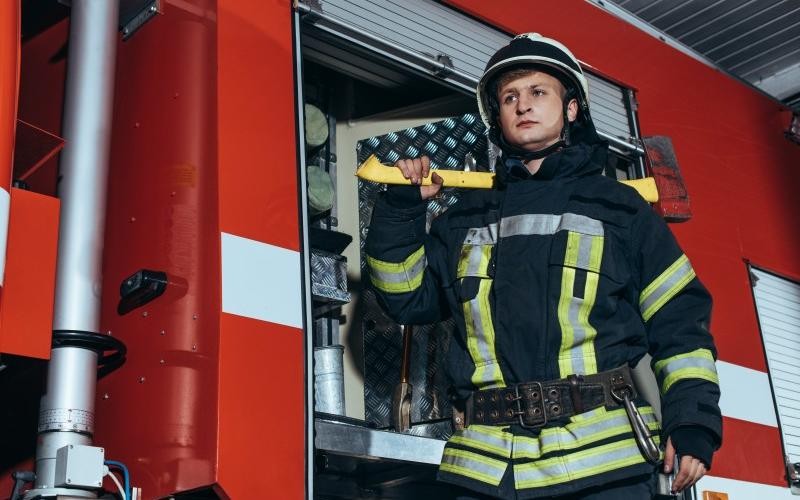
The fabric of a firefighter's turnout gear represents the pinnacle of functional textile engineering, serving as the primary life-saving barrier against extreme thermal threats, direct flames, and hazardous environments. Far more than simple protective clothing, this gear is a sophisticated, multi-layered system where each fabric component is precisely engineered to perform a critical, interdependent function. The overarching goals are uncompromising: to provide superior thermal insulation, resist ignition and burning, maintain durability under harsh physical stress, and mitigate the physiological burden of heat stress on the wearer. Achieving this balance requires a profound synergy between advanced fiber science, fabric construction, and sustainable manufacturing innovation.
The Multi-Layer System: A Synergy of Specialized Fabrics
Modern firefighting apparel operates on a proven, layered principle, with each stratum designed for a specific protective role.
The Outer Shell is the first line of defense, constructed from high-strength, inherently flame-resistant fibers such as Para-aramid (e.g., Kevlar®), Polybenzimidazole (PBI), or their blends. This layer must resist direct flame impingement, extreme heat (up to 600°C+ for short durations), and abrasion from rough surfaces.
Beneath it lies the Moisture Barrier, a critical component often made from a durable laminate (e.g., PTFE or polyurethane membrane) bonded to a flame-resistant substrate. Its dual function is to prevent the penetration of water, bloodborne pathogens, and common chemicals while allowing body moisture vapor to escape—a process known as moisture vapor transmission (MVT).
The innermost Thermal Liner typically consists of a quilted or felted structure made from Meta-aramid (e.g., Nomex®) or other heat-resistant fibers. Its primary role is to trap a layer of still air, providing crucial thermal insulation against conductive and convective heat, and to wick perspiration away from the skin for enhanced comfort.
Key Material Innovations and Performance Benchmarks
The exceptional performance of these fabrics stems from breakthroughs in high-performance fibers. Aramids offer an optimal combination of heat resistance, high tensile strength, and low thermal shrinkage. PBI fiber is renowned for its exceptional thermal stability, char formation, and low smoke emission, making it ideal for outer shells in high-heat scenarios. These materials are engineered to meet rigorous international standards such as NFPA 1971 (Standard on Protective Ensembles for Structural Fire Fighting), which mandates comprehensive tests for thermal protective performance (TPP), total heat loss (THL) for breathability, flame resistance, tear strength, and resistance to water penetration. Continuous innovation focuses on enhancing this protective trifecta: increasing TPP ratings to expand safety margins, improving THL to reduce heat stress, and extending the durable service life of the gear.
The Growing Imperative for Sustainable and High-Performance Solutions
The industry is increasingly addressing the environmental footprint of protective gear without compromising safety. This involves pioneering eco-conscious manufacturing processes, such as developing bio-based or recycled flame-resistant fibers and implementing water-saving dyeing techniques. A significant focus is on creating durable, long-service-life products that reduce waste over time and exploring responsible end-of-life recycling pathways for aramid-based fabrics. The future lies in seamlessly integrating next-generation materials—which may offer enhanced protection or smart capabilities such as integrated sensors—with a foundational commitment to a circular economy model, ensuring that the highest standards of firefighter safety align with planetary sustainability.
For over sixty years, CJTI has established itself as a premier vertically integrated manufacturer, mastering the complete journey from specialized yarn engineering to the production of finished, high-performance fabrics. Our profound expertise across the entire functional textile chain positions us at the forefront of developing advanced, reliable solutions for critical applications, including protective fabrics for lifesaving professions. Rooted in a green and sustainable production model, CJTI is committed to innovating materials that not only meet the most demanding performance standards such as NFPA 1971 but also contribute to a more sustainable future for the industry we serve.
Related News
Read More >-
![What Is an Antistatic Jacket?]()
What Is an Antistatic Jacket?
Learn what an antistatic jacket is, how it works, the materials used, key applications, ESD standards, and how to choose the right jacket for work.
-
![What Is Stainless Steel Yarn Used For?]()
What Is Stainless Steel Yarn Used For?
Discover what stainless steel yarn is used for, from antistatic and EMI shielding fabrics to smart textiles, heating, and protective clothing.
-
![What Is Stainless Steel Yarn?]()
What Is Stainless Steel Yarn?
What is stainless steel yarn? Learn about its conductivity, properties, types, applications, and uses in antistatic, ESD, and functional textiles.
-
![What Are Flame Retardant Textiles?]()
What Are Flame Retardant Textiles?
Learn what flame retardant textiles are, how they work, key fabric types, applications, standards, and how to choose flame-resistant fabrics for protective clothing.
-
![What is Cotton Flame Retardant Fabric?]()
What is Cotton Flame Retardant Fabric?
Explains what cotton flame retardant fabric is, how it works, how it differs from inherent FR materials, where it is used, what standards buyers should consider, and how to select the right fabric for a protective clothing program.
-
![Which is Better, Aramid or Kevlar Fabric?]()
Which is Better, Aramid or Kevlar Fabric?
Compare aramid fabric vs Kevlar fabric, including strength, flame resistance, applications, and key differences to choose the right protective material.
-
![What Is Aramid Fabric?]()
What Is Aramid Fabric?
Learn what aramid fabric is, its key properties, the differences between meta aramid fabric and para aramid fabric, common applications, and how to choose the right flame retardant fabric for industrial protective clothing.
-
![What is Level 5 Cut Resistant Clothing?]()
What is Level 5 Cut Resistant Clothing?