


The Specialized Science of Beekeeping Suits: Engineering Protection and Comfort for Apiarists
2026-01-28 17:02
The modern beekeeping suit represents a critical fusion of agricultural necessity and advanced textile engineering, serving as the primary personal protective equipment (PPE) that enables safe and productive interaction with honeybee colonies. Far from being simple cloth coveralls, a high-performance beekeeping suit is a scientifically designed system that must provide an impenetrable barrier against bee stings while managing the physiological stress of the wearer in often hot and humid working conditions. Its core functional requirements are absolute: to prevent bee stingers from reaching the skin through robust, puncture-resistant materials; to eliminate gaps via smart sealing design; and to maintain wearer coolness and comfort through enhanced breathability. Achieving this delicate balance between maximum security and tolerable microclimate is the hallmark of superior apiary apparel design.
Material Innovation and Barrier Technology: The First Line of Defense
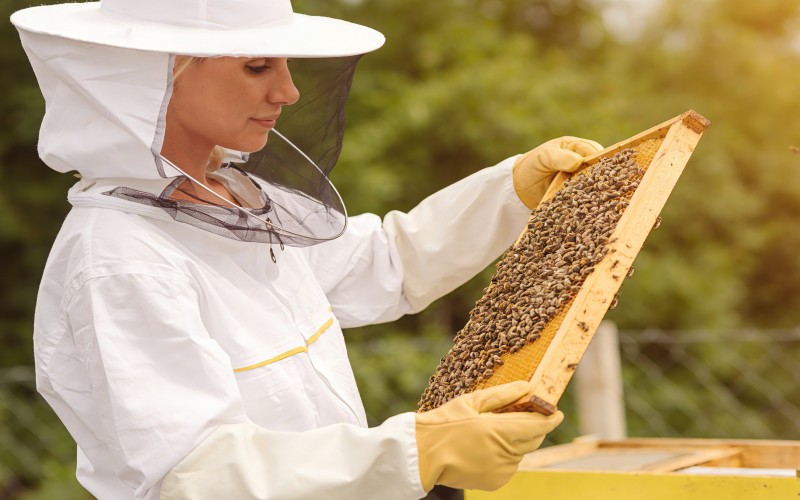
The foundational element of any beekeeping suit is its fabric's ability to resist sting penetration. Historically reliant on heavy, opaque cotton, today's suits utilize advanced materials engineered for lightweight durability. The industry standard involves tightly woven fabrics, typically made from high-density polyester or cotton-polyester blends, where the thread count and weave density are calibrated to prevent a bee's stinger from passing through. A pivotal innovation is the integration of ventilated mesh panels, constructed from monofilament yarns in a stable, grid-like knit or weave. This mesh provides exceptional airflow in key areas like the torso and upper back, while its structure features openings smaller than a bee's stinger, thus maintaining protection. For the highest risk areas, such as the veil covering the face, a fine, black polyester mesh is preferred. The dark color significantly improves visibility for the beekeeper by reducing light glare and contrast, while the material's strength and precise aperture size ensure a clear yet impermeable view.
Ergonomic Design and Integrated Safety Systems
Beyond the fabric itself, the architectural design of the suit is paramount for comprehensive safety. Strategic sealing is employed at all potential entry points: elasticated banding at wrists and ankles, heavy-duty zippers with external protective flaps (or snap-secured velcro), and veils that securely anchor to the jacket collar are non-negotiable features. The veil's construction is particularly crucial, often utilizing a rigid frame or a wide-brimmed hat attachment to keep the mesh away from the face and neck, preventing contact that could lead to a sting through the material. Furthermore, the suit's overall cut must allow for unrestricted mobility—enabling bending, lifting, and reaching—without creating folds or tension points where fabric might press against the skin and become vulnerable. Many professional suits also feature triple-stitched seams and reinforced stress points at the knees and elbows to enhance durability against the rigors of farm work and repeated laundering.
Advancing Sustainability in Protective Apiary Textiles
The evolution of beekeeping suits is increasingly aligned with environmental stewardship. Forward-thinking manufacturers are adopting eco-conscious practices by incorporating recycled materials, such as rPET (recycled polyester), into fabric production without compromising the essential barrier properties. The focus on durable, long-lasting construction directly contributes to sustainability by reducing the frequency of garment replacement and the associated waste. Additionally, processes like solution dyeing—where pigment is infused into the polymer before the fiber is spun—are being leveraged to conserve vast amounts of water and energy compared to conventional dyeing methods. This holistic approach ensures that the protection of the beekeeper is achieved in harmony with the protection of the environment, supporting the vital role apiarists play in our ecosystem.
For over six decades, CJTI has established itself as a premier vertically integrated manufacturer, mastering the complete journey from specialized yarn development to the production of finished, high-performance garments. Our deep, sixty-year expertise across the entire textile chain—from fiber to fabric to final apparel—is directly applied to engineering advanced protective solutions like professional beekeeping suits. Rooted in a steadfast commitment to a green and sustainable production model, CJTI innovates to deliver gear that not only meets the rigorous demands of safety, durability, and comfort for specialized professions but also upholds our responsibility to promote sustainable practices within the textile industry.
Related News
Read More >-
![Cleanroom Clothing vs. Antistatic Clothing: What's the Difference?]()
Cleanroom Clothing vs. Antistatic Clothing: What's the Difference?
Compare cleanroom clothing vs. antistatic clothing, including key differences in fabric, ESD protection, contamination control, standards, and applications.
-
![How to Choose Stainless Steel Yarn for Conductive Textiles?]()
How to Choose Stainless Steel Yarn for Conductive Textiles?
Learn how to choose stainless steel yarn for conductive textiles. Compare fiber content, electrical resistance, yarn count, durability, and testing requirements.
-
![Stainless Steel Yarn vs. Conductive Yarn: What's the Difference?]()
Stainless Steel Yarn vs. Conductive Yarn: What's the Difference?
Compare stainless steel yarn with carbon and silver-coated conductive yarns. Explore differences in conductivity, durability, flexibility, and applications.
-
![How Does an Antistatic Jacket Work?]()
How Does an Antistatic Jacket Work?
Learn how an antistatic jacket works, how conductive yarn and antistatic fabric dissipate static charge, and what affects ESD protection performance.
-
![What Is an Antistatic Jacket?]()
What Is an Antistatic Jacket?
Learn what an antistatic jacket is, how it works, the materials used, key applications, ESD standards, and how to choose the right jacket for work.
-
![What Is Stainless Steel Yarn Used For?]()
What Is Stainless Steel Yarn Used For?
Discover what stainless steel yarn is used for, from antistatic and EMI shielding fabrics to smart textiles, heating, and protective clothing.
-
![What Is Stainless Steel Yarn?]()
What Is Stainless Steel Yarn?
What is stainless steel yarn? Learn about its conductivity, properties, types, applications, and uses in antistatic, ESD, and functional textiles.
-
![What Are Flame Retardant Textiles?]()
What Are Flame Retardant Textiles?
Learn what flame retardant textiles are, how they work, key fabric types, applications, standards, and how to choose flame-resistant fabrics for protective clothing.