




The Critical Role of Anti-Static T/C Fabric in Port Operations: Protecting Workers and Cargo
2026-03-02 14:52
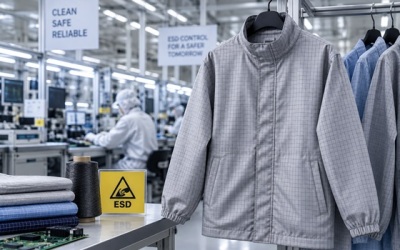
In the demanding environment of port terminals, where workers handle everything from bulk chemicals to containerized electronics, the threat of electrostatic discharge (ESD) represents a silent but significant hazard. For longshoremen and dockworkers operating in these zones, static electricity accumulation poses risks ranging from ignition of flammable vapors to damage of sensitive cargo and disruption of electronic equipment. Anti-static T/C fabric—a specialized blend of polyester and cotton integrated with conductive fibers—has emerged as the engineered solution to mitigate these dangers, providing both worker protection and operational safety in the unique conditions of maritime logistics.
Understanding the T/C Anti-Static Fabric Composition
T/C anti-static fabric typically combines approximately 65% polyester, 34% cotton, and 1% conductive fiber—a precise formulation that balances multiple performance requirements. This specific blend leverages the strength, durability, and wrinkle resistance of polyester with the comfort and breathability of cotton, creating a workwear material suitable for extended shifts in variable port climates. The critical component, however, is the 1% conductive fiber—usually carbon filaments or stainless steel microfibers embedded directly into the yarn structure during spinning.

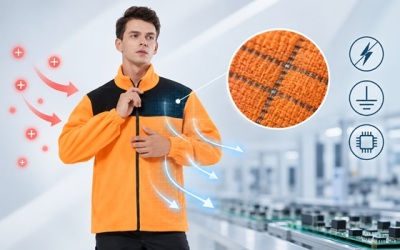
Unlike topical antistatic finishes that wash out after several laundering cycles, these integrated conductive elements create a permanent, uninterrupted network throughout the fabric, capable of safely channeling accumulated static charges away from the worker's body. The conductive fibers are typically arranged in a grid pattern with 5mm to 10mm spacing, ensuring complete coverage while maintaining the fabric's natural drape and comfort characteristics.
The Physics of Static Dissipation in Port Environments
The effectiveness of anti-static T/C fabric relies on two complementary mechanisms: conductive dissipation and corona discharge. When a worker wearing properly grounded anti-static garments moves across synthetic deck surfaces or handles insulating materials, the triboelectric charging effect generates static electricity that would otherwise accumulate on the body. The embedded carbon or metal fibers, engineered to maintain a surface resistivity between 10⁵ and 10⁷ ohms per square, provide a controlled pathway for this charge to dissipate gradually rather than reaching dangerous voltage levels. This specific resistance range is scientifically determined—too conductive (below 10⁴ ohms) risks sudden spark discharge, while too insulative (above 10⁹ ohms) allows hazardous charge buildup exceeding 2,000 volts.
In port settings where volatile atmospheres may exist near fuel handling operations or chemical transfer areas, this controlled dissipation prevents the electrostatic potentials that industry standards identify as ignition risks. Furthermore, the conductive elements enable corona discharge—a phenomenon where concentrated electrical fields around fiber tips ionize surrounding air molecules, allowing static to leak safely into the atmosphere without generating incendiary sparks, even when perfect grounding is not achieved.
Performance Standards and Testing for Port Applications
Anti-static workwear for port operations must meet rigorous international standards that validate its protective capabilities through quantifiable testing protocols. The EN 1149 standard, specifically referenced for anti-static garment requirements across European ports, specifies test methods for measuring surface resistivity and charge decay characteristics under controlled laboratory conditions. Under this standard, fabrics must demonstrate that any induced charge dissipates to below 10% of its initial value within four seconds. Similarly, the ASTM F1506 and NFPA 70E standards govern anti-static performance requirements in North American port facilities, while the GB 12014 standard establishes comparable criteria for Asian markets.
These certifications ensure that fabrics maintain system resistance within the required range even after repeated industrial laundering—a crucial consideration for port workers whose garments endure salt spray, humidity, petroleum exposure, and frequent washing. Third-party testing confirms that quality anti-static fabrics retain their protective properties for 50+ industrial wash cycles when manufactured with high-grade carbon filaments properly embedded in the fiber matrix. For port environments where workers may be exposed to both explosive risks and sensitive electronics cargo, documented compliance with these standards provides verifiable risk mitigation across multiple hazard scenarios.

Application-Specific Considerations for Dockworker Workwear
Port operations present unique environmental and occupational challenges that directly influence anti-static fabric selection and performance requirements. Unlike controlled cleanroom environments or indoor manufacturing facilities, dockworkers require fabrics that balance static protection with breathability, mechanical durability, and comfort in humid coastal conditions where temperatures and humidity fluctuate dramatically. The T/C blend's approximately 35% cotton content provides essential moisture absorption and comfort during physically demanding cargo handling, while the polyester component maintains tear strength exceeding 45 Newtons against abrasion from rough container surfaces and rigging equipment. However, for areas requiring strict particulate control—such as handling sensitive electronic containers or working near food-grade cargo—higher polyester content may be specified to minimize lint generation and fiber shedding.
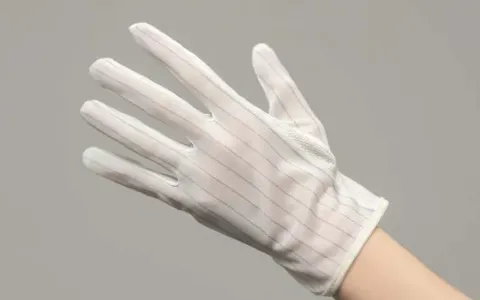
The visible conductive grid pattern incorporated into the fabric serves both functional and quality assurance purposes, allowing visual verification that the protective network remains intact throughout the garment's service life and providing quality control inspectors with immediate confirmation of proper construction. Additionally, port-specific considerations include resistance to saltwater degradation, UV stability for outdoor exposure, and anti-microbial treatments for hygiene during extended wear periods in warm climates—all factors that influence fabric selection beyond basic anti-static performance.
Material Innovations for Port Environment Durability
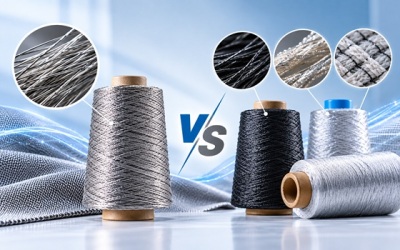
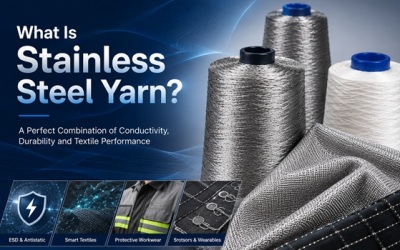
The demanding conditions of port operations require anti-static fabrics engineered specifically for coastal and industrial exposure. Advanced T/C anti-static materials now incorporate specialized fiber technologies that address the unique degradation mechanisms present in marine environments. Stainless steel microfibers, with inherent corrosion resistance, are increasingly specified over carbon-based alternatives for ports handling corrosive bulk materials or operating in high-salinity conditions. These metal fibers maintain conductivity indefinitely without the oxidation degradation that can affect carbon-based systems over decades of use.
Furthermore, modern anti-static fabrics integrate soil-release finishes that prevent the accumulation of petroleum residues, chemical dust, and organic matter that could insulate conductive pathways or mask contamination. For ports in tropical regions, moisture management enhancements are engineered directly into the fabric structure, ensuring that the combination of high humidity and physical exertion does not compromise either comfort or static dissipation performance. These innovations ensure that anti-static workwear maintains its protective function throughout its service life, even under the extreme conditions characteristic of global port operations.
For over six decades, CJTI has established itself as a premier vertically integrated manufacturer, mastering the complete journey from specialized yarn engineering to the production of finished, high-performance functional fabrics. With deep expertise in anti-static technologies and precision polyester-cotton blending, we deliver T/C anti-static solutions that meet the rigorous demands of port operations worldwide. Rooted in a steadfast commitment to a green and sustainable production model, CJTI innovates to provide workwear fabrics that protect maritime workers while advancing environmental responsibility through durable, long-life materials and eco-conscious manufacturing processes.
Related News
Read More >-
![Stainless Steel Yarn vs. Conductive Yarn: What's the Difference?]()
Stainless Steel Yarn vs. Conductive Yarn: What's the Difference?
Compare stainless steel yarn with carbon and silver-coated conductive yarns. Explore differences in conductivity, durability, flexibility, and applications.
-
![How Does an Antistatic Jacket Work?]()
How Does an Antistatic Jacket Work?
Learn how an antistatic jacket works, how conductive yarn and antistatic fabric dissipate static charge, and what affects ESD protection performance.
-
![What Is an Antistatic Jacket?]()
What Is an Antistatic Jacket?
Learn what an antistatic jacket is, how it works, the materials used, key applications, ESD standards, and how to choose the right jacket for work.
-
![What Is Stainless Steel Yarn Used For?]()
What Is Stainless Steel Yarn Used For?
Discover what stainless steel yarn is used for, from antistatic and EMI shielding fabrics to smart textiles, heating, and protective clothing.
-
![What Is Stainless Steel Yarn?]()
What Is Stainless Steel Yarn?
What is stainless steel yarn? Learn about its conductivity, properties, types, applications, and uses in antistatic, ESD, and functional textiles.
-
![What Are Flame Retardant Textiles?]()
What Are Flame Retardant Textiles?
Learn what flame retardant textiles are, how they work, key fabric types, applications, standards, and how to choose flame-resistant fabrics for protective clothing.
-
![What is Cotton Flame Retardant Fabric?]()
What is Cotton Flame Retardant Fabric?
Explains what cotton flame retardant fabric is, how it works, how it differs from inherent FR materials, where it is used, what standards buyers should consider, and how to select the right fabric for a protective clothing program.
-
![Which is Better, Aramid or Kevlar Fabric?]()
Which is Better, Aramid or Kevlar Fabric?
Compare aramid fabric vs Kevlar fabric, including strength, flame resistance, applications, and key differences to choose the right protective material.