



Exploring the Latest Innovations in Functional Fabrics
2026-06-12 16:50
The textile industry is undergoing a remarkable transformation as innovation, sustainability, and advanced material science reshape the way fabrics are designed and used. Today's functional fabrics are no longer limited to basic moisture management or weather protection. Instead, they are engineered to provide multiple performance benefits, including thermal regulation, flame resistance, antimicrobial protection, conductivity, and even real-time data monitoring.
As industries increasingly prioritize worker safety, comfort, and sustainability, the global demand for advanced functional fabrics continues to grow. From industrial protective clothing and healthcare textiles to smart wearables and high-performance sportswear, innovative fabric technologies are redefining what textiles can achieve.
In this article, we explore the latest innovations driving the future of functional fabrics in 2026 and beyond.
What Are Functional Fabrics and Why Are They Important?
How Functional Fabrics Differ from Conventional Textiles
Traditional textiles are primarily designed to provide coverage, comfort, and aesthetics. In contrast, functional fabrics are engineered to deliver specific performance characteristics that address practical challenges in various environments.
A modern functional textile can provide a wide range of advanced features, including flame resistance for enhanced workplace safety, anti-static protection for sensitive environments, cut resistance for mechanical hazard protection, antibacterial performance for improved hygiene, moisture management for greater comfort, UV protection for outdoor applications, and temperature regulation to help users adapt to changing environmental conditions. These capabilities make functional fabrics an essential component in industries where performance, safety, and durability are critical.
Growing Demand Across Industrial and Consumer Markets
The demand for functional fabrics is expanding rapidly across both industrial and consumer sectors.
Industrial users increasingly require specialized materials such as flame retardant fabric, antistatic fabric, and cut resistant fabric to comply with stricter safety regulations. At the same time, consumers are seeking apparel that offers enhanced comfort, health benefits, and environmental responsibility.
This convergence of safety, performance, and sustainability is accelerating innovation throughout the textile industry.
Key Innovations Transforming Functional Fabrics in 2026
Smart Fabrics and Sensor-Integrated Textiles
One of the most exciting developments in functional fabrics is the integration of smart technologies directly into textile structures.
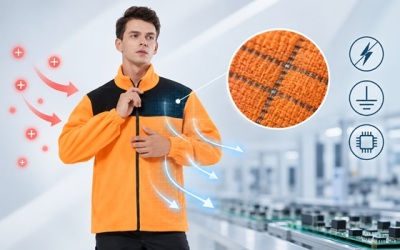
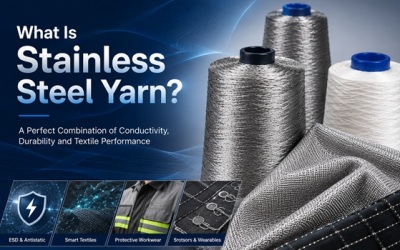
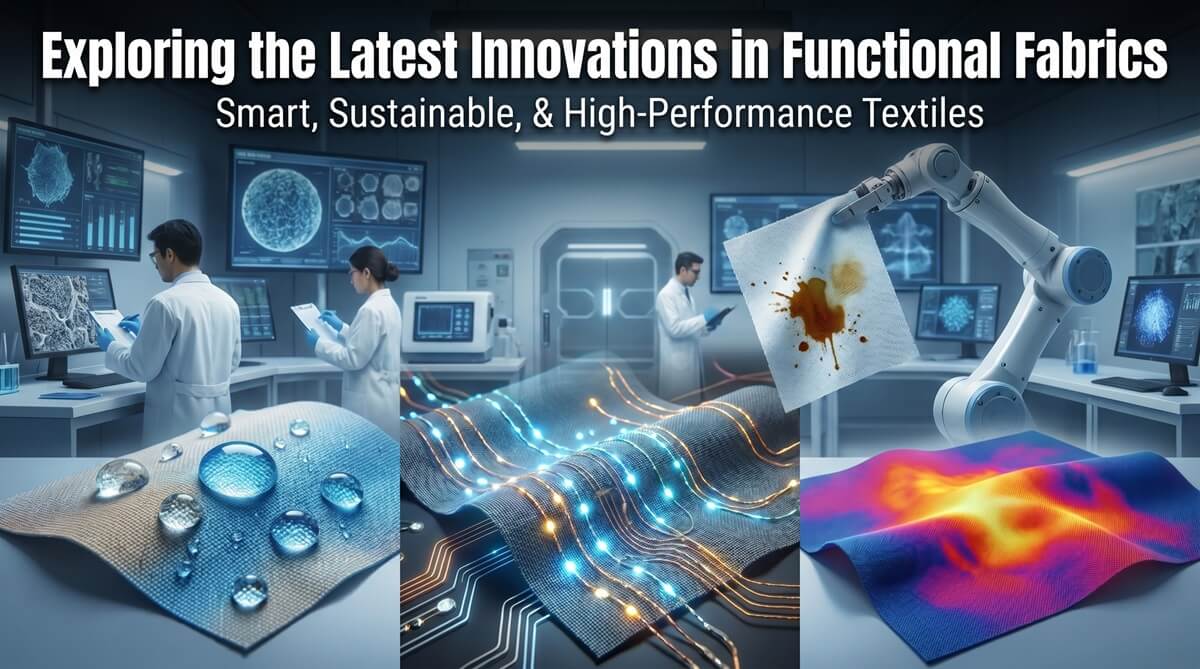
Smart fabrics can incorporate sensors, conductive yarns, and embedded electronic components that continuously monitor a variety of conditions. Depending on the application, these advanced textiles may track body temperature, heart rate, movement patterns, and even environmental hazards such as excessive heat, toxic gases, or unsafe working conditions. By collecting and transmitting real-time data, smart functional fabrics are helping improve worker safety, health monitoring, and overall operational efficiency across multiple industries.
As wearable technology continues to evolve, smart textiles are expected to become a major segment of the global functional textile market.
Advanced Thermal Regulation Technologies
Temperature management remains one of the fastest-growing areas of textile innovation.
Modern functional fabrics are increasingly designed to help users maintain thermal comfort in both hot and cold environments. Advanced technologies include:
Phase Change Materials (PCM) that absorb and release heat as temperatures fluctuate.
Cooling yarns that enhance heat dissipation.
Far-infrared fibers that help retain body warmth.
Adaptive textile structures that respond to environmental conditions.
These innovations are particularly valuable for outdoor workers, athletes, military personnel, and industrial employees exposed to extreme temperatures.

High-Performance Protective Fabrics
Protective textiles continue to represent one of the most important segments of the functional fabrics industry.
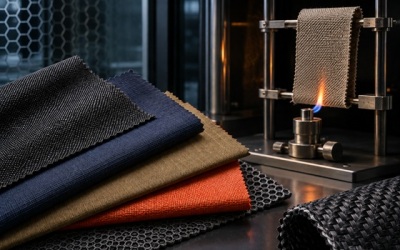
Recent innovations have significantly improved the performance of specialized materials such as flame retardant fabric, antistatic fabric, and cut resistant fabric. Modern protective textiles now provide higher levels of safety while improving comfort, flexibility, and durability.
For example, next-generation flame retardant fabric solutions are becoming lighter and more breathable without compromising thermal protection. Similarly, advanced cut resistant fabric technologies now utilize engineered fibers that provide exceptional protection while maintaining wearer comfort.
Manufacturers are also developing multi-hazard protective materials that combine flame resistance, anti-static performance, chemical resistance, and mechanical protection within a single fabric system.
Antibacterial and Health-Protective Fabrics
Health-focused textile innovation has gained significant momentum in recent years.
Advanced functional fabrics are increasingly being engineered with antimicrobial and antiviral properties to help reduce bacterial growth and improve hygiene. These technologies are especially important in healthcare environments, food processing facilities, hospitality industries, and consumer apparel.
Popular approaches include:
Silver ion treatments
Copper-based technologies
Bio-based antimicrobial agents
Durable antimicrobial coatings
As public awareness of hygiene and health continues to grow, antibacterial textiles are expected to remain a major innovation area for functional fabrics.
Conductive and E-Textile Innovations
Conductive textiles represent another rapidly growing category within the functional fabrics market.
By integrating conductive fibers and yarns into textile structures, manufacturers can create fabrics capable of transmitting electrical signals while maintaining flexibility and comfort.
Applications include wearable electronics, smart uniforms, medical monitoring equipment, flexible sensors, and static control systems.
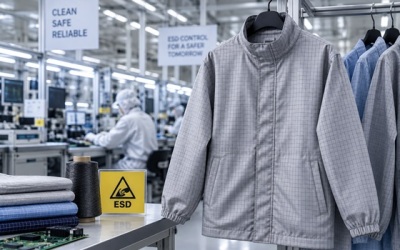
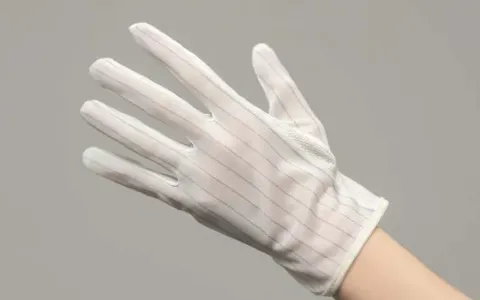
Conductive technologies are also enhancing the performance of antistatic fabric solutions used in electronics manufacturing, cleanrooms, and industrial environments where electrostatic discharge poses significant risks.
Sustainability Is Reshaping Functional Fabric Development
Sustainability has become one of the most influential forces shaping the future of functional fabrics.
Manufacturers are increasingly investing in environmentally responsible solutions that reduce resource consumption while maintaining high performance standards.
Key sustainability trends include:
| Innovation Area | Sustainability Benefit |
| Recycled fibers | Reduces waste and resource consumption |
| Bio-based materials | Lowers dependence on fossil fuels |
| Water-saving dyeing processes | Reduces environmental impact |
| Durable textile systems | Extends product lifespan |
| Circular textile programs | Supports recycling and reuse |
The development of sustainable fabrics is no longer viewed as optional. Many brands and industrial buyers now actively seek environmentally responsible textile solutions that align with corporate sustainability goals.
As a result, the future of functional fabrics is increasingly tied to innovations that balance performance with environmental responsibility.
Emerging Applications of Functional Fabrics
Industrial Protective Clothing
Industrial safety remains one of the largest application areas for functional fabrics. Protective garments made from flame retardant fabric, antistatic fabric, and cut resistant fabric help safeguard workers in industries such as oil and gas, petrochemical processing, electrical utilities, welding and fabrication, and manufacturing. Modern workwear fabric solutions are designed to provide not only protection, but also improved comfort, durability, flexibility, and multi-hazard performance for demanding industrial environments.
Healthcare and Medical Textiles
Healthcare providers increasingly rely on functional fabrics to improve patient safety and infection control. These textiles are used in surgical gowns, medical uniforms, protective masks, bedding systems, and rehabilitation products. Antimicrobial treatments and advanced moisture-management technologies help reduce contamination risks while improving comfort for both patients and healthcare professionals.
Sportswear and Outdoor Apparel
The sportswear industry continues to drive innovation in functional fabrics. Athletes and outdoor enthusiasts seek apparel that provides temperature regulation, moisture control, UV protection, odor resistance, and lightweight performance. Many textile technologies originally developed for sportswear eventually influence industrial protective clothing, military gear, and everyday performance apparel.
Military and Emergency Response Equipment
Military personnel and emergency responders operate in some of the world's most demanding environments. They require advanced functional fabrics capable of delivering flame resistance, thermal protection, durability, lightweight mobility, and multi-hazard performance. Modern military textiles increasingly incorporate smart technologies, enhanced protective features, and ergonomic designs to improve both safety and operational effectiveness.
Smart Home and Interior Textiles
The concept of smart textiles is expanding beyond apparel into home and interior applications. Emerging products include temperature-regulating bedding, antimicrobial upholstery, conductive furniture fabrics, and air-purifying textile surfaces. These innovations demonstrate the growing versatility of functional fabrics across residential, commercial, healthcare, and transportation markets.
Challenges Facing Functional Fabric Innovation
Despite significant advancements, several challenges remain in the development of functional fabrics.
One major challenge is balancing performance with comfort. Highly protective materials must remain lightweight and wearable for extended periods.
Cost is another consideration. Advanced fibers, coatings, and manufacturing technologies often increase production expenses.
Durability also remains critical. Many buyers expect functional fabrics to maintain performance after repeated washing, exposure to harsh environments, and long-term use.
Finally, manufacturers must navigate increasingly complex global regulations and testing standards to ensure compliance across different markets. Successfully addressing these challenges will be essential for continued innovation and market growth.
Future Trends in Functional Fabrics
AI-Assisted Textile Development
Artificial intelligence is beginning to transform textile research and development.
AI-powered systems can analyze vast amounts of material data, helping researchers identify new fiber combinations, optimize fabric structures, and accelerate product development.
This technology is expected to significantly reduce innovation timelines for future functional fabrics.
Self-Adaptive and Responsive Fabrics
Researchers are developing textiles capable of responding dynamically to environmental conditions.
Future functional fabrics may automatically adjust:
Breathability
Thermal insulation
Moisture transport
Compression levels
These adaptive systems could greatly enhance comfort and performance across various applications.
Multi-Functional Fabric Systems
Rather than delivering a single benefit, future functional fabrics will increasingly combine multiple performance features within one textile.
Examples include fabrics that simultaneously provide:
Flame resistance
Anti-static protection
Cut resistance
Antimicrobial performance
Thermal regulation
Such integrated solutions will help simplify garment design while improving user protection.
Circular and Sustainable Textile Solutions
The transition toward circular manufacturing models is expected to accelerate.
Future sustainable fabrics will focus on:
Recyclability
Renewable raw materials
Reduced carbon footprints
Longer service life
These developments will help create a more environmentally responsible textile industry while maintaining the advanced performance expected from modern functional fabrics.
Conclusion
The future of functional fabrics is being shaped by remarkable advances in smart textiles, protective materials, sustainability, and digital technologies. From flame retardant fabric and antistatic fabric solutions to intelligent wearables and adaptive textile systems, innovation is expanding the capabilities of modern textiles at an unprecedented pace.
As industries continue to demand higher levels of safety, comfort, durability, and environmental responsibility, functional fabrics will play an increasingly important role across industrial, medical, military, sportswear, and consumer applications. Companies that embrace these innovations will be better positioned to meet the evolving needs of global markets in 2026 and beyond.
FAQ About Functional Fabrics
What are functional fabrics?
Functional fabrics are textiles engineered to provide specific performance benefits beyond traditional clothing functions, such as flame resistance, anti-static protection, moisture management, antibacterial properties, and thermal regulation.
What industries use functional fabrics?
Industries including oil and gas, healthcare, manufacturing, military, construction, sportswear, electronics, and emergency response all rely on advanced functional fabrics.
What is the difference between smart fabrics and functional fabrics?
Smart fabrics are a specialized category of functional fabrics that incorporate electronic components, sensors, or interactive technologies. Not all functional fabrics are smart fabrics.
Are functional fabrics environmentally friendly?
Many modern functional fabrics are developed using recycled materials, eco-friendly manufacturing processes, and circular design principles, making them increasingly sustainable.
What are the most innovative functional fabrics today?
Some of the most innovative functional fabrics include smart sensor-integrated textiles, advanced flame retardant fabric, next-generation cut resistant fabric, adaptive thermal-regulation materials, conductive textiles, and emerging sustainable fabrics designed for circular manufacturing systems
Related News
Read More >-
![Cleanroom Clothing vs. Antistatic Clothing: What's the Difference?]()
Cleanroom Clothing vs. Antistatic Clothing: What's the Difference?
Compare cleanroom clothing vs. antistatic clothing, including key differences in fabric, ESD protection, contamination control, standards, and applications.
-
![How to Choose Stainless Steel Yarn for Conductive Textiles?]()
How to Choose Stainless Steel Yarn for Conductive Textiles?
Learn how to choose stainless steel yarn for conductive textiles. Compare fiber content, electrical resistance, yarn count, durability, and testing requirements.
-
![Stainless Steel Yarn vs. Conductive Yarn: What's the Difference?]()
Stainless Steel Yarn vs. Conductive Yarn: What's the Difference?
Compare stainless steel yarn with carbon and silver-coated conductive yarns. Explore differences in conductivity, durability, flexibility, and applications.
-
![How Does an Antistatic Jacket Work?]()
How Does an Antistatic Jacket Work?
Learn how an antistatic jacket works, how conductive yarn and antistatic fabric dissipate static charge, and what affects ESD protection performance.
-
![What Is an Antistatic Jacket?]()
What Is an Antistatic Jacket?
Learn what an antistatic jacket is, how it works, the materials used, key applications, ESD standards, and how to choose the right jacket for work.
-
![What Is Stainless Steel Yarn Used For?]()
What Is Stainless Steel Yarn Used For?
Discover what stainless steel yarn is used for, from antistatic and EMI shielding fabrics to smart textiles, heating, and protective clothing.
-
![What Is Stainless Steel Yarn?]()
What Is Stainless Steel Yarn?
What is stainless steel yarn? Learn about its conductivity, properties, types, applications, and uses in antistatic, ESD, and functional textiles.
-
![What Are Flame Retardant Textiles?]()
What Are Flame Retardant Textiles?
Learn what flame retardant textiles are, how they work, key fabric types, applications, standards, and how to choose flame-resistant fabrics for protective clothing.