



What Are Flame Retardant Textiles?
2026-08-28 14:30
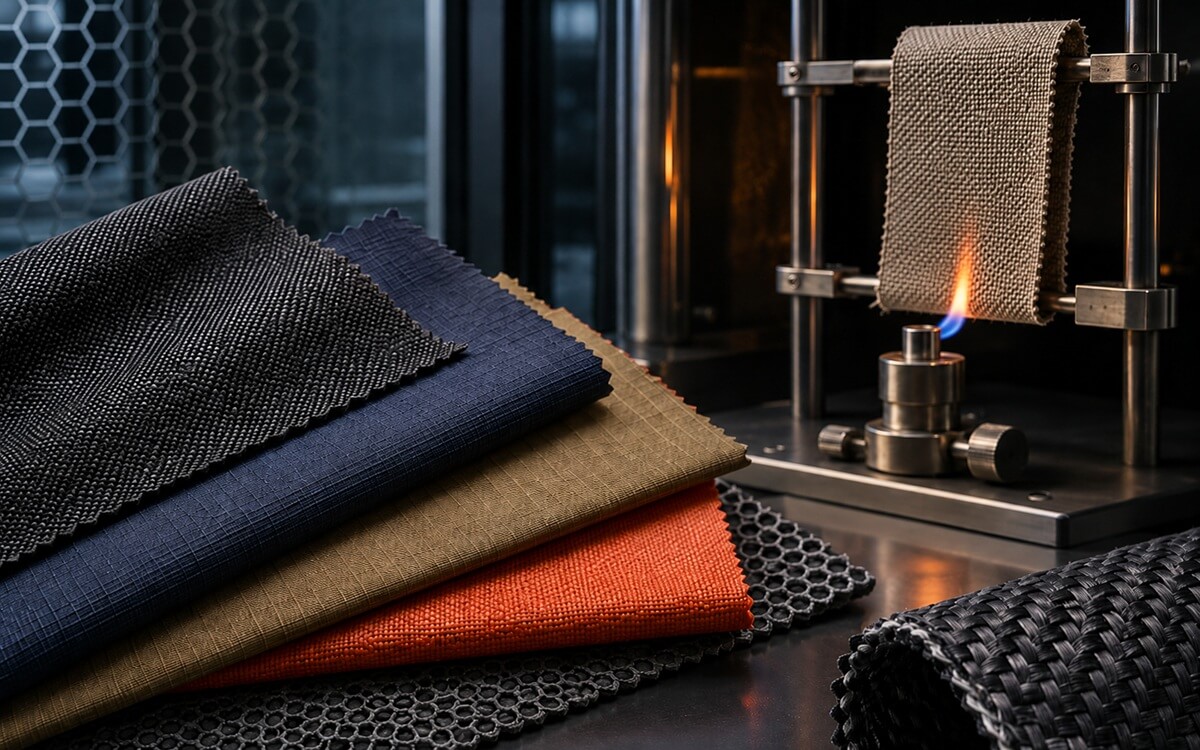
Flame retardant textiles are specially engineered textile materials designed to reduce ignition, slow flame spread, limit continued burning, or self-extinguish after an ignition source is removed. They are widely used wherever ordinary textiles could increase the risk of burn injury or contribute to fire propagation, including industrial workwear, firefighting equipment, electrical protective clothing, transportation interiors, military uniforms, upholstery, and technical textiles.
Unlike ordinary fabrics, flame retardant textiles are developed through carefully selected fibers, yarns, fabric constructions, chemical treatments, or combinations of these technologies. Depending on the application, their protective performance may be created through a durable flame-retardant finish or built directly into the chemical structure of the fiber.
Understanding how these textiles work is therefore essential for anyone sourcing protective fabrics, workwear, uniforms, or technical textile materials.
What Are Flame Retardant Textiles?
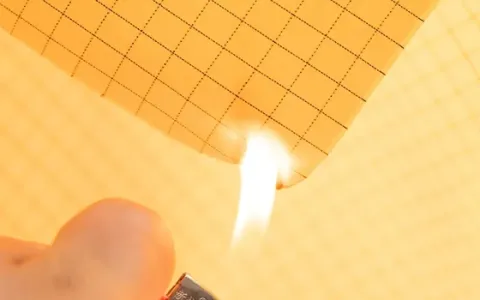
Flame retardant textiles are fabrics, fibers, yarns, or finished textile structures engineered to behave differently from ordinary combustible materials when exposed to flame or high heat.
Depending on the textile and the required safety standard, they may be designed to:
resist ignition;
reduce flame spread;
self-extinguish after the flame source is removed;
reduce afterflame time;
reduce afterglow;
promote protective char formation;
limit heat transfer;
reduce molten dripping;
maintain structural integrity during thermal exposure.
The phrase flame retardant textiles covers a broad family of materials rather than one specific fabric.
They can include treated cotton fabrics, flame-resistant polyester, modacrylic blends, aramid fabrics, FR viscose blends, flame-retardant nylon, and many other engineered textile systems.
In practical sourcing, buyers may also encounter terms such as flame resistant textiles, flame retardant fabric, fire-resistant textile, FR textile, and heat-resistant protective fabric.
These terms are sometimes used interchangeably in commercial discussions, although their technical meanings can vary depending on the relevant standard and application.
The most important question is therefore not simply whether a material is called flame retardant. Buyers should determine what hazard it is designed for and what testing verifies its performance.
How Do Flame Retardant Textiles Work?
There is no single flame-retardant mechanism.
Different technologies interfere with combustion in different ways.
A fire generally requires three elements:
heat;
fuel;
oxygen.
Flame-retardant systems can disrupt one or more parts of this process.
Promoting Char Formation
One common mechanism encourages the textile to form a carbonized char layer.
This char can act as a protective barrier between the underlying material and the heat source.
It may reduce:
combustible gas formation;
oxygen transfer;
heat transfer;
further textile decomposition.
This mechanism is particularly important in many cellulose-based FR treatments.
Reducing Combustible Gas Formation
When polymers decompose under heat, they can generate volatile combustible compounds.
Certain flame-retardant treatments change the decomposition pathway so that fewer flammable gases are created.
Gas-Phase Flame Inhibition
Some flame-retardant systems interfere chemically with combustion reactions occurring in the flame zone.
Creating Protective Coatings
Advanced textile coatings can create a barrier when exposed to heat.
Intumescent coatings, for example, expand under thermal exposure and form an insulating char layer.
Research published in 2026 demonstrated a halogen-free intumescent coating for polyester that maintained self-extinguishing behavior even after 50 washing cycles, although the tested classification changed after repeated laundering.
This illustrates an important trend in modern FR development: protection alone is not sufficient. Durability after repeated use and laundering is becoming increasingly important.
What Is the Difference Between Flame Retardant and Flame Resistant Textiles?
The terms are frequently confused.
Flame resistant textiles generally refer to materials capable of resisting ignition and limiting flame propagation according to specific test criteria.
Flame retardant often describes the technology, chemical treatment, or process used to reduce flammability.
However, commercial textile suppliers frequently use both terms to describe similar protective fabrics. For industrial buyers, terminology should therefore never replace technical documentation.
Instead of asking only:
"Is this fabric flame resistant?"
A better sourcing specification would ask:
What standard does the fabric meet?
What testing method was used?
Was it tested before or after laundering?
How many wash cycles were completed?
What was the fabric weight and composition?
What garment application is the test intended for?
This approach provides much more useful information than relying on the words "FR" alone.

The Two Main Types of Flame Retardant Textiles
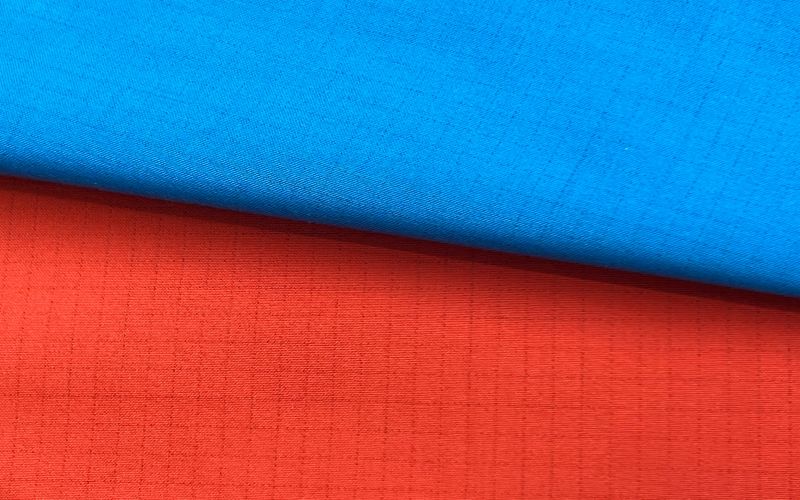
Flame retardant textiles can generally be divided into two major categories:
treated flame-retardant fabrics;
inherently flame-resistant fabrics.
Understanding this distinction is important when comparing durability, cost, comfort, and protection.
Treated Flame Retardant Fabric
A treated flame retardant fabric is produced from fibers that are not naturally flame resistant but are chemically modified during textile finishing.
Cotton is one of the most common examples.
Untreated cotton burns readily, but durable FR chemistry can significantly change how the fabric behaves when exposed to flame.
Modern treatments may encourage char formation and reduce continued burning.
Advantages of treated fabrics can include:
comfortable hand feel;
relatively competitive cost;
good moisture absorption;
wide range of fabric weights;
many available colors;
good suitability for industrial uniforms.
The performance of treated fabric depends heavily on:
finishing technology;
chemical formulation;
curing process;
quality control;
laundering conditions.
That is why wash durability is a major consideration when sourcing treated FR textiles.
Inherently Flame Retardant Fabric
An inherently flame retardant fabric derives its flame-resistant characteristics primarily from the chemical structure of the fiber itself rather than from a surface treatment applied after fabric production.
Examples can include materials containing:
meta-aramid;
para-aramid;
modacrylic;
polybenzimidazole;
certain engineered FR polyester or polyamide fibers.
Because the protective characteristics are built into the fiber, they cannot simply be washed away like an improperly bonded surface finish.
This does not mean every inherent material provides the same level of protection.
Fabric construction, weight, fiber blend, garment design, and test standard still strongly influence actual performance.
The growing development of inherently flame-retardant polymer systems remains an important research direction. Recent studies, for example, describe advances in intrinsically flame-retardant polyamides using phosphorus-, silicon-, and metal-containing structures to improve thermal stability and char formation while preserving useful mechanical properties.
Treated vs. Inherently Flame Retardant Fabric
Neither system is automatically better.
The correct choice depends on the application.
Treated cotton may be ideal for general industrial workwear where comfort and cost are important.
An inherently flame retardant fabric may be preferred in more demanding environments requiring:
higher thermal stability;
reduced fabric weight;
permanent inherent FR properties;
advanced arc protection;
high-performance multi-layer systems.
A professional buyer should therefore compare total performance rather than simply comparing fiber names.
What Fibers Are Used in Flame Retardant Textiles?
The textile industry uses several different fiber systems.
FR-Treated Cotton
Cotton is popular because of its:
softness;
breathability;
moisture absorption;
familiar workwear feel.
After durable treatment, cotton can be used for many industrial FR garments.
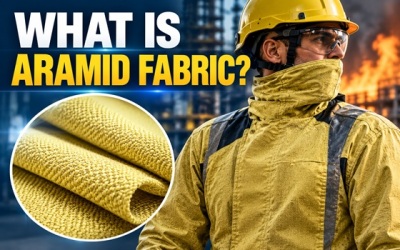
Aramid Fibers
Meta-aramid offers excellent thermal stability and inherent flame resistance.
Para-aramid provides exceptional mechanical strength and can be incorporated into blends to improve tear resistance and durability.
Aramid fabrics are widely used in:
firefighting;
electrical PPE;
military applications;
industrial heat protection;
racing apparel.
Modacrylic
Modacrylic fibers are inherently flame resistant and often blended with cotton, viscose, or other fibers.
They can offer a useful combination of:
FR performance;
softness;
comfort;
reduced fabric weight.
FR Viscose
Flame-resistant viscose can improve moisture absorption and comfort in protective fabric blends.
Flame-Retardant Polyester and Polyamide
Synthetic fibers can also be engineered for improved flame resistance.
Current research is exploring modified polymers, surface coatings, nanotechnology, phosphorus-based systems, and other approaches to improve their fire performance.
What Is Fire Retardant Yarn?
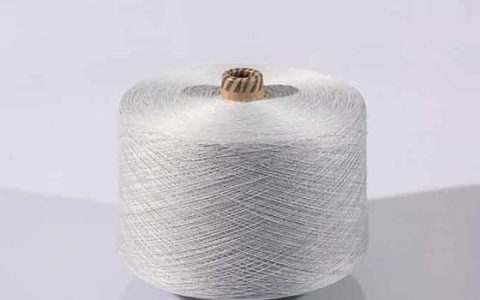
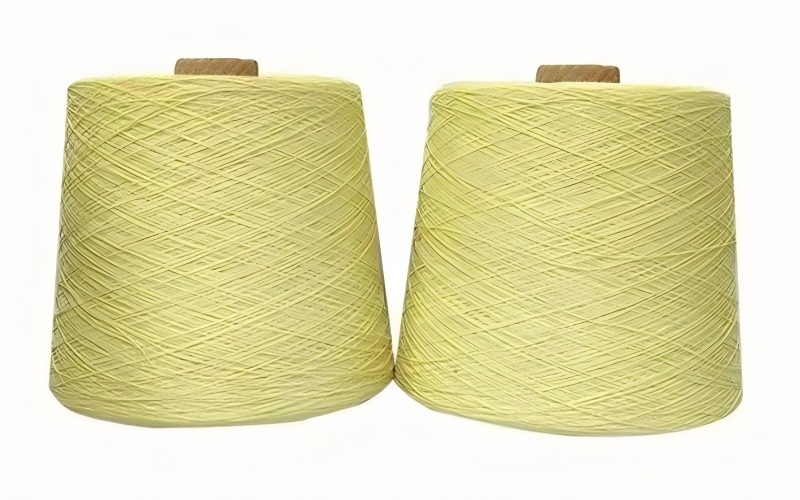
Fire retardant yarn is yarn engineered to provide reduced flammability before it is woven, knitted, or otherwise converted into a finished textile.
The flame-resistant property may come from:
inherently FR fibers;
flame-retardant additives integrated during fiber production;
treated yarn;
blended yarn containing multiple functional fibers.
A fire retardant yarn can be engineered according to the requirements of the finished fabric.
For example, a manufacturer might blend fibers to achieve a balance between:
flame resistance;
mechanical strength;
softness;
moisture control;
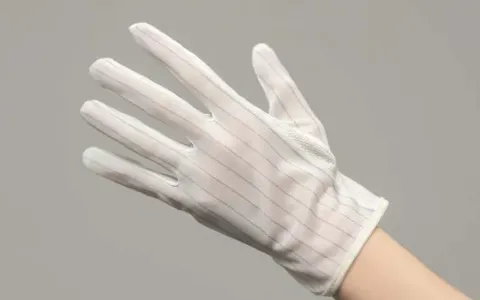
antistatic properties;
abrasion resistance.
Yarn engineering is increasingly important because many modern protective materials depend on multi-fiber systems rather than one single fiber type.
A fabric may combine several fibers, each contributing a different function.
Where Are Flame Retardant Textiles Used?
Oil and Gas
Oilfields, refineries, pipelines, petrochemical plants, and processing facilities may expose workers to flash-fire hazards.
Common products include:
FR coveralls;
jackets;
shirts;
trousers.
Electrical Utilities
Electrical workers may require flame-resistant and arc-rated garments.
Arc protection is a specific performance category, so buyers should not assume that every FR textile automatically qualifies as arc-rated.
Welding and Metal Processing
Welding can expose workers to:
sparks;
radiant heat;
molten droplets;
direct flame.
Fabric selection depends on the specific welding or metalworking process.
Firefighting
Firefighter clothing typically uses multi-layer protective systems combining:
thermal protection;
flame resistance;
moisture barriers;
mechanical durability.
Military and Defense
Military clothing may require combinations of:
FR properties;
durability;
camouflage performance;
moisture management;
chemical protection.
The move toward multifunctional protective textiles continues to accelerate. A 2026 AFFOA program, for example, specifically sought textile systems combining chemical protection with durability, flexibility, manufacturability, and wearer comfort—illustrating the broader industry move toward protection against multiple hazards rather than single-function materials.
Transportation
Flame retardant textiles are also used in:
aircraft interiors;
railway seating;
automotive interiors;
marine applications.
Home and Contract Furnishings
Certain markets require flame-retardant performance for:
curtains;
upholstery;
mattresses;
wall coverings;
public-building textiles.
What Standards Apply to Flame Retardant Textiles?
There is no universal FR standard.
Standards vary according to end use.
For protective clothing, commonly referenced standards can include:
ISO 11612
Used for protective clothing against heat and flame.
ISO 11611
Applicable to protective clothing used in welding and allied processes.
NFPA 2112
Used for flame-resistant garments designed for industrial personnel exposed to short-duration thermal fire hazards.
ASTM F1506
Used for flame-resistant and arc-rated textile materials intended for workers exposed to electrical arc hazards.
IEC 61482
Associated with protective clothing against electric arc thermal hazards.
Different markets may also require additional standards.
A fabric that passes one flame test should never automatically be considered suitable for every protective application.
Latest Trends in Flame Retardant Textiles
The protective textile market is evolving rapidly.
Several trends are particularly important in 2026.
1. Lightweight Flame Protection
Workers increasingly expect protective clothing that can be worn comfortably throughout long shifts.
This is encouraging development of:
lightweight fiber blends;
thinner protective layers;
improved air permeability;
moisture-wicking textiles;
ergonomic garment constructions.
The challenge is maintaining protection while reducing weight.
2. Multi-Hazard Protective Fabrics
Modern workplaces rarely contain one hazard only.
A single garment may need to provide:
flame resistance;
arc protection;
antistatic performance;
chemical protection;
high visibility;
mechanical durability.
This is pushing textile development toward multifunctional materials rather than single-purpose fabrics.
3. Sustainable Flame-Retardant Chemistry
Environmental impact is becoming increasingly important in textile finishing.
Researchers are actively exploring:
bio-based flame retardants;
phosphorus-based systems;
halogen-free systems;
waterborne coatings;
renewable raw materials;
waste-derived materials.
Research into bio-sourced flame retardants has expanded considerably, including systems based on proteins, nucleic acids, lignin, phytic acid, and other bio-derived compounds.
A 2025 study also demonstrated an eco-oriented phosphorus-protein hybrid coating applied to cotton fabric, reflecting growing research interest in more sustainable FR treatments.
4. Better Protection With Improved Comfort
Comfort has become a major design criterion.
Next-generation FR garments increasingly aim to provide:
moisture management;
stretch;
softness;
breathability;
reduced thermal burden.
This is particularly important for workers wearing protective clothing throughout an entire shift.
5. Multifunctional Surface Engineering
Advanced coatings can add several functions to one textile.
Research into post-processing technology is investigating combinations such as flame resistance and hydrophobicity, illustrating the move toward fabrics offering several performance characteristics simultaneously.
6. Circularity and End-of-Life Management
Protective textiles have historically been difficult to recycle because they often contain complex blends, coatings, membranes, and multilayer structures.
Circularity is now receiving more attention.
Recent research has examined fiber-to-fiber recycling possibilities for used firefighting protective clothing, highlighting the growing importance of lifecycle design and material recovery in safety textiles.
Frequently Asked Questions About Flame Retardant Textiles
Are Flame Retardant Textiles Fireproof?
Usually, no.
"Fireproof" can imply that a material cannot burn under any realistic condition, which is generally not an appropriate description for protective clothing.
Flame retardant textiles are designed to reduce ignition or burning according to defined test conditions.
Do Flame Retardant Fabrics Lose Their Protection?
Some treated fabrics can lose performance if the finish is not sufficiently durable or if garments are washed incorrectly.
High-quality durable treatments are designed to retain required FR performance through defined laundering cycles.
An inherently flame retardant fabric, by contrast, derives its basic FR characteristics from the fiber itself.
Are All Flame Resistant Textiles Arc Rated?
No.
Flame resistant textiles and arc-rated textiles are related but not identical.
Arc-rated materials must undergo specific electric-arc testing.
A textile should not be considered suitable for arc-flash PPE unless appropriate arc performance has been demonstrated.
What Is the Best Fire Resistant Fabric for Clothing?
There is no single best fire resistant fabric for clothing.
The appropriate material depends on:
hazard type;
required certification;
climate;
garment design;
protection level;
expected lifetime;
budget.
Treated cotton may be highly suitable for one workplace, while an aramid or modacrylic blend may be better for another.
What Is the Difference Between FR Fabric and FR Yarn?
Fire retardant yarn is the yarn used to create a textile.
Flame retardant fabric is the woven, knitted, nonwoven, or otherwise constructed textile structure.
FR functionality can originate at either stage.
Final Thoughts
Flame retardant textiles are far more sophisticated than fabrics that simply "do not burn easily."
They are engineered safety materials designed around specific hazards, test standards, working conditions, garment requirements, and expected service life.
Depending on the application, protection may come from a durable chemical treatment or from an inherently flame retardant fabric whose protective characteristics are built into the fiber.
Modern flame resistant textiles may incorporate advanced fire retardant yarn, engineered fiber blends, coatings, multilayer structures, antistatic technologies, moisture-management systems, and other functional elements.
At the same time, the industry is moving toward lighter, more breathable, multifunctional, and environmentally responsible protection. Recent research is placing increasing emphasis on sustainable flame-retardant chemistry, wash durability, multilayer protective systems, bio-based treatments, and textile circularity.
Related News
Read More >-
![Stainless Steel Yarn vs. Conductive Yarn: What's the Difference?]()
Stainless Steel Yarn vs. Conductive Yarn: What's the Difference?
Compare stainless steel yarn with carbon and silver-coated conductive yarns. Explore differences in conductivity, durability, flexibility, and applications.
-
![How Does an Antistatic Jacket Work?]()
How Does an Antistatic Jacket Work?
Learn how an antistatic jacket works, how conductive yarn and antistatic fabric dissipate static charge, and what affects ESD protection performance.
-
![What Is an Antistatic Jacket?]()
What Is an Antistatic Jacket?
Learn what an antistatic jacket is, how it works, the materials used, key applications, ESD standards, and how to choose the right jacket for work.
-
![What Is Stainless Steel Yarn Used For?]()
What Is Stainless Steel Yarn Used For?
Discover what stainless steel yarn is used for, from antistatic and EMI shielding fabrics to smart textiles, heating, and protective clothing.
-
![What Is Stainless Steel Yarn?]()
What Is Stainless Steel Yarn?
What is stainless steel yarn? Learn about its conductivity, properties, types, applications, and uses in antistatic, ESD, and functional textiles.
-
![What is Cotton Flame Retardant Fabric?]()
What is Cotton Flame Retardant Fabric?
Explains what cotton flame retardant fabric is, how it works, how it differs from inherent FR materials, where it is used, what standards buyers should consider, and how to select the right fabric for a protective clothing program.
-
![Which is Better, Aramid or Kevlar Fabric?]()
Which is Better, Aramid or Kevlar Fabric?
Compare aramid fabric vs Kevlar fabric, including strength, flame resistance, applications, and key differences to choose the right protective material.
-
![What Is Aramid Fabric?]()
What Is Aramid Fabric?
Learn what aramid fabric is, its key properties, the differences between meta aramid fabric and para aramid fabric, common applications, and how to choose the right flame retardant fabric for industrial protective clothing.