



Why the Electronics Industry Relies on Antistatic Fabric
2026-07-24 14:35
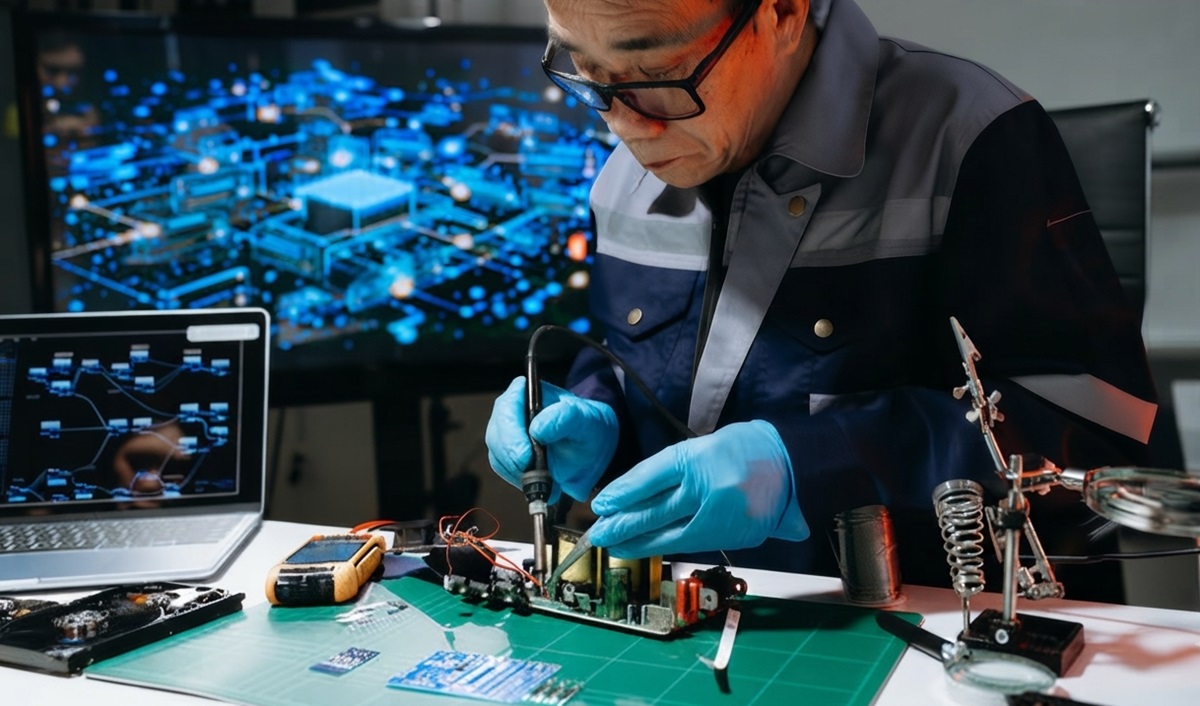
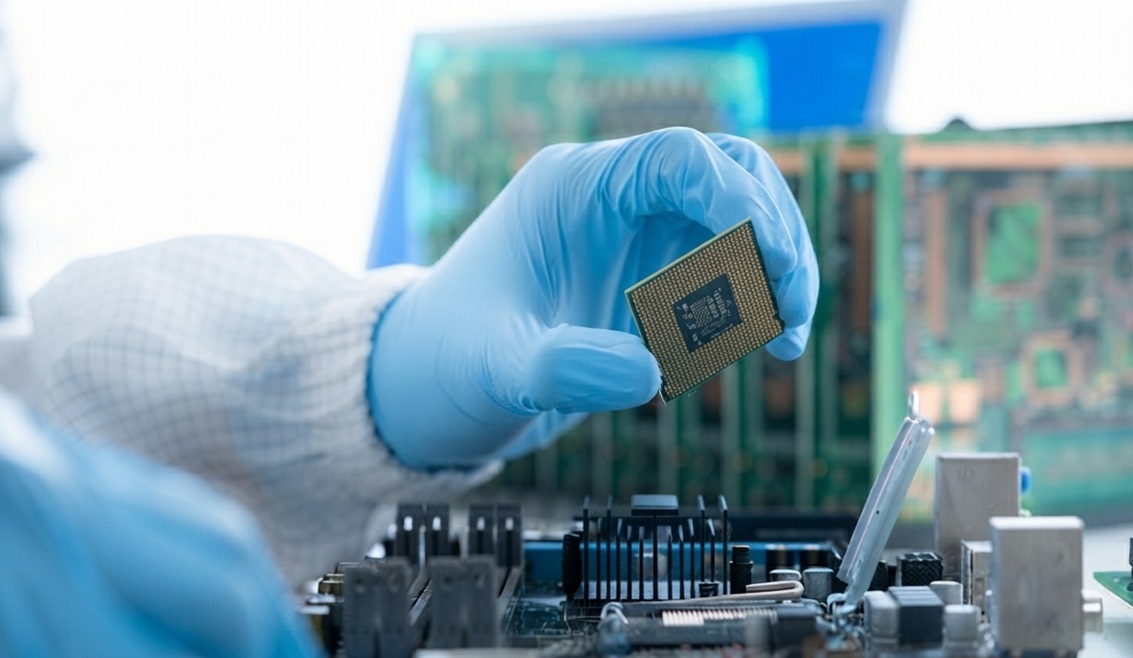
The electronics industry manufactures some of the world's most advanced and delicate products, from semiconductors and printed circuit boards (PCBs) to smartphones, medical devices, and automotive electronics. As electronic components become increasingly smaller and more powerful, they also become more sensitive to electrostatic discharge (ESD). A static charge that goes unnoticed by a person can permanently damage a microchip worth hundreds or even thousands of dollars.
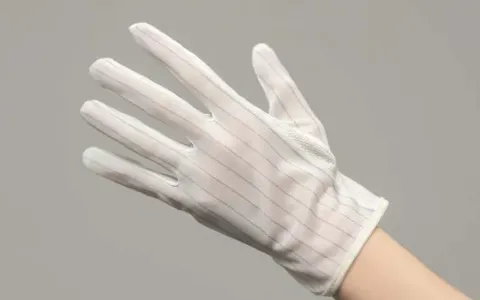
For this reason, antistatic fabric has become an essential material throughout modern electronics manufacturing. Used in garments, gloves, caps, and other protective apparel, it helps control electrostatic buildup, reduce contamination, and create a safer production environment for sensitive electronic devices.
This guide explains why antistatic fabric is indispensable in the electronics industry, how it works, where it is used, and what manufacturers should consider when selecting high-quality ESD protective clothing.
Understanding the Risk of Electrostatic Discharge in Electronics Manufacturing
Static electricity is generated whenever two materials come into contact and then separate. Walking across a floor, handling plastic packaging, or moving synthetic textiles can all create electrical charges.
In most daily situations, these charges are harmless. However, electronics manufacturing presents a very different environment.
Modern integrated circuits contain microscopic conductive pathways that can be permanently damaged by extremely small electrostatic discharges. While a person may not even notice a discharge below 3,000 volts, many electronic components can be damaged by as little as 30 to 100 volts.
Electrostatic discharge can result in immediate component failure or create latent defects that remain undetected until the product reaches the customer. These hidden failures can lead to warranty claims, expensive recalls, reduced product reliability, and damage to a manufacturer's reputation.
As electronic devices continue to shrink while offering greater computing power, effective ESD control has become more important than ever.
What Is Antistatic Fabric?
Antistatic fabric is a specialized textile designed to prevent the accumulation of static electricity and safely dissipate electrical charges before they reach harmful levels.
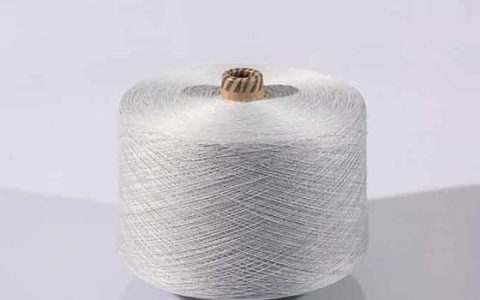
Unlike ordinary fabrics, which can easily generate and retain static electricity, antistatic fabric incorporates conductive yarn into the textile structure. These conductive fibers create controlled electrical pathways that continuously disperse static charges generated by normal movement.
High-quality ESD fabric is engineered to deliver long-lasting electrostatic protection while maintaining durability, breathability, and wearer comfort.
Today, many manufacturers choose advanced functional fabric solutions that combine static control with additional performance characteristics such as moisture management, abrasion resistance, low particle generation, and excellent wash durability.
How Antistatic Fabric Prevents Electrostatic Damage
The effectiveness of antistatic fabric comes from the conductive network created by embedded conductive yarn.
As workers move throughout a production facility, friction naturally generates electrical charges. Instead of allowing these charges to accumulate on the garment surface, the conductive fibers collect and disperse them continuously, preventing dangerous voltage buildup.
This controlled dissipation helps maintain a safe electrostatic environment around sensitive electronic components.
Compared with conventional workwear, professional ESD fabric significantly reduces electrostatic voltage, making it suitable for electronics manufacturing, semiconductor production, and precision assembly environments.
Why Antistatic Fabric Is Essential in Electronics Manufacturing
Protecting Sensitive Electronic Components
The primary purpose of antistatic fabric is protecting electronic products from electrostatic discharge.
Even invisible ESD events can damage:
Integrated circuits (ICs)
Printed circuit boards (PCBs)
Semiconductor wafers
Microprocessors
Memory chips
Sensors
LED components
Using certified antistatic workwear helps reduce these risks throughout production.
Reducing Hidden Product Failures
Not every ESD event causes immediate equipment failure.
Many damaged components continue functioning during production but develop premature failures later in the product lifecycle. These latent defects are especially costly because they often appear after shipment.
Reliable ESD fabric helps manufacturers minimize hidden reliability problems and improve long-term product quality.
Improving Manufacturing Yield
Lower ESD risk directly contributes to higher production yields.
Benefits include:
Fewer rejected components
Less product rework
Lower scrap rates
Improved production efficiency
Reduced manufacturing costs
For high-volume electronics manufacturers, even a small reduction in ESD-related defects can produce significant cost savings.
The Role of Cleanroom Clothing in Electronics Production
Many electronics manufacturing facilities operate in controlled cleanroom environments, particularly semiconductor fabrication plants and precision electronics assembly lines.
In these environments, contamination control is just as important as static control.
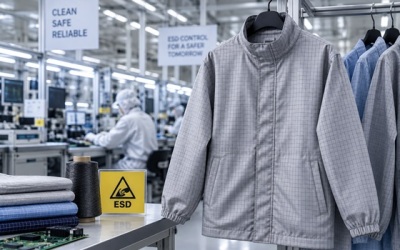
Professional cleanroom clothing made from antistatic fabric is specifically engineered to minimize particle generation while continuously dissipating electrostatic charges.
Compared with ordinary industrial garments, cleanroom apparel offers several advantages:
Low-lint construction
Reduced particle shedding
Excellent electrostatic performance
Compatibility with repeated industrial laundering
Improved wearer comfort for long production shifts
By combining contamination control with static protection, cleanroom clothing helps manufacturers maintain consistent product quality and comply with stringent production standards.
How Conductive Yarn Enhances Fabric Performance
The performance of antistatic fabric largely depends on the quality and distribution of its conductive yarn.
Rather than applying temporary chemical finishes, premium fabrics weave conductive fibers directly into the textile structure. This creates a permanent conductive grid capable of dissipating static electricity throughout the garment's service life.
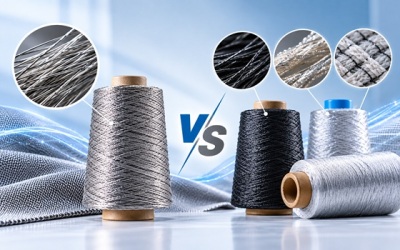
Common conductive yarn technologies include carbon filament, carbon-coated polyester, stainless steel fibers, and composite conductive materials. Carbon-based conductive yarn is widely used in electronics manufacturing because it provides excellent conductivity, lightweight performance, and long-term durability without sacrificing comfort.
Since the conductive properties are built into the fabric itself, garments retain their ESD protection even after repeated industrial washing when properly maintained.
Applications Across the Electronics Industry
The need for antistatic fabric extends throughout nearly every stage of electronics manufacturing.
Semiconductor Manufacturing
Semiconductor fabrication demands some of the strictest electrostatic controls in any industry.
Workers wear specialized cleanroom clothing to prevent contamination while protecting delicate silicon wafers from ESD damage.
PCB Assembly
During printed circuit board assembly, operators handle highly sensitive electronic components directly.
Professional antistatic workwear helps reduce static generated by normal worker movement.
Consumer Electronics Manufacturing
Factories producing smartphones, laptops, wearable devices, and home electronics rely on ESD fabric to protect components throughout assembly, testing, and packaging.
Automotive Electronics
Modern vehicles contain hundreds of electronic control units and sophisticated sensors.
As automotive electronics become increasingly complex, manufacturers continue investing in advanced functional fabric solutions to improve ESD protection during production.
Medical Electronics
Medical devices often contain highly sensitive electronic systems where component reliability is critical.
Using certified antistatic garments helps maintain both manufacturing quality and product reliability.
Industry Trends Increasing Demand for Antistatic Fabric
Several global trends are driving increased adoption of advanced antistatic fabric in electronics manufacturing.
Smaller and More Sensitive Components
As semiconductor technology advances, electronic circuits become increasingly compact. Smaller components typically tolerate much lower electrostatic voltages, making effective ESD protection more important than ever.
Growth of Artificial Intelligence and High-Performance Computing
The rapid expansion of AI servers, cloud computing, and advanced processors has increased demand for sophisticated semiconductor manufacturing, where strict electrostatic control is essential.
Expansion of Electric Vehicles
Electric vehicles rely heavily on electronic control systems, battery management systems, sensors, and power modules.
Growing EV production continues to increase demand for high-performance functional fabric used in electronics manufacturing environments.
Smart Factory Automation
Industry 4.0 technologies rely on robotics, automation, machine vision, and intelligent production systems.
As production equipment becomes more automated and electronically sophisticated, manufacturers are strengthening ESD control programs throughout their facilities.
Sustainability
Many manufacturers are replacing disposable garments with reusable antistatic workwear made from durable ESD fabric. High-quality reusable garments reduce textile waste while lowering long-term operating costs through extended service life.
Choosing the Right Antistatic Fabric for Electronics Manufacturing
Not every antistatic fabric provides the same level of protection. Buyers should evaluate several important factors before selecting garments or textile suppliers.
First, verify that the fabric delivers stable electrostatic performance through internationally recognized ESD testing methods. The conductive properties should remain effective after repeated industrial laundering rather than relying on temporary chemical finishes.
Next, examine the quality of the conductive yarn. Uniformly distributed conductive fibers generally provide more consistent static dissipation across the entire garment.
Comfort is another important consideration. Since employees often wear protective garments for extended shifts, lightweight functional fabric with good breathability and moisture management can improve productivity and compliance.
Durability also matters. Garments should maintain their electrostatic performance, dimensional stability, and appearance through frequent industrial washing and daily use.
Finally, consider the supplier's manufacturing capabilities, quality management system, and experience serving the electronics industry. Reliable suppliers can often provide customized garment designs, technical support, and documentation to meet specific customer requirements.


Frequently Asked Questions
What is the difference between antistatic fabric and ESD fabric?
Although the terms are often used interchangeably, ESD fabric generally refers to textiles specifically engineered to control electrostatic discharge in sensitive electronic environments. Antistatic fabric is a broader term describing fabrics that reduce or dissipate static electricity. Many high-quality antistatic fabrics are also classified as ESD fabrics when they meet applicable industry performance standards.
Why can't ordinary workwear be used in electronics manufacturing?
Standard garments can generate and retain high levels of static electricity through normal movement. Without conductive pathways, static charges may discharge directly onto sensitive electronic components, increasing the risk of product damage.
Does antistatic performance disappear after washing?
High-quality antistatic fabric uses woven conductive yarn, allowing electrostatic performance to remain stable through numerous industrial laundering cycles when garments are maintained according to manufacturer recommendations.
Is cleanroom clothing always antistatic?
Not always. However, most cleanroom clothing used in electronics manufacturing incorporates antistatic properties because contamination control alone is not sufficient for protecting sensitive electronic devices.
Learn More About Antistatic Fabric Applications
The electronics industry is only one of many sectors that rely on electrostatic protection. If you'd like to explore how antistatic fabric supports other industries such as pharmaceuticals, petrochemicals, cleanrooms, and precision manufacturing, read our pillar guide: Top 10 Industries That Use Antistatic Fabric.
For companies looking for professional ESD protective apparel, CJTI offers specialized antistatic workwear and cleanroom clothing designed specifically for electronics manufacturing environments. Learn more about our industry solutions here:
https://www.cjti.com/industry/electronic-industry-anti-static-work-clothes
Conclusion
As electronic devices become smaller, faster, and more sophisticated, electrostatic control is no longer optional—it is an essential part of modern manufacturing. Even low-voltage electrostatic discharge can damage sensitive components, reduce production yields, and create costly product failures.
High-performance antistatic fabric, engineered with durable conductive yarn, provides reliable protection by continuously dissipating static electricity before it reaches harmful levels. When incorporated into professional antistatic workwear and cleanroom clothing, these advanced functional fabric solutions help manufacturers improve product quality, protect valuable electronic components, reduce contamination, and meet the increasingly demanding standards of today's electronics industry.
Related News
Read More >-
![Cleanroom Clothing vs. Antistatic Clothing: What's the Difference?]()
Cleanroom Clothing vs. Antistatic Clothing: What's the Difference?
Compare cleanroom clothing vs. antistatic clothing, including key differences in fabric, ESD protection, contamination control, standards, and applications.
-
![How to Choose Stainless Steel Yarn for Conductive Textiles?]()
How to Choose Stainless Steel Yarn for Conductive Textiles?
Learn how to choose stainless steel yarn for conductive textiles. Compare fiber content, electrical resistance, yarn count, durability, and testing requirements.
-
![Stainless Steel Yarn vs. Conductive Yarn: What's the Difference?]()
Stainless Steel Yarn vs. Conductive Yarn: What's the Difference?
Compare stainless steel yarn with carbon and silver-coated conductive yarns. Explore differences in conductivity, durability, flexibility, and applications.
-
![How Does an Antistatic Jacket Work?]()
How Does an Antistatic Jacket Work?
Learn how an antistatic jacket works, how conductive yarn and antistatic fabric dissipate static charge, and what affects ESD protection performance.
-
![What Is an Antistatic Jacket?]()
What Is an Antistatic Jacket?
Learn what an antistatic jacket is, how it works, the materials used, key applications, ESD standards, and how to choose the right jacket for work.
-
![What Is Stainless Steel Yarn Used For?]()
What Is Stainless Steel Yarn Used For?
Discover what stainless steel yarn is used for, from antistatic and EMI shielding fabrics to smart textiles, heating, and protective clothing.
-
![What Is Stainless Steel Yarn?]()
What Is Stainless Steel Yarn?
What is stainless steel yarn? Learn about its conductivity, properties, types, applications, and uses in antistatic, ESD, and functional textiles.
-
![What Are Flame Retardant Textiles?]()
What Are Flame Retardant Textiles?
Learn what flame retardant textiles are, how they work, key fabric types, applications, standards, and how to choose flame-resistant fabrics for protective clothing.