
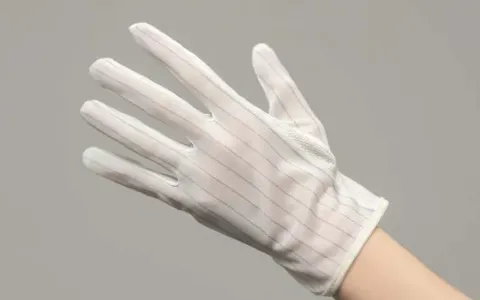



What's the Difference Between Cut Resistant and Stab Resistant Clothing
2026-04-03 14:32
When it comes to workplace safety, choosing the right protective gear is critical. Many people assume that cut resistant clothing and stab resistant clothing offer the same level of protection, but in reality, they are designed for very different risks. Understanding the difference between cut resistant clothing and stab resistant clothing is essential for selecting the right solution for your industry and application.
Both types of protective garments fall under the category of industrial safety apparel, yet they are engineered to address distinct hazards. In this article, we will break down how cut resistant clothing compares to stab resistant clothing, including their materials, performance, and ideal use cases.
What Is Cut Resistant Clothing?
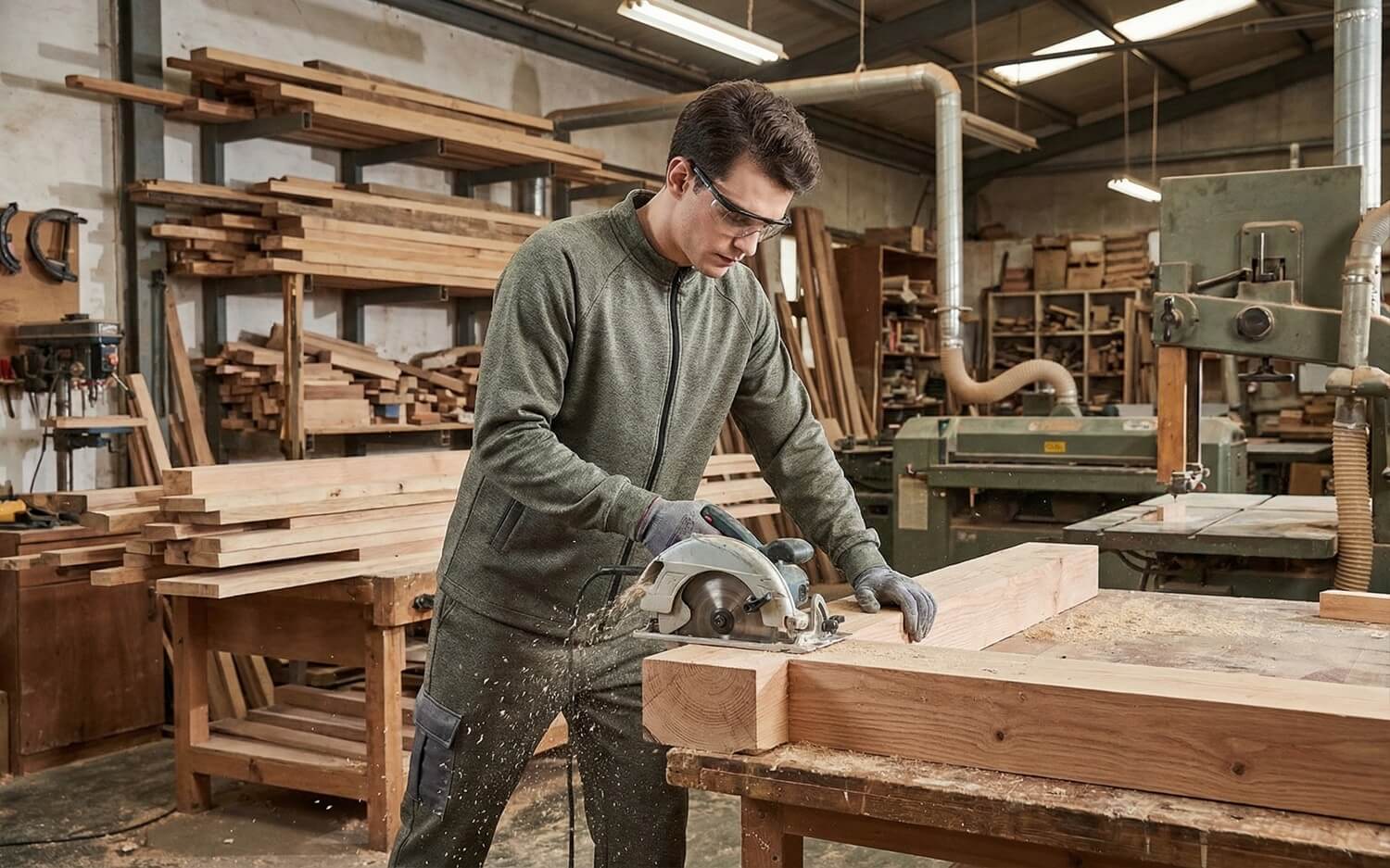
Cut resistant clothing is designed to protect against cuts, slashes, and abrasions caused by sharp objects such as glass, metal edges, or blades. It is widely used in industries like manufacturing, construction, and glass handling, where workers face frequent exposure to sharp materials.
The key feature of cut resistant clothing is its ability to prevent or reduce injuries from slicing motions. Unlike rigid protective gear, cut resistant clothing is typically flexible and comfortable, allowing workers to maintain mobility while staying protected.
Most cut resistant clothing is made from advanced cut resistant fabrics such as:
High-performance polyethylene (UHMWPE)
Aramid fiber (commonly used in high-performance textiles)
Steel fiber blends
These materials are engineered to disperse the force of a blade, making it harder for the object to penetrate the fabric. As a result, cut resistant clothing is a crucial component of modern protective clothing materials used in industrial environments.
What Is Stab Resistant Clothing?
While cut resistant clothing protects against slicing hazards, stab resistant clothing is specifically designed to resist penetration from pointed objects such as knives, spikes, or needles.
Stab resistant clothing uses a completely different construction approach. Instead of relying on flexible fibers alone, it often incorporates:
Multiple tightly woven layers
Reinforced composites
Rigid or semi-rigid inserts
This structure allows stab resistant clothing to absorb and distribute the force of a stabbing motion, reducing the likelihood of penetration.
Because of its design, stab resistant clothing is typically less flexible than cut resistant clothing, but it provides higher protection against puncture-related threats. It is commonly used in:
Law enforcement and security
Correctional facilities
Personal defense gear
Understanding the distinction between cut resistant clothing and stab resistant clothing is essential, as using the wrong type can leave workers unprotected against specific hazards.
Cut Resistant vs Stab Resistant Clothing: Key Differences
The main difference between cut resistant clothing and stab resistant clothing lies in the type of protection they provide. Cut resistant clothing is designed to resist slicing motions, while stab resistant clothing is engineered to prevent penetration from sharp, pointed objects.
Here is a clear comparison:
| Feature | Cut Resistant Clothing | Stab Resistant Clothing |
| Protection Type | Cuts, slashes, abrasions | Stabbing, puncture |
| Material Structure | Flexible fibers | Layered, reinforced materials |
| Flexibility | High | Moderate to low |
| Weight | Lightweight | Heavier |
| Common Use | Industrial work | Security & defense |
In practical terms, cut resistant clothing is ideal for environments where sharp edges are the main risk, while stab resistant clothing is necessary where there is a threat of penetration injuries.
Applications and Use Cases
Industrial and Manufacturing Protection
In industrial environments, cut resistant clothing is essential for protecting workers from sharp tools and materials. Industries such as metal fabrication, glass manufacturing, and automotive assembly rely heavily on cut resistant clothing to reduce workplace injuries.
Security and Law Enforcement
For security personnel, stab resistant clothing is critical. Unlike cut resistant clothing, which focuses on slicing hazards, stab resistant clothing is designed to withstand direct attacks from sharp objects.
Glass Handling and Metal Processing
Workers handling glass panels or sharp metal edges benefit significantly from cut resistant clothing. In these environments, flexibility and comfort are just as important as protection, making cut resistant clothing the preferred choice over stab resistant clothing.
How to Choose Between Cut Resistant and Stab Resistant Clothing
Choosing between cut resistant clothing and stab resistant clothing depends on the specific risks in your work environment.
1. Identify the Hazard Type
Use cut resistant clothing for slicing and abrasion risks
Use stab resistant clothing for penetration risks
2. Consider Comfort and Mobility
Cut resistant clothing offers better flexibility
Stab resistant clothing provides higher protection but less comfort
3. Check Industry Standards
Look for certifications such as:
ANSI cut resistance levels
EN 388 standards
4. Evaluate Material Performance
High-quality protective clothing materials ensure long-term durability and safety.
Common Misconceptions
One of the most common misunderstandings is that cut resistant clothing can also protect against stabbing. While cut resistant clothing offers excellent protection against cuts, it is not designed to stop sharp objects from penetrating the fabric.
Similarly, not all stab resistant clothing provides strong cut resistance. Each type of garment is engineered for a specific purpose, and using the wrong one can lead to serious safety risks.
Conclusion
Understanding the difference between cut resistant clothing and stab resistant clothing is essential for making the right safety decisions. While cut resistant clothing is ideal for protecting against cuts and abrasions, stab resistant clothing is designed to prevent penetration from sharp objects.
Selecting the right type of protective gear depends on your specific work environment, risk level, and comfort requirements. By choosing the appropriate protective clothing materials, businesses can significantly improve workplace safety and reduce injury risks.
For companies seeking advanced textile solutions, investing in high-quality materials and expert support can make all the difference in ensuring both safety and performance.
Related News
Read More >-
![How Does an Antistatic Jacket Work?]()
How Does an Antistatic Jacket Work?
Learn how an antistatic jacket works, how conductive yarn and antistatic fabric dissipate static charge, and what affects ESD protection performance.
-
![What Is an Antistatic Jacket?]()
What Is an Antistatic Jacket?
Learn what an antistatic jacket is, how it works, the materials used, key applications, ESD standards, and how to choose the right jacket for work.
-
![What Is Stainless Steel Yarn Used For?]()
What Is Stainless Steel Yarn Used For?
Discover what stainless steel yarn is used for, from antistatic and EMI shielding fabrics to smart textiles, heating, and protective clothing.
-
![What Is Stainless Steel Yarn?]()
What Is Stainless Steel Yarn?
What is stainless steel yarn? Learn about its conductivity, properties, types, applications, and uses in antistatic, ESD, and functional textiles.
-
![What Are Flame Retardant Textiles?]()
What Are Flame Retardant Textiles?
Learn what flame retardant textiles are, how they work, key fabric types, applications, standards, and how to choose flame-resistant fabrics for protective clothing.
-
![What is Cotton Flame Retardant Fabric?]()
What is Cotton Flame Retardant Fabric?
Explains what cotton flame retardant fabric is, how it works, how it differs from inherent FR materials, where it is used, what standards buyers should consider, and how to select the right fabric for a protective clothing program.
-
![Which is Better, Aramid or Kevlar Fabric?]()
Which is Better, Aramid or Kevlar Fabric?
Compare aramid fabric vs Kevlar fabric, including strength, flame resistance, applications, and key differences to choose the right protective material.
-
![What Is Aramid Fabric?]()
What Is Aramid Fabric?
Learn what aramid fabric is, its key properties, the differences between meta aramid fabric and para aramid fabric, common applications, and how to choose the right flame retardant fabric for industrial protective clothing.