




Flame Retardants vs Fireproof Materials: Effectiveness, Differences, and Fire Prevention Comparison
2026-04-17 14:38
When it comes to fire safety, terms like “flame retardant” and “fireproof” are often used interchangeably. However, they represent fundamentally different concepts in material science and fire protection engineering.
Understanding the differences between flame retardants and fireproof materials is essential for making informed decisions in industries such as construction, manufacturing, and personal protective equipment (PPE).
In this article, we provide a clear comparison of their effectiveness, mechanisms, and real-world applications—helping you determine which solution is best suited for fire prevention.
What Are Flame Retardants?
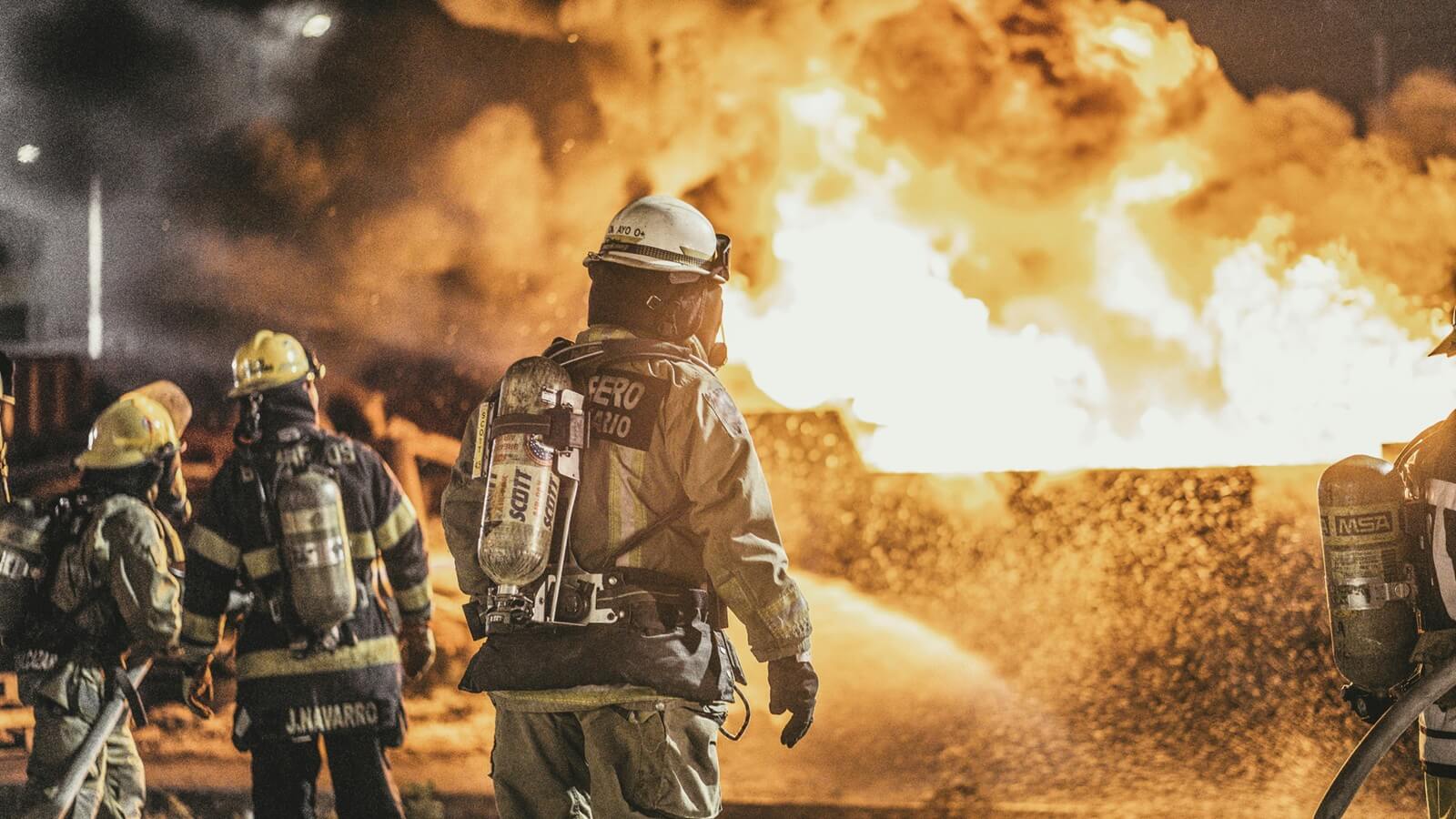
Flame retardants are substances or treatments applied to materials to slow down, inhibit, or resist the spread of fire. Rather than making a material completely non-combustible, they work by interfering with the combustion process.
How Flame Retardants Work
Flame retardants typically function through one or more of the following mechanisms:
Thermal shielding: Forming a protective char layer that insulates the material
Gas phase inhibition: Interrupting chemical reactions in the flame
Dilution effect: Releasing non-flammable gases to reduce oxygen availability
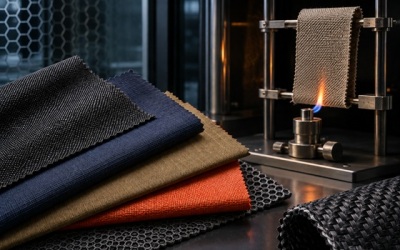
These properties make flame retardants widely used across multiple industries, including plastics, coatings, and especially protective textiles, where controlled flame resistance is critical.
What Are Fireproof Materials?
Fireproof materials are generally understood as materials that can withstand extremely high temperatures without burning, igniting, or degrading. However, it is important to clarify a common misconception:
In reality, truly “fireproof” materials are extremely rare.
Most so-called fireproof materials are better described as fire-resistant, meaning they can endure fire exposure for a limited time under specific conditions.
Common Examples
Concrete
Gypsum boards
Certain ceramics and treated metals
These materials are primarily used in structural and passive fire protection systems, such as walls, ceilings, and insulation.
Flame Retardants vs Fireproof Materials: Key Differences
Understanding the distinction between these two concepts is crucial. The table below highlights their main differences:
| Aspect | Flame Retardants | Fireproof Materials |
| Definition | Chemicals or treatments that slow combustion | Materials designed to resist or withstand fire |
| Mechanism | Inhibit burning process | Resist ignition and structural failure |
| Combustibility | May still burn slowly | Typically non-combustible or highly resistant |
| Flexibility | Can be applied to various materials (e.g., fabrics, plastics) | Usually rigid and structural |
| Application | Textiles, electronics, coatings | Construction, barriers, insulation |
| Duration | Delays fire spread | Withstands fire for a defined period |
Which Is More Effective for Fire Prevention?
The effectiveness of flame retardants versus fireproof materials depends largely on the application scenario.
Flame Retardants: Best for Active Protection
Flame retardants are highly effective in situations where:
Materials must remain lightweight and flexible
Fire risks involve sudden ignition or flash fire
Human safety and mobility are critical
For example, in protective clothing, flame retardant treatments help:
Prevent ignition
Reduce burn injuries
Provide escape time
Fireproof Materials: Best for Passive Protection
Fireproof (or fire-resistant) materials are more suitable for:
Structural fire barriers
Compartmentalization in buildings
Long-duration fire resistance
They do not actively stop flames but contain and slow fire spread within a structure.
Key takeaway:
Fire prevention is not about choosing one over the other—it’s about selecting the right solution based on function, environment, and safety requirements.
How These Materials Are Used in Protective Textiles
While the comparison is often discussed in general material science, in real-world applications—especially in personal protective equipment (PPE)—flame retardants play a far more practical role than so-called fireproof materials.
In wearable applications, materials must be:
Flexible
Breathable
Lightweight
Comfortable for long-term use
Rigid “fireproof” materials simply cannot meet these requirements.
This is why flame retardant fabrics are widely adopted across industries such as:
Oil & gas
Electrical utilities
Welding and metalworking
Military and firefighting support
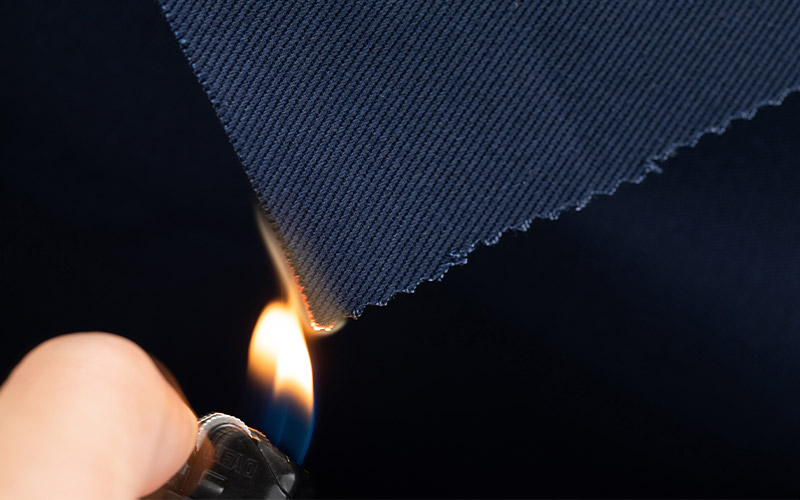
Unlike structural fireproof materials, flame retardant textiles are engineered to:
Resist ignition
Self-extinguish after flame exposure
Minimize heat transfer to the skin
If you're interested in a more detailed comparison specifically focused on fabrics, you can also read:
👉 What Is the Difference Between Flame Retardant Fabric and Fire Proof Fabric
Why “Fireproof” Is Often Misunderstood
The term “fireproof” is frequently used in marketing, but it can be misleading. In professional safety standards, materials are rarely classified as completely fireproof.
Instead, they are evaluated based on:
Flame spread resistance
Heat resistance duration
Ignition behavior
International standards (such as those used in industrial protective clothing) emphasize flame resistance performance, not absolute fire immunity.
This distinction is critical when selecting materials for safety-critical environments.
Choosing the Right Material for Your Application
Selecting between flame retardant and fire-resistant solutions depends on several factors:
Consider Flame Retardants When:
Human safety and mobility are priorities
Materials must be flexible or wearable
Fire exposure is short-term but intense
Consider Fireproof Materials When:
Structural integrity must be maintained
Fire exposure is prolonged
Passive fire containment is required
In many cases, the most effective fire protection strategy involves combining both approaches.
Conclusion
Flame retardants and fireproof materials serve different but complementary roles in fire prevention. While fireproof materials provide structural resistance, flame retardants offer critical protection in dynamic, real-world scenarios—especially in textiles and personal safety equipment.
Understanding their differences allows businesses and safety professionals to make better decisions, ensuring both compliance and protection in high-risk environments.
FAQs
Are flame retardants the same as fireproof materials?
No. Flame retardants slow down combustion, while fireproof materials are designed to resist or withstand fire. They serve different purposes.
Which is better for fire prevention?
It depends on the application. Flame retardants are better for flexible materials like fabrics, while fireproof materials are ideal for structural protection.
Are fireproof materials truly fireproof?
In most cases, no. Most materials labeled as “fireproof” are actually fire-resistant and can only withstand fire for a limited time.
Why are flame retardants used in fabrics?
Because they provide fire protection while maintaining flexibility, comfort, and wearability—essential for protective clothing.
Related News
Read More >-
![How to Choose Stainless Steel Yarn for Conductive Textiles?]()
How to Choose Stainless Steel Yarn for Conductive Textiles?
Learn how to choose stainless steel yarn for conductive textiles. Compare fiber content, electrical resistance, yarn count, durability, and testing requirements.
-
![Stainless Steel Yarn vs. Conductive Yarn: What's the Difference?]()
Stainless Steel Yarn vs. Conductive Yarn: What's the Difference?
Compare stainless steel yarn with carbon and silver-coated conductive yarns. Explore differences in conductivity, durability, flexibility, and applications.
-
![How Does an Antistatic Jacket Work?]()
How Does an Antistatic Jacket Work?
Learn how an antistatic jacket works, how conductive yarn and antistatic fabric dissipate static charge, and what affects ESD protection performance.
-
![What Is an Antistatic Jacket?]()
What Is an Antistatic Jacket?
Learn what an antistatic jacket is, how it works, the materials used, key applications, ESD standards, and how to choose the right jacket for work.
-
![What Is Stainless Steel Yarn Used For?]()
What Is Stainless Steel Yarn Used For?
Discover what stainless steel yarn is used for, from antistatic and EMI shielding fabrics to smart textiles, heating, and protective clothing.
-
![What Is Stainless Steel Yarn?]()
What Is Stainless Steel Yarn?
What is stainless steel yarn? Learn about its conductivity, properties, types, applications, and uses in antistatic, ESD, and functional textiles.
-
![What Are Flame Retardant Textiles?]()
What Are Flame Retardant Textiles?
Learn what flame retardant textiles are, how they work, key fabric types, applications, standards, and how to choose flame-resistant fabrics for protective clothing.
-
![What is Cotton Flame Retardant Fabric?]()
What is Cotton Flame Retardant Fabric?
Explains what cotton flame retardant fabric is, how it works, how it differs from inherent FR materials, where it is used, what standards buyers should consider, and how to select the right fabric for a protective clothing program.