



What is An Inherent Flame Retardant Fabric?
2026-05-22 15:19
As industrial safety standards continue to evolve, the demand for advanced protective textiles is growing rapidly across industries such as oil & gas, electrical utilities, petrochemical processing, and manufacturing. Among the many protective materials available today, inherent flame retardant fabric has become one of the most trusted solutions for high-risk working environments.
Unlike ordinary textiles or chemically treated fabrics, inherent flame retardant fabric provides permanent flame resistance built directly into the fiber structure itself. This long-lasting protection makes it a preferred choice for manufacturers of flame retardant clothing, industrial PPE, and multi-hazard workwear.
In this article, we will explore how inherent flame retardant fabric works, how it compares with treated materials, the fibers commonly used, key industry applications, and the latest trends shaping the future of protective textiles.
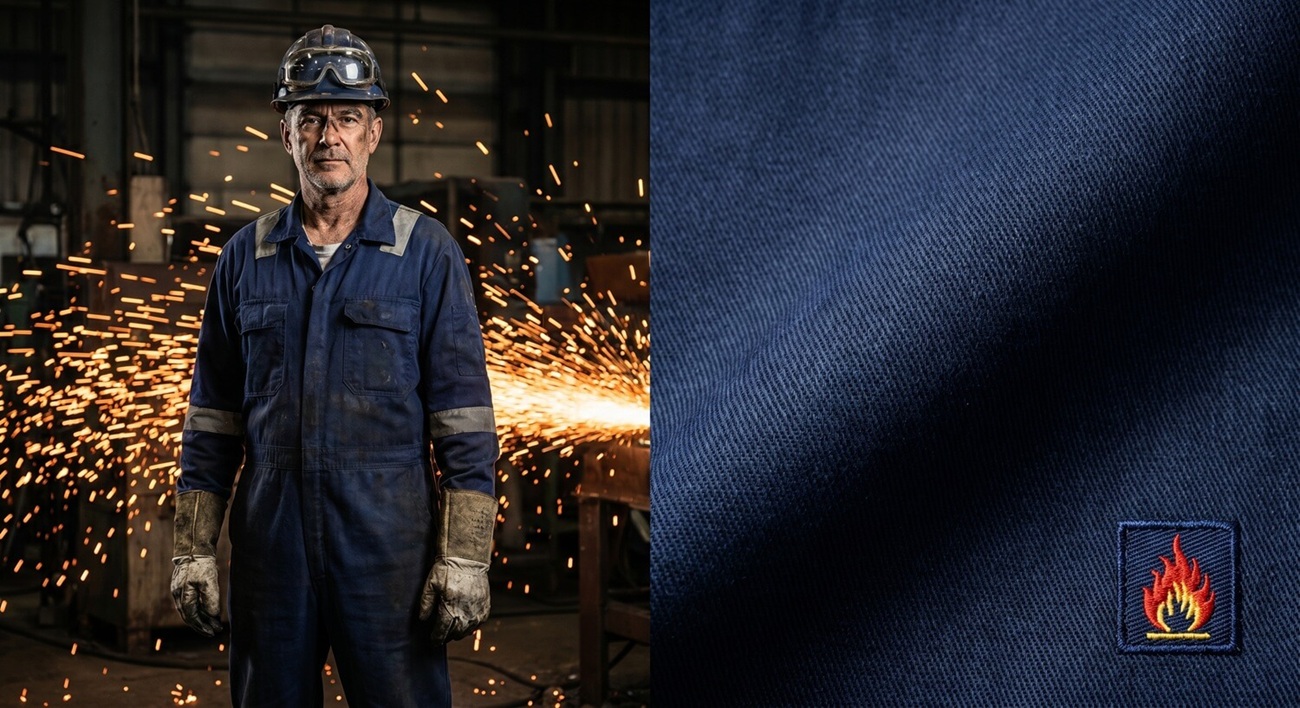
Understanding Inherent Flame Retardant Fabric
What Does “Inherent” Mean in FR Textiles?
In FR textiles, the word “inherent” means that the flame-resistant properties are permanently built into the molecular structure of the fibers. In other words, the protection is not added through chemical finishing or surface treatment.
This is the key difference between inherent flame retardant fabric and externally treated materials. Because the flame resistance exists naturally within the fiber itself, the protective performance remains stable throughout the entire lifespan of the fabric.
Modern flame retardant fabrics made with inherent fibers are widely used in industrial protective apparel because they offer consistent protection even after repeated washing and long-term wear.
How Inherent Flame Retardant Fabric Works
The protective mechanism of inherent flame retardant fabric depends on specially engineered flame retardant fibers.
When exposed to heat or flame, these fibers:
Resist ignition
Limit flame spread
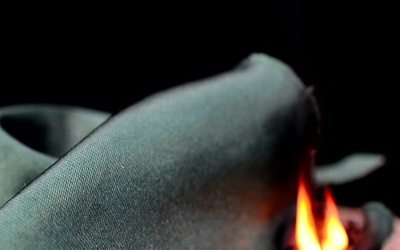
Self-extinguish once the ignition source is removed
Reduce heat transfer to the wearer
Unlike ordinary textiles, inherent flame retardant fabric does not melt or drip easily under high temperatures, helping reduce burn injuries.
Many advanced functional fabric systems now combine inherent flame resistance with additional performance features such as:
Anti-static protection
Arc flash resistance
Moisture management
Chemical splash resistance
This multi-functional approach is becoming increasingly important in modern industrial safety apparel.
Why Permanent Flame Resistance Matters
One of the biggest advantages of inherent flame retardant fabric is permanent protection.
In hazardous industries, workers may wash garments frequently under industrial laundering conditions. Fabrics that rely on surface treatments may gradually lose protection over time. However, inherent flame retardant fabric maintains its flame-resistant performance even after repeated washing cycles.
Permanent flame resistance is especially important for:
Long-term PPE durability
Compliance with international safety standards
Consistent worker protection
Lower garment replacement frequency
This is why many premium flame retardant clothing manufacturers increasingly prefer inherent FR materials for high-risk applications.
Inherent FR vs Treated FR Fabric: What's the Difference?
Understanding the difference between inherent flame retardant fabric and treated fr fabric is essential for industrial buyers and PPE manufacturers.
How Treated Flame Retardant Fabrics Are Made
Treated fr fabric is produced by applying chemical flame-retardant finishes to standard textile fibers such as cotton or polyester blends.
The treatment process helps fabrics resist ignition and slow flame spread. Treated materials are widely used because they are often more affordable than inherent FR textiles.
However, the protective performance of treated fr fabric can gradually decline depending on:
Washing frequency
Abrasion
Chemical exposure
Wear conditions
Key Performance Differences
The primary difference between the two lies in how flame resistance is achieved.
| Feature | Inherent FR Fabric | Treated FR Fabric |
| Flame Resistance Source | Built into fibers | Chemical treatment |
| Durability | Permanent | May decrease over time |
| Washing Resistance | Excellent | Limited lifespan |
| Long-Term Stability | High | Moderate |
| Cost | Higher upfront | Lower upfront |
Because of its long-lasting performance, inherent flame retardant fabric is often preferred in demanding industrial environments.
Durability and Washing Comparison
Durability is a major reason why many companies invest in inherent flame retardant fabric. Repeated industrial laundering can weaken chemically treated coatings in treated fr fabric, potentially reducing protection over time.
In contrast, the flame resistance of inherent fibers remains stable because it is part of the fiber’s internal structure.
This allows flame retardant clothing made with inherent FR materials to maintain:
Protection consistency
Fabric integrity
Color stability
Mechanical strength
over extended periods of use.
Cost vs Long-Term Value
Initially, inherent flame retardant fabric usually costs more than treated alternatives. However, many industrial buyers consider it a better long-term investment.
Benefits include:
Longer garment lifespan
Reduced replacement costs
Lower maintenance concerns
Improved safety reliability
For industries with high exposure risks, the long-term value often outweighs the higher upfront cost.
Common Fibers Used in Inherent Flame Retardant Fabric
Several specialized flame retardant fibers are commonly used to manufacture inherent flame retardant fabric.
Meta-Aramid Fiber
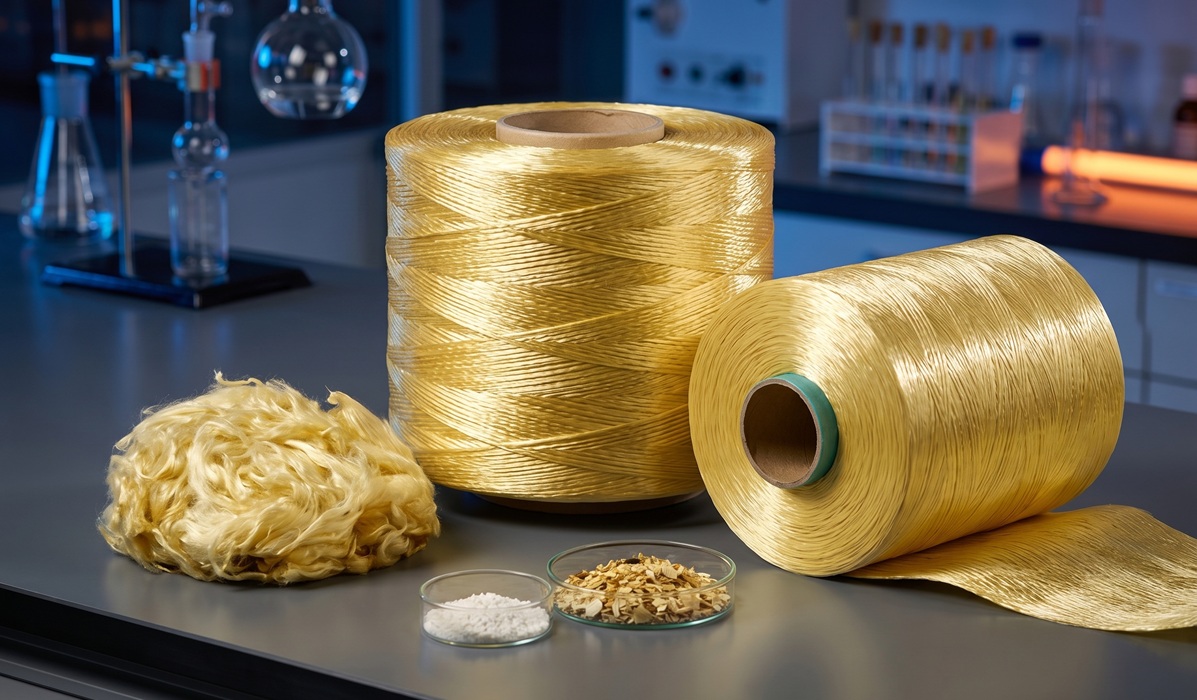
Aramid fiber is one of the most important materials in high-performance FR textiles.
Meta-aramid fibers provide:
Excellent flame resistance
High thermal stability
Good chemical resistance
Lightweight comfort
These fibers are widely used in premium flame retardant clothing for industrial and emergency response applications.
Para-Aramid Fiber
Para-aramid offers:
Exceptional tensile strength
High durability
Cut resistance
It is often blended with other fibers to improve the performance of advanced functional fabric systems.
Modacrylic Fiber
Modacrylic fibers are popular because they:
Self-extinguish
Provide soft hand feel
Offer good comfort
Blend easily with cotton and other fibers
FR Viscose and Carbon Blends
Modern inherent flame retardant fabric may also include:
FR viscose for comfort
Carbon fibers for anti-static protection
Multi-fiber blends for enhanced performance
These combinations support the growing trend toward multi-functional PPE textiles.
Advantages and Limitations of Inherent Flame Retardant Fabric
Like all materials, inherent flame retardant fabric has both strengths and limitations.
Key Advantages
Permanent flame resistance
Excellent washing durability
Stable long-term performance
Better thermal protection
Improved reliability in hazardous environments
Strong compatibility with multi-hazard PPE systems
Modern functional fabric development has also improved:
Breathability
Flexibility
Moisture management
Comfort
Potential Limitations
Despite its advantages, inherent flame retardant fabric may have:
Higher initial costs
More complex production requirements
Slightly stiffer texture in some fiber blends
However, ongoing textile innovation is helping manufacturers create lighter and softer FR materials.
Industries That Commonly Use Inherent Flame Retardant Fabric
Demand for inherent flame retardant fabric continues to grow across many industries.
Oil & Gas Industry
Workers face: Flash fire risks/Explosions/Heat exposure
High-performance flame retardant clothing is essential for worker safety.
Electrical Utilities
Arc flash hazards drive strong demand for advanced inherent FR textiles.
Petrochemical Industry
Chemical processing facilities often require multi-functional protective garments with flame and anti-static performance.
Welding and Metal Fabrication
Workers exposed to sparks and molten metal require durable flame retardant fabrics with high thermal stability.
Military and Emergency Response
Protective apparel for firefighters and rescue personnel frequently uses advanced aramid fiber technology.
How to Identify High-Quality Inherent Flame Retardant Fabric
Check International Certifications
Reliable inherent flame retardant fabric should comply with international standards such as:
| Standard | Purpose |
| NFPA 2112 | Flash fire protection |
| EN ISO 11612 | Heat and flame protection |
| ASTM F1506 | Arc flash protection |
| EN 1149 | Anti-static protection |
Certification helps verify product performance and compliance.
Evaluate Fabric Composition
Buyers should carefully review:
Fiber blend ratios
Presence of aramid fiber
Multi-hazard performance features
Weight and construction
High-quality flame retardant fabrics typically use advanced engineered fiber blends.
Understand Arc Flash and Heat Protection Ratings
Industrial buyers should evaluate:
ATPV ratings
Heat transfer performance
Arc flash resistance
Thermal protection values
These ratings help determine whether the inherent flame retardant fabric is suitable for specific workplace hazards.
Review Fabric Testing Reports
Professional manufacturers should provide:
Third-party testing reports
Wash durability data
Flame resistance certification
Quality control documentation
Reliable testing is essential when selecting protective textiles.
The Growing Trend Toward Multi-Functional Inherent FR Fabrics
One of the most important trends in 2026 is the development of multi-functional inherent flame retardant fabric.
Today’s advanced functional fabric systems often combine:
Flame resistance
Arc flash protection
Anti-static performance
Moisture management
Lightweight comfort
Manufacturers are also investing in:
Sustainable textile production
Recycled FR fibers
Breathable constructions
Smart textile integration
This trend is reshaping the future of industrial PPE and flame retardant clothing worldwide.
How to Choose the Right Inherent Flame Retardant Fabric
Choosing the right inherent flame retardant fabric depends on several factors.
Consider Workplace Hazards
Evaluate:
Heat exposure
Flash fire risks
Arc flash hazards
Chemical exposure
Evaluate Comfort and Wearability
Workers are more likely to wear PPE consistently when garments are:
Lightweight
Breathable
Flexible
Comfortable for long shifts
Match Fabric Performance to Industry Requirements
Different industries require different protection levels. Buyers should select flame retardant fabrics based on actual application risks.
Work with Experienced Manufacturers
Professional FR fabric manufacturers can provide:
Technical guidance
Custom fabric development
Certification support
OEM/ODM services
Choosing an experienced supplier helps ensure long-term product quality and compliance.
FAQ About Inherent Flame Retardant Fabric
What is inherent flame retardant fabric?
Inherent flame retardant fabric is a textile made from fibers with built-in flame-resistant properties that cannot be washed out or removed over time.
What is the difference between inherent and treated FR fabric?
Treated fr fabric uses chemical finishes for flame resistance, while inherent FR materials contain permanent flame-resistant properties within the fibers themselves.
Does inherent FR fabric lose protection after washing?
No. High-quality inherent flame retardant fabric maintains flame resistance even after repeated industrial laundering.
What industries use inherent flame retardant fabric?
Industries such as oil & gas, electrical utilities, petrochemical processing, welding, and emergency response commonly use inherent FR textiles.
Is inherent FR fabric more expensive?
Yes, the initial cost is usually higher, but the longer lifespan and durability often provide better long-term value.
Which inherent FR fiber is best?
Different applications require different materials, but aramid fiber is widely recognized as one of the most effective high-performance FR fibers used in industrial protective textiles.
Related News
Read More >-
![What are Specialty Fabrics?]()
What are Specialty Fabrics?
Discover what specialty fabrics are, their key features, materials, and industrial applications. Explore innovations in functional fabric, flame retardant fabric, antistatic fabric, cut resistant fabric, and sustainable textile technologies.
-
![Cleanroom Clothing: The Ultimate Guide for Controlled Environments]()
Cleanroom Clothing: The Ultimate Guide for Controlled Environments
Learn everything about cleanroom clothing, including garment types, antistatic materials, ESD protection, key applications, and how to choose the right cleanroom garments for controlled environments.
-
![How to Choose Aramid Sewing Thread?]()
How to Choose Aramid Sewing Thread?
Learn how to choose the right aramid sewing thread for flame retardant clothing, industrial gloves, aerospace textiles, and high-heat applications. Compare meta aramid sewing thread vs para aramid sewing thread, key performance factors, and customization options.
-
![Exploring the Latest Innovations in Functional Fabrics]()
Exploring the Latest Innovations in Functional Fabrics
Discover how functional fabrics are transforming industries through smart textiles, advanced protective materials, sustainable fabric technologies, and next-generation applications in workwear, healthcare, sportswear, and industrial safety.
-
![Flame Retardant Polyester: Properties, Applications, Benefits, and Safety]()
Flame Retardant Polyester: Properties, Applications, Benefits, and Safety
Learn about flame retardant polyester, including its properties, applications, benefits, safety, certifications, and uses in flame retardant fabric and clothing.
-
![What Is a Modacrylic Fiber?]()
What Is a Modacrylic Fiber?
Explore what modacrylic fiber is, how it is manufactured, its key properties, applications, comparisons with other flame-resistant fibers, and its growing role in the future of protective textiles.
-
![Latest Trends In Flame Retardant Clothing 2026]()
Latest Trends In Flame Retardant Clothing 2026
This article explores the latest trends shaping the future of flame retardant clothing in 2026 and what industrial buyers should pay attention to when selecting protective apparel solutions.
-
![How to Identify Cut-Resistant Fabric?]()
How to Identify Cut-Resistant Fabric?
Learn how to identify high-quality cut resistant fabric through certifications, material composition, testing standards, and cut resistance levels. Discover the best fabrics for industrial safety applications and protective workwear.