




Cleanroom Clothing: The Ultimate Guide for Controlled Environments
2026-06-26 14:36

In industries where contamination control is critical, cleanroom clothing plays a vital role in maintaining product quality, operational safety, and compliance with strict manufacturing standards. From semiconductor production and pharmaceutical laboratories to biotechnology facilities and precision electronics manufacturing, controlled environments rely heavily on specialized garments designed to minimize particle release and electrostatic discharge.
Unlike ordinary workwear, cleanroom clothing is engineered using advanced antistatic fabric and functional fabrics that help prevent dust, microbes, fibers, and static electricity from contaminating sensitive environments. Whether it is a full cleanroom suit, cleanroom coveralls, or an esd smock gown, every garment contributes to contamination control and process reliability.
This guide explores the importance of cleanroom clothing, common garment types, material technologies, selection criteria, and maintenance practices for controlled environments.
What Is Cleanroom Clothing?
Cleanroom clothing refers to specialized protective apparel designed for use in controlled environments where airborne particles, microorganisms, and electrostatic discharge must be minimized. The primary purpose of cleanroom clothing is to prevent contamination generated by workers from entering sensitive manufacturing or research areas.
Human skin, hair, and regular clothing continuously release particles into the surrounding environment. In industries such as semiconductor manufacturing or pharmaceutical production, even microscopic contaminants can damage products or compromise production quality. This is why cleanroom clothing is manufactured using tightly woven functional fabrics and conductive yarn technologies that help control contamination and static buildup.
Typical cleanroom garments include:
Cleanroom coveralls
Jackets and lab coats
Hoods and face masks
Gloves and shoe covers
ESD-safe garments
A properly designed cleanroom suit not only protects the product and environment but also improves worker comfort and operational efficiency.
Why Cleanroom Clothing Is Essential in Controlled Environments
Controlled environments require strict contamination management. Without appropriate cleanroom clothing, airborne particles, bacteria, fibers, and electrostatic discharge can negatively impact production processes and product quality.
One of the main reasons cleanroom clothing is essential is particle control. Human operators are among the largest contamination sources in cleanrooms. Specialized cleanroom coveralls and protective accessories help contain particles released from the body and clothing.
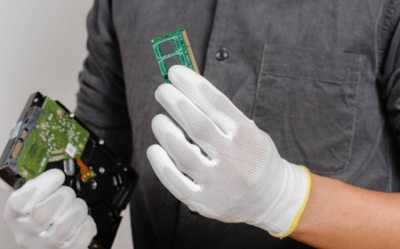
Another important function is electrostatic discharge protection. In electronics and semiconductor industries, static electricity can damage sensitive components. Cleanroom garments made with conductive yarn and antistatic fabric help dissipate static charges safely, reducing the risk of product failure.
Additionally, cleanroom clothing helps companies comply with industry standards such as ISO cleanroom classifications and ESD safety regulations. Many industries must follow strict contamination-control guidelines to maintain certification and customer trust.
Proper cleanroom clothing also improves worker safety by providing an additional barrier against chemicals, powders, biological contaminants, and hazardous particles in certain applications.
Industries That Require Cleanroom Garments
Many industries depend on cleanroom clothing to maintain high production standards and contamination-free environments.
Semiconductor and Electronics Manufacturing
Semiconductor facilities use cleanroom suit systems and esd smock gown solutions to protect sensitive electronic components from dust and electrostatic discharge. Even tiny particles can damage microchips and precision electronic devices.
Pharmaceutical and Biotechnology Industries
Pharmaceutical manufacturers rely on cleanroom clothing to prevent microbial contamination during drug production, packaging, and laboratory testing. Sterile cleanroom garments are essential for maintaining product purity.
Medical Device Manufacturing
Medical device production requires controlled environments to ensure patient safety and regulatory compliance. Cleanroom coveralls and gloves help minimize contamination risks during assembly and packaging.
Aerospace and Optical Manufacturing
Precision industries such as aerospace and optics require advanced contamination control to maintain product accuracy and performance. Specialized cleanroom clothing helps protect sensitive optical lenses and aerospace components.
Food Processing and Laboratories
Certain food production facilities and research laboratories also use cleanroom garments to maintain hygiene and contamination control during critical operations.
Types of Cleanroom Clothing and Protective Accessories
Different controlled environments require different types of cleanroom clothing depending on contamination levels, operational risks, and industry standards.
Cleanroom Coveralls
Cleanroom coveralls are among the most widely used garments in controlled environments. They provide full-body protection and help contain particles released from workers.
High-quality cleanroom coveralls are usually made from lightweight functional fabrics that offer breathability, durability, and antistatic performance. Some designs include elastic cuffs, concealed zippers, and integrated hoods for enhanced contamination control.
Lab Coats and Jackets
Lab coats and jackets are commonly used in lower-class cleanrooms or laboratory environments. These garments provide basic contamination protection while allowing greater mobility and comfort.
An esd smock gown is a common example used in electronics manufacturing, where static protection is required alongside moderate particle control.
Hoods, Caps, and Face Masks
Hair and respiratory particles are major contamination sources in controlled environments. Hoods, caps, and face masks help reduce particle dispersion and improve cleanroom hygiene.
These accessories are often combined with a full cleanroom suit for higher-level cleanroom classifications.
Gloves and Shoe Covers
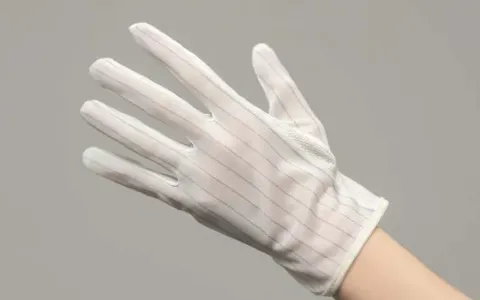
Gloves prevent direct contact contamination while shoe covers reduce particle transfer from footwear. Cleanroom-compatible gloves are often designed using low-particle materials with excellent chemical resistance and static control properties.
ESD-Safe Cleanroom Garments
ESD-safe garments are designed specifically for environments where electrostatic discharge poses a risk. These garments incorporate conductive yarn into the fabric structure to dissipate static electricity safely.
Industries handling sensitive electronics often require antistatic fabric and ESD-certified cleanroom clothing to protect products and equipment.

Key Materials Used in Cleanroom Clothing
The performance of cleanroom clothing depends heavily on the materials used during manufacturing.
Polyester Filament Fabrics
Polyester filament fabrics are commonly used because they generate low particle emissions and offer excellent durability. These tightly woven materials help maintain cleanroom integrity while providing comfort for long working hours.
Many reusable cleanroom coveralls are manufactured using polyester-based functional fabrics for long-term performance.
Carbon Fiber and Conductive Yarns
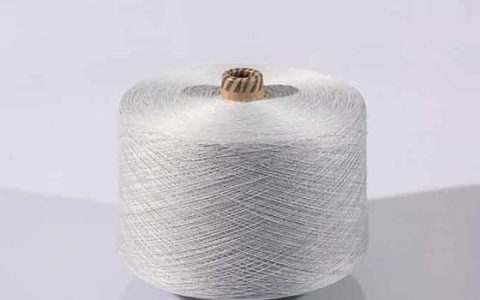
Conductive yarn is essential for ESD-safe cleanroom garments. Carbon fiber or conductive filament is woven into the fabric to dissipate static electricity effectively.
This technology is particularly important for electronics manufacturing and semiconductor cleanrooms where electrostatic discharge can damage sensitive components.
Antistatic and ESD Fabrics
Antistatic fabric is specifically engineered to minimize static charge accumulation. These fabrics improve safety, reduce contamination risks, and enhance operational reliability in controlled environments.
High-performance antistatic fabric is often combined with breathable textile structures to improve wearer comfort.
Reusable vs Disposable Materials
Reusable cleanroom clothing is designed for repeated laundering and long-term use. These garments are cost-effective for high-volume operations and offer consistent protection when maintained properly.
Disposable cleanroom garments are commonly used in environments requiring strict sterility or where contamination risks are exceptionally high.
Important Features to Consider When Choosing Cleanroom Clothing
Selecting the right cleanroom clothing requires careful evaluation of operational requirements and environmental conditions.
Contamination-control performance. The garment should effectively contain particles and minimize fiber shedding.
ESD protection. Industries handling electronics should choose cleanroom garments made with conductive yarn and certified antistatic fabric.
Comfort and breathability. Workers often wear cleanroom suit systems for extended periods, so lightweight functional fabrics can improve productivity and reduce fatigue.
Durability. Another major consideration is especially for reusable cleanroom coveralls. High-quality materials and reinforced stitching help extend the garment's lifespan.
Fit and ergonomic design. Poorly fitting cleanroom clothing may reduce worker mobility and compromise contamination control.
Finally, companies should consider compliance with industry standards such as ISO classifications and ESD regulations when selecting cleanroom garments.
Best Practices for Wearing and Maintaining Cleanroom Garments
Even the highest-quality cleanroom clothing can become ineffective if it is not worn or maintained properly.
Workers should follow proper gowning procedures before entering controlled environments. This includes wearing garments in the correct sequence and avoiding unnecessary contact with external surfaces.
Cleanroom garments should be inspected regularly for damage, loose seams, or fabric degradation. Damaged cleanroom coveralls may release particles or lose antistatic performance.
Proper laundering is also essential. Reusable cleanroom clothing should be cleaned using specialized cleanroom laundry procedures that prevent contamination and preserve fabric performance.
Storage conditions are equally important. Cleanroom garments should be stored in clean, sealed environments away from dust and moisture.
Companies should also establish garment replacement schedules based on usage frequency and contamination-control requirements.
How to Choose the Right Cleanroom Clothing Supplier
Choosing a reliable cleanroom clothing supplier is critical for ensuring product quality and operational reliability.
1. A reputable supplier should offer high-quality functional fabrics with proven contamination-control and ESD performance. Experience in manufacturing antistatic fabric and cleanroom garments is also important.
2. Suppliers should have strong quality-control systems and relevant certifications to ensure consistent product performance.
3. Customization capabilities are another advantage. Different industries may require specialized cleanroom suit designs, custom sizing, or industry-specific garment configurations.
4. Technical support and product expertise also matter. A knowledgeable supplier can help businesses select appropriate cleanroom clothing solutions based on cleanroom classification, industry standards, and operational requirements.
5. Finally, companies should evaluate the supplier’s production capacity, lead times, and long-term reliability before establishing cooperation.
Conclusion
Cleanroom clothing is an essential component of contamination control in modern controlled environments. From semiconductor manufacturing and biotechnology laboratories to pharmaceutical production and precision electronics assembly, specialized garments help maintain cleanliness, product quality, and workplace safety.
Advanced materials such as antistatic fabric, conductive yarn, and high-performance functional fabrics have significantly improved the effectiveness and comfort of modern cleanroom garments. Whether using cleanroom coveralls, an esd smock gown, or a complete cleanroom suit system, businesses must select garments that match their operational and regulatory requirements.
By understanding garment types, material technologies, maintenance practices, and supplier selection criteria, companies can create safer and more efficient controlled environments while ensuring long-term product reliability and compliance.
Related News
Read More >-
![How to Choose Aramid Sewing Thread?]()
How to Choose Aramid Sewing Thread?
Learn how to choose the right aramid sewing thread for flame retardant clothing, industrial gloves, aerospace textiles, and high-heat applications. Compare meta aramid sewing thread vs para aramid sewing thread, key performance factors, and customization options.
-
![Exploring the Latest Innovations in Functional Fabrics]()
Exploring the Latest Innovations in Functional Fabrics
Discover how functional fabrics are transforming industries through smart textiles, advanced protective materials, sustainable fabric technologies, and next-generation applications in workwear, healthcare, sportswear, and industrial safety.
-
![Flame Retardant Polyester: Properties, Applications, Benefits, and Safety]()
Flame Retardant Polyester: Properties, Applications, Benefits, and Safety
Learn about flame retardant polyester, including its properties, applications, benefits, safety, certifications, and uses in flame retardant fabric and clothing.
-
![What Is a Modacrylic Fiber?]()
What Is a Modacrylic Fiber?
Explore what modacrylic fiber is, how it is manufactured, its key properties, applications, comparisons with other flame-resistant fibers, and its growing role in the future of protective textiles.
-
![What is An Inherent Flame Retardant Fabric?]()
What is An Inherent Flame Retardant Fabric?
Learn what inherent flame retardant fabric is, how it differs from treated FR fabric, its key advantages, common fibers like aramid fiber, and why it is widely used in flame retardant clothing for industrial safety applications.
-
![Latest Trends In Flame Retardant Clothing 2026]()
Latest Trends In Flame Retardant Clothing 2026
This article explores the latest trends shaping the future of flame retardant clothing in 2026 and what industrial buyers should pay attention to when selecting protective apparel solutions.
-
![How to Identify Cut-Resistant Fabric?]()
How to Identify Cut-Resistant Fabric?
Learn how to identify high-quality cut resistant fabric through certifications, material composition, testing standards, and cut resistance levels. Discover the best fabrics for industrial safety applications and protective workwear.
-
![Are Nitrile Gloves Anti-Static? A Complete Guide for Industrial Buyers]()
Are Nitrile Gloves Anti-Static? A Complete Guide for Industrial Buyers
Learn how antistatic gloves, ESD gloves, and specially engineered nitrile gloves provide reliable ESD protection for electronics, cleanrooms, and industrial applications.