



Latest Trends In Flame Retardant Clothing 2026
2026-05-15 15:33
As workplace safety regulations continue to tighten worldwide, the demand for high-performance flame retardant clothing is growing rapidly across multiple industries. In 2026, companies are no longer satisfied with basic protective garments alone. Industrial buyers now expect modern flame retardant clothing to deliver superior comfort, durability, sustainability, and multi-hazard protection while meeting increasingly strict compliance standards.
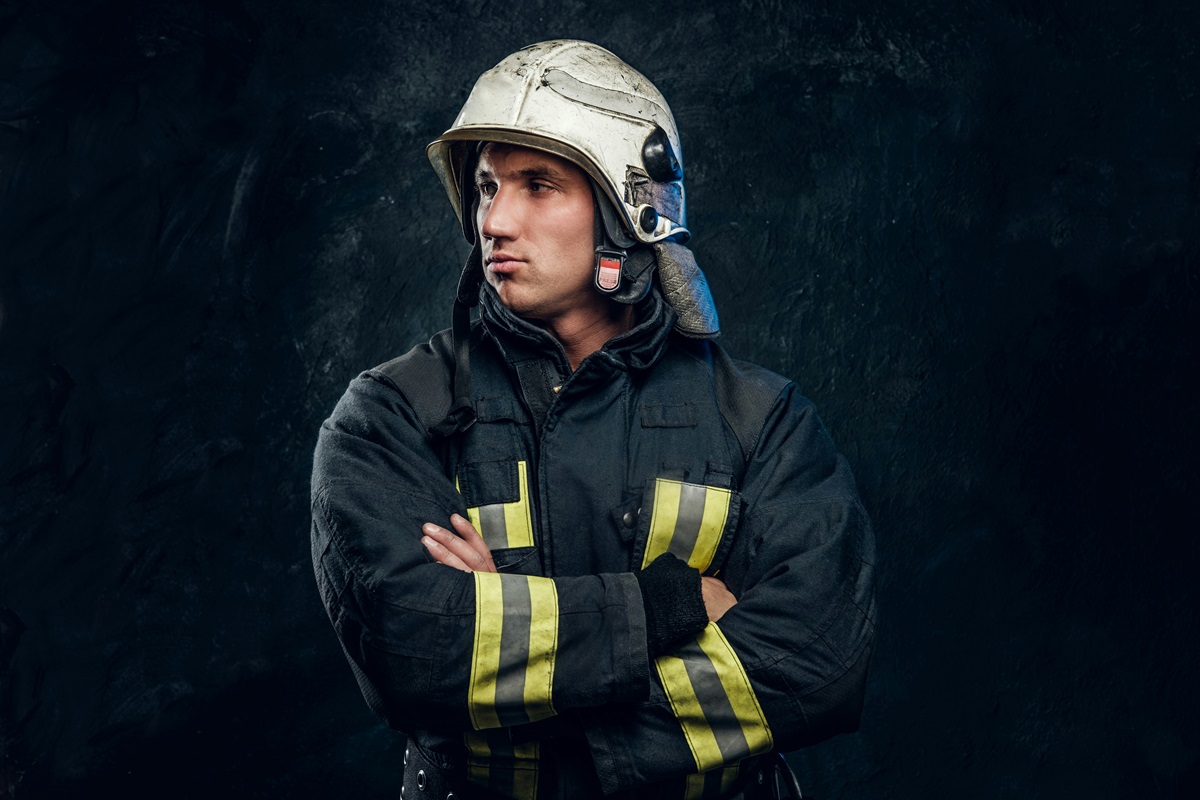
At the same time, innovations in flame retardant fabrics, fiber engineering, and smart fabrics are transforming the future of industrial protective apparel. From lightweight designs to eco-friendly manufacturing processes, the global market for FR clothing and FR workwear is evolving faster than ever before.
This article explores the latest trends shaping the future of flame retardant clothing in 2026 and what industrial buyers should pay attention to when selecting protective apparel solutions.
Why Flame Retardant Clothing Is Evolving Rapidly in 2026
The rapid development of flame retardant clothing is being driven by several major factors.
First, workplace safety awareness has increased significantly. Industries such as oil and gas, electrical utilities, metal fabrication, and chemical manufacturing face growing pressure to reduce workplace injuries and comply with stricter safety standards.
Second, workers today expect more than protection alone. Traditional FR clothing was often heavy, uncomfortable, and poorly ventilated. In 2026, companies are demanding lightweight, breathable, and ergonomic functional clothing that can improve both worker safety and productivity.
Third, advances in textile technology are accelerating innovation. New generations of functional fabric and engineered fibers are allowing manufacturers to create flame retardant clothing that combines:
Flame resistance
Anti-static protection
Arc flash resistance
Moisture management
Durability
Comfort
These trends are transforming modern FR workwear into highly technical protective systems rather than simple uniforms.
Smart Fabrics and Advanced Fiber Technologies
One of the biggest trends in flame retardant clothing in 2026 is the rise of advanced textile technologies and smart fabrics.
Lightweight High-Performance FR Fibers
Traditional protective garments were often bulky and restrictive. Today, manufacturers are developing lightweight flame retardant fabrics using advanced fibers such as:
Meta-aramid
Para-aramid
Modacrylic
High-performance FR cotton blends
These materials help reduce garment weight while maintaining excellent thermal protection.
Lightweight FR clothing is especially important for workers in hot environments where excessive heat stress can reduce efficiency and increase safety risks.
Blended Fabrics for Multi-Hazard Protection
Modern industrial environments often involve multiple workplace hazards. As a result, single-function garments are gradually being replaced by multi-functional flame retardant clothing.
New blended functional fabric technologies combine:
Flame resistance
Anti-static performance
Chemical splash resistance
Arc flash protection
Mechanical durability
This multi-hazard approach is becoming increasingly important in industries such as:
Oil & gas
Utilities
Petrochemical
Mining
Welding
As industrial risks become more complex, demand for versatile FR workwear continues to grow.
Improved Durability and Wash Resistance
Another important trend is enhanced garment lifespan.
Industrial buyers are looking for flame retardant clothing that maintains protection even after repeated industrial laundering. New fabric engineering methods improve:
Color fastness
Fabric strength
Shape retention
Flame resistance durability
High-quality flame retardant fabrics can now withstand dozens of wash cycles without losing protective performance.
This helps companies reduce long-term replacement costs while improving sustainability.
Moisture-Wicking and Breathability Innovations
Comfort is becoming a key purchasing factor for FR clothing buyers.
Manufacturers are now integrating:
Moisture-wicking fibers
Ventilation zones
Quick-dry technology
Breathable fabric construction
into modern functional clothing systems.
These innovations improve worker comfort during long shifts and reduce heat-related fatigue, especially in demanding industrial environments.
Sustainability Is Reshaping Flame Retardant Clothing
Sustainability is one of the most important trends influencing the future of flame retardant clothing in 2026.
Eco-Friendly FR Fabric Development
Many manufacturers are investing heavily in environmentally responsible flame retardant fabrics.
New developments focus on:
Reducing chemical waste
Lowering energy consumption
Using safer FR treatments
Minimizing environmental impact
Sustainable production is becoming a major competitive advantage in the global PPE industry.
Recycled and Sustainable Materials
The use of recycled fibers and eco-friendly raw materials is increasing rapidly.
Modern functional fabric development now includes:
Recycled polyester blends
Sustainable cotton
Bio-based fibers
Low-impact dyeing technologies
As environmental regulations tighten globally, more buyers are prioritizing sustainable FR clothing suppliers.
Longer Garment Lifecycles to Reduce Waste
Longer-lasting flame retardant clothing helps reduce textile waste and overall environmental impact.
Improved durability means:
Fewer garment replacements
Lower procurement costs
Reduced landfill waste
This trend aligns with the growing demand for sustainable industrial procurement practices.
Low-Impact Manufacturing Processes
Manufacturers are also adopting cleaner production technologies such as:
Water-saving dyeing systems
Energy-efficient finishing processes
Reduced-emission production lines
These innovations support the development of more sustainable flame retardant fabrics for the global market.
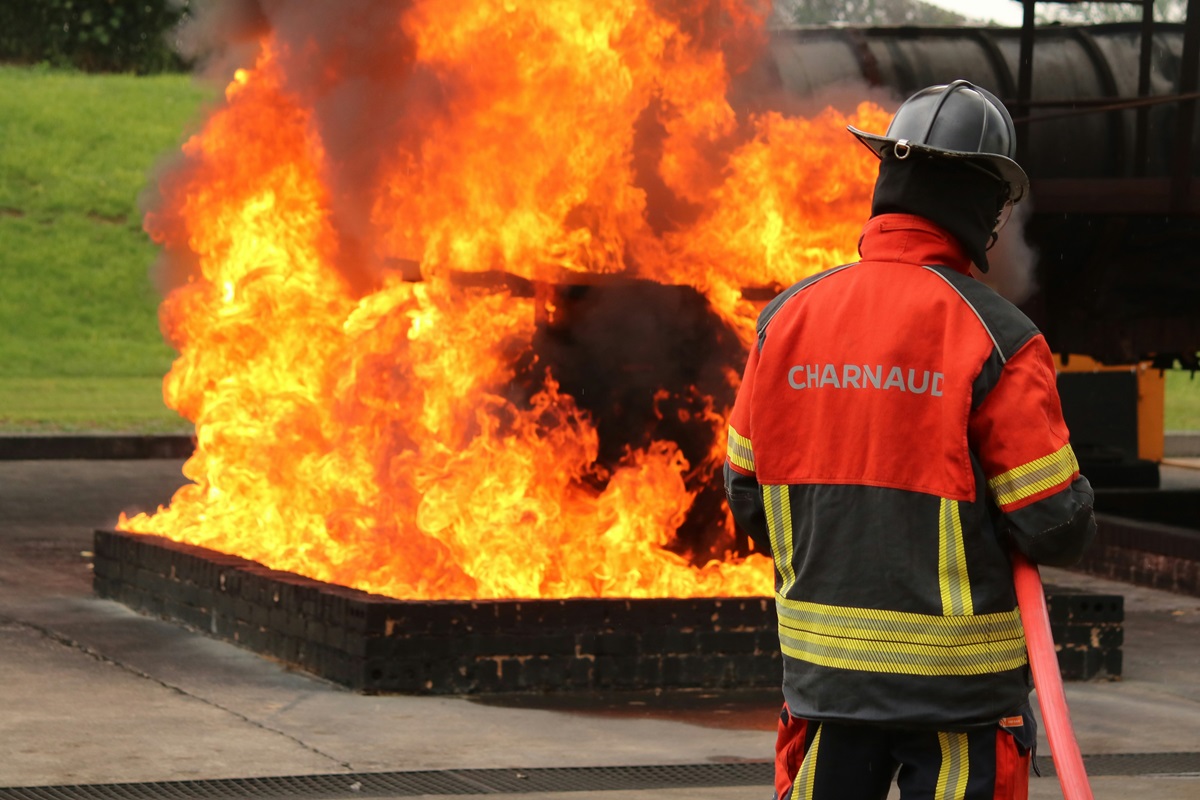
Multi-Functional Flame Retardant Clothing Is Becoming the Industry Standard
In 2026, industrial buyers increasingly prefer multi-functional flame retardant clothing rather than single-purpose garments.
Modern FR workwear often combines:
Flame resistance
Anti-static protection
Arc flash protection
Waterproof performance
Chemical resistance
High visibility
This trend is especially important for workers operating in hazardous environments where multiple risks exist simultaneously.
Multi-functional functional clothing improves safety while simplifying PPE management for employers.
As industrial operations become more complex, integrated protection systems are becoming the new industry standard.
The Growing Importance of Comfort and Ergonomic Design
Worker comfort is no longer considered optional in the flame retardant clothing industry.
Modern workers expect:
Better mobility
Stretch performance
Lightweight construction
Improved fit
Breathable materials
Manufacturers are now designing ergonomic FR clothing that supports natural body movement and reduces physical fatigue.
Popular innovations include:
Stretch panel construction
Articulated knees and elbows
Flexible lightweight functional fabric
Athletic-inspired workwear design
These improvements help increase worker acceptance and encourage proper PPE usage.
Key Industries Driving Demand for Flame Retardant Clothing in 2026
Several industries continue to drive global demand for flame retardant clothing.
Oil & Gas Industry
Workers face: Flash fire risks、Explosions、Chemical exposure
High-performance FR workwear remains essential for worker safety.
Electrical Utilities
Arc flash hazards continue to increase demand for advanced FR clothing with electrical protection capabilities.
Welding and Metal Fabrication
Workers require durable flame retardant fabrics that can withstand sparks, molten metal, and heat exposure.
Chemical Manufacturing
Chemical plants increasingly require multi-functional flame retardant clothing with anti-static and chemical-resistant properties.
Renewable Energy Industries
The expansion of renewable energy sectors such as battery manufacturing and electrical infrastructure is creating new demand for advanced functional clothing solutions.
Global Safety Standards and Compliance Trends
Compliance remains one of the most important considerations for industrial buyers purchasing flame retardant clothing.
Key international standards include:
| Standard | Region | Purpose |
| NFPA 2112 | North America | Flash fire protection |
| ASTM F1506 | North America | Arc flash protection |
| EN ISO 11612 | Europe | Heat and flame protection |
| EN 1149 | Europe | Anti-static performance |
Buyers increasingly prefer certified FR clothing suppliers that provide:
Third-party testing
Fabric traceability
Quality assurance documentation
Global compliance expectations continue to rise in 2026.
Digitalization and Smart PPE Trends
Digitalization is beginning to reshape the future of flame retardant clothing.
Emerging technologies include:
RFID-enabled garment tracking
Wearable safety monitoring
Integrated worker sensors
Connected PPE systems
Advanced smart fabrics may soon allow FR workwear to monitor:
Worker body temperature
Fatigue levels
Environmental hazards
Heat exposure
Although still developing, smart PPE technology is expected to become increasingly important over the next several years.
Future Outlook for Flame Retardant Clothing
The future of flame retardant clothing will focus on combining:
Safety
Sustainability
Comfort
Intelligence
Multi-functionality
As textile innovation continues, future functional fabric technologies will likely become:
Lighter
Stronger
More breathable
More sustainable
More connected
At the same time, global demand for certified FR clothing and FR workwear is expected to continue growing due to stricter safety regulations and rising industrial safety awareness.
Manufacturers that invest in advanced flame retardant fabrics, sustainability, and innovation will remain highly competitive in the global PPE market.
FAQ About Flame Retardant Clothing
What is the difference between flame resistant and flame retardant clothing?
Flame resistant garments are made from inherently flame-resistant fibers, while flame retardant clothing may use treated fabrics to achieve flame protection.
What industries require flame retardant clothing?
Industries such as oil & gas, utilities, welding, mining, chemical manufacturing, and electrical maintenance commonly require FR clothing.
How long does flame retardant clothing last?
The lifespan depends on fabric quality, washing frequency, and workplace conditions. High-quality flame retardant fabrics can maintain protection through many industrial wash cycles.
Can flame retardant clothing be washed repeatedly?
Yes. Modern FR workwear is designed for repeated industrial laundering while maintaining protective performance.
What is the best fabric for flame retardant clothing?
There is no single best material. Common materials used in functional fabric development include aramid fibers, modacrylic blends, and FR-treated cotton.
Is sustainable FR clothing becoming more popular?
Yes. Sustainability is becoming a major trend, and many buyers now prioritize eco-friendly and recyclable flame retardant clothing solutions.
Related News
Read More >-
![Cleanroom Clothing: The Ultimate Guide for Controlled Environments]()
Cleanroom Clothing: The Ultimate Guide for Controlled Environments
Learn everything about cleanroom clothing, including garment types, antistatic materials, ESD protection, key applications, and how to choose the right cleanroom garments for controlled environments.
-
![How to Choose Aramid Sewing Thread?]()
How to Choose Aramid Sewing Thread?
Learn how to choose the right aramid sewing thread for flame retardant clothing, industrial gloves, aerospace textiles, and high-heat applications. Compare meta aramid sewing thread vs para aramid sewing thread, key performance factors, and customization options.
-
![Exploring the Latest Innovations in Functional Fabrics]()
Exploring the Latest Innovations in Functional Fabrics
Discover how functional fabrics are transforming industries through smart textiles, advanced protective materials, sustainable fabric technologies, and next-generation applications in workwear, healthcare, sportswear, and industrial safety.
-
![Flame Retardant Polyester: Properties, Applications, Benefits, and Safety]()
Flame Retardant Polyester: Properties, Applications, Benefits, and Safety
Learn about flame retardant polyester, including its properties, applications, benefits, safety, certifications, and uses in flame retardant fabric and clothing.
-
![What Is a Modacrylic Fiber?]()
What Is a Modacrylic Fiber?
Explore what modacrylic fiber is, how it is manufactured, its key properties, applications, comparisons with other flame-resistant fibers, and its growing role in the future of protective textiles.
-
![What is An Inherent Flame Retardant Fabric?]()
What is An Inherent Flame Retardant Fabric?
Learn what inherent flame retardant fabric is, how it differs from treated FR fabric, its key advantages, common fibers like aramid fiber, and why it is widely used in flame retardant clothing for industrial safety applications.
-
![How to Identify Cut-Resistant Fabric?]()
How to Identify Cut-Resistant Fabric?
Learn how to identify high-quality cut resistant fabric through certifications, material composition, testing standards, and cut resistance levels. Discover the best fabrics for industrial safety applications and protective workwear.
-
![Are Nitrile Gloves Anti-Static? A Complete Guide for Industrial Buyers]()
Are Nitrile Gloves Anti-Static? A Complete Guide for Industrial Buyers
Learn how antistatic gloves, ESD gloves, and specially engineered nitrile gloves provide reliable ESD protection for electronics, cleanrooms, and industrial applications.