



How to Identify Cut-Resistant Fabric?
2026-05-08 10:25
In industries such as metal processing, automotive manufacturing, glass handling, logistics, and construction, worker safety is a top priority. One of the most important protective materials used in personal protective equipment (PPE) and cut resistant clothing is cut resistant fabric. However, with so many materials and performance claims on the market, many buyers and safety managers struggle to determine whether a fabric truly provides reliable cut protection.
Understanding how to identify high-quality cut resistant fabric is essential for selecting the right gloves, sleeves, jackets, or protective workwear. This guide explains the key identification methods, cut resistance standards, common materials, and future technology trends to help industrial buyers make informed decisions.
What Is Cut Resistant Fabric?
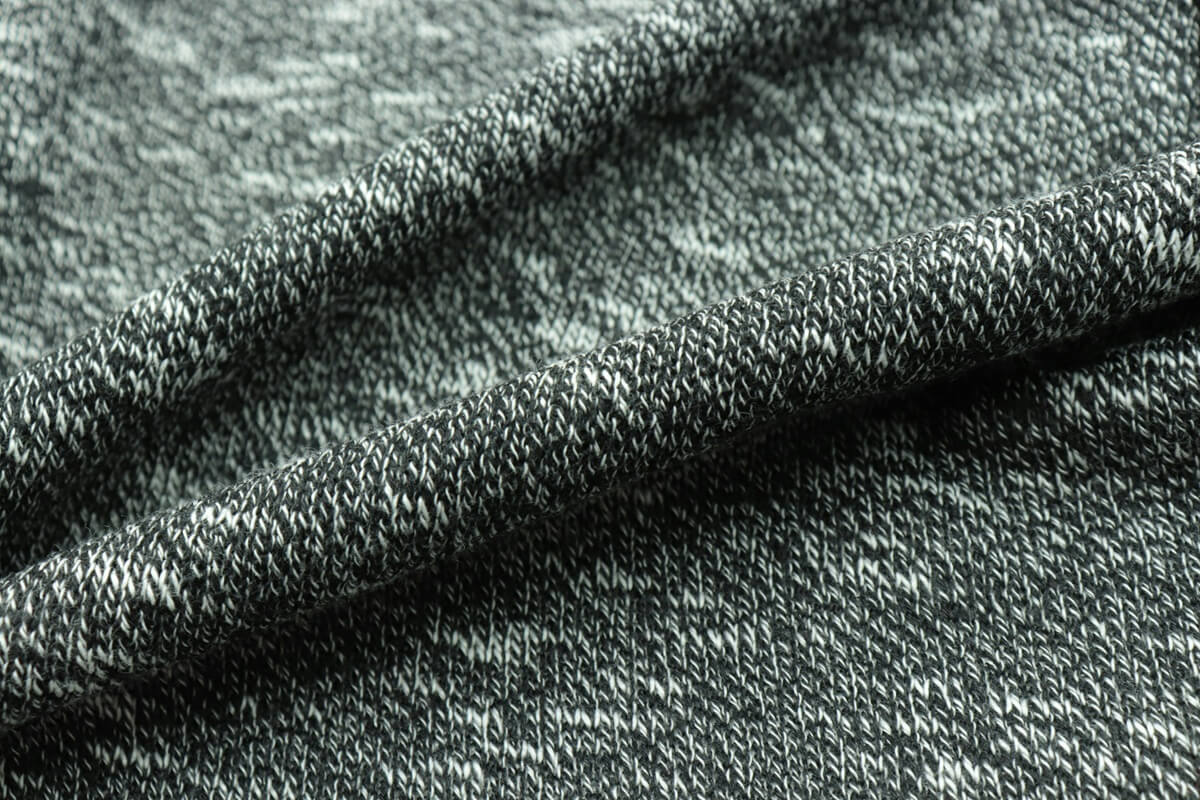
Cut resistant fabric is a specially engineered functional fabric designed to reduce the risk of injuries caused by sharp objects such as blades, glass, metal edges, or tools. Unlike ordinary fabrics, cut resistant fabric uses high-strength fibers and advanced weaving or knitting technologies to improve durability and resistance against cuts and tears.
It is important to understand that no material is completely “cut-proof.” Instead, cut resistant fabric is rated according to how much force it can withstand before being cut.
Common Applications of Cut Resistant Fabric
Safety gloves
Cut-resistant jacket
Industrial uniforms
Arm guards
Cut-resistant pants
Cut-resistant bags and covers
Today, cut resistant fabric is widely used in:
Automotive manufacturing
Glass production
Metal fabrication
Food processing
Logistics and warehousing
Electronics assembly
As workplace safety standards continue to improve globally, the demand for high-performance cut resistant fabric is growing rapidly.
The Most Reliable Ways to Identify Cut Resistant Fabric
Choosing the right cut resistant fabric requires more than simply reading marketing descriptions. Below are the most reliable methods to identify genuine protective materials.
Check Labels and Specifications
The easiest way to identify cut resistant fabric is to examine product labels and technical specifications.
Reliable manufacturers usually provide:
Cut resistance level
Material composition
Testing standards
Compliance certifications
Look for standards such as:
ANSI/ISEA 105
EN 388
ISO 13997
Examine the Fiber Composition
The performance of cut resistant fabric depends heavily on the fibers used in production.
Common Fibers Used in Cut Resistant Fabric
| Fiber Type | Main Features |
| HPPE (High-Performance Polyethylene) | Lightweight, flexible, strong |
| Aramid/Kevlar® | Heat resistant and durable |
| Stainless Steel Fiber | Extremely high cut resistance |
| Glass Fiber Blends | Enhanced strength |
| UHMWPE | xcellent abrasion and cut resistance |
Among these materials, HPPE-based cut resistant fabric has become increasingly popular because it offers a good balance between comfort, flexibility, and protection.
Evaluate Fabric Structure and Density
Another important way to identify high-quality cut resistant fabric is by evaluating its structure and density.
Generally, fabrics with:
Tight knitting patterns
Multi-layer construction
Reinforced yarn structures
provide better cut protection.
High-density cut resistant fabric can better distribute cutting force across the material surface, reducing penetration risk.
However, buyers should also balance: Comfort / Breathability / Flexibility / Weight
Overly thick fabric may reduce worker comfort and productivity.
Review Manufacturer Testing Reports
Reliable manufacturers conduct professional laboratory testing to verify the performance of their cut resistant fabric.
Important testing methods include:
Coup Test / TDM Test / ISO 13997 Testing
When sourcing cut resistant fabric, buyers should request:
Third-party test reports
Certification documents
Quality control records
This is especially important for industrial PPE applications where compliance and worker safety are critical.
Understanding Cut Resistance Levels
Cut resistance standards help buyers compare different types of cut resistant fabric more accurately.
ANSI Cut Levels Explained (A1–A9)
The ANSI/ISEA 105 standard is commonly used in North America.
| ANSI Level | Protection Level | Typical Applications |
| A1 | Low | Light assembly |
| A2-A3 | Moderate | General handling |
| A4-A5 | High | Glass and metal work |
| A6-A7 | Very High | Heavy industrial tasks |
| A8-A9 | Extreme | Hazardous cutting environments |
For example, cut resistant fabric rated ANSI A5 can withstand significantly higher cutting force than A3 materials.
EN 388 Cut Ratings Explained
EN 388 is the European standard for protective gloves and fabrics.
The standard evaluates:
Abrasion resistance
Blade cut resistance
Tear resistance
Puncture resistance
Modern EN 388 ratings often include letters such as: A B C D E F
“F” represents the highest level of cut resistance.
For international buyers, understanding both ANSI and EN 388 standards is important when comparing cut resistant fabric suppliers globally.
Which Cut Level Is Best for Different Industries?
Different workplaces require different levels of cut resistant fabric.
| Industry | Recommended Cut Level |
| Warehousing | A2-A3 |
| Automotive | A4-A5 |
| Glass Handling | A5-A7 |
| Metal Fabrication | A6-A8 |
| Food Processing | A3-A5 |
Choosing excessively high cut resistance may reduce comfort and dexterity, so buyers should select cut resistant fabric based on actual workplace hazards.
What Fabrics are Cut-Resistant?
Several advanced materials are commonly used to manufacture cut resistant fabric.
HPPE Fabric
HPPE is lightweight, flexible, and highly durable. It is one of the most widely used materials in modern cut resistant fabric production.
Kevlar® and Aramid Fabrics
Aramid-based cut resistant fabric offers excellent heat resistance in addition to cut protection.
Steel Fiber Blended Fabric
Steel-reinforced cut resistant fabric provides very high cut resistance for extreme industrial environments.
UHMWPE Fabric
Ultra-high molecular weight polyethylene offers exceptional strength while remaining lightweight.
Composite Fabrics
Many manufacturers now combine multiple fibers to create multi-functional cut resistant fabric with:
Cut resistance
Abrasion resistance
Heat resistance
Anti-static properties
How to Choose the Right Cut Resistant Fabric for Your Application
Selecting the right cut resistant fabric involves more than choosing the highest cut level.
Consider Workplace Hazards
Evaluate:
Blade exposure
Sharp edges
Repetitive cutting risks
Environmental conditions
Balance Protection and Comfort
Workers are more likely to wear protective equipment consistently when the cut resistant fabric is comfortable and flexible.
Check Durability
High-quality cut resistant fabric should maintain performance after:
Repeated washing
Daily wear
Abrasion exposure
Work with Experienced Manufacturers
A reliable supplier can recommend the most suitable cut resistant fabric based on:
Industry requirements
Safety standards
Customization needs
Professional manufacturers also provide testing support and OEM/ODM solutions.

Future Trends in Cut Resistant Fabric Technology
The global PPE industry continues to innovate, and cut resistant fabric technology is evolving rapidly.
Lightweight High-Performance Fibers
Modern cut resistant fabric is becoming:
Lighter
More breathable
More flexible
without sacrificing protection.
Sustainable Protective Textiles
Eco-friendly production, recyclable fibers, and sustainable fabric solutions are becoming increasingly important.
Manufacturers are developing cut resistant fabric that combines:
Flame resistance
Anti-static performance
Chemical resistance
Moisture management
Smart Protective Fabrics
Emerging technologies include wearable sensors integrated into cut resistant fabric to monitor worker safety in real time.
These innovations are helping industries improve both worker protection and productivity.
FAQ About Cut Resistant Fabric
What is the best cut-resistant material?
There is no single “best” material. The ideal cut resistant fabric depends on the application. HPPE, Kevlar®, UHMWPE, and steel fiber blends are all commonly used for different levels of protection.
Is Kevlar better than HPPE?
Kevlar® offers better heat resistance, while HPPE-based cut resistant fabric is generally lighter and more comfortable. The better option depends on the work environment.
What does ANSI A5 mean?
ANSI A5 indicates that the cut resistant fabric can withstand a relatively high level of cutting force, making it suitable for industries such as automotive manufacturing and glass handling.
Does cut resistant fabric wear out over time?
Yes. Repeated abrasion, washing, and heavy use can gradually reduce the effectiveness of cut resistant fabric. Regular inspection and replacement are recommended.
Can cut resistant fabric be washed repeatedly?
Most modern cut resistant fabric materials are designed for repeated washing. However, buyers should always follow manufacturer care instructions to maintain performance and durability.
Conclusion
Identifying high-quality cut resistant fabric is essential for ensuring worker safety and meeting industrial protection standards. By checking certifications, analyzing fiber composition, reviewing testing reports, and understanding cut resistance levels, buyers can make more informed purchasing decisions.
As industries continue to demand safer and more advanced PPE solutions, modern cut resistant fabric technology will keep evolving toward lighter, stronger, and more multifunctional protective textiles. Choosing the right material not only improves workplace safety but also enhances comfort, productivity, and long-term value.
Related News
Read More >-
![What is Level 5 Cut Resistant Clothing?]()
What is Level 5 Cut Resistant Clothing?
-
![Why the Electronics Industry Relies on Antistatic Fabric]()
Why the Electronics Industry Relies on Antistatic Fabric
-
![Why Antistatic Fabric Is Essential in Pharmaceutical Manufacturing]()
Why Antistatic Fabric Is Essential in Pharmaceutical Manufacturing
Explore why antistatic fabric has become an essential material in pharmaceutical manufacturing, how it works, its advantages over ordinary fabrics, and what buyers should consider when selecting pharmaceutical workwear.
-
![Top 10 Industries That Use Antistatic Fabric]()
Top 10 Industries That Use Antistatic Fabric
Discover the top 10 industries that use antistatic fabric, from electronics and pharmaceuticals to food processing, and learn how it improves safety and quality.
-
![What are Specialty Fabrics?]()
What are Specialty Fabrics?
Discover what specialty fabrics are, their key features, materials, and industrial applications. Explore innovations in functional fabric, flame retardant fabric, antistatic fabric, cut resistant fabric, and sustainable textile technologies.
-
![Cleanroom Clothing: The Ultimate Guide for Controlled Environments]()
Cleanroom Clothing: The Ultimate Guide for Controlled Environments
Learn everything about cleanroom clothing, including garment types, antistatic materials, ESD protection, key applications, and how to choose the right cleanroom garments for controlled environments.
-
![How to Choose Aramid Sewing Thread?]()
How to Choose Aramid Sewing Thread?
Learn how to choose the right aramid sewing thread for flame retardant clothing, industrial gloves, aerospace textiles, and high-heat applications. Compare meta aramid sewing thread vs para aramid sewing thread, key performance factors, and customization options.
-
![Exploring the Latest Innovations in Functional Fabrics]()
Exploring the Latest Innovations in Functional Fabrics
Discover how functional fabrics are transforming industries through smart textiles, advanced protective materials, sustainable fabric technologies, and next-generation applications in workwear, healthcare, sportswear, and industrial safety.