



How to Choose Aramid Sewing Thread?
2026-06-19 12:31
In industries where extreme heat, flame exposure, and mechanical stress are common, choosing the correct aramid sewing thread is critical. Whether manufacturing protective apparel, aerospace textiles, industrial gloves, or filtration systems, the sewing thread directly impacts product safety, durability, and compliance with international standards.
As global demand for advanced protective textiles continues to grow in 2026, manufacturers are placing greater emphasis on high-performance materials such as aramid yarn, high-strength reinforcement fibers, and specialized flame retardant yarn solutions. However, not all aramid threads perform the same. Understanding the differences between thread types, performance factors, and application requirements is essential when selecting the best aramid sewing thread for industrial use.
What Is Aramid Sewing Thread?
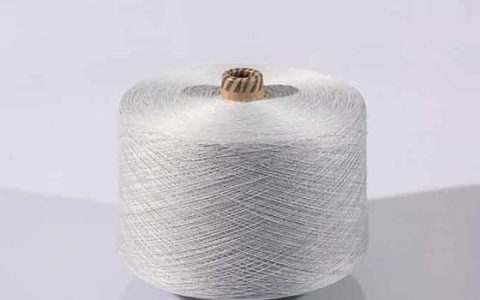
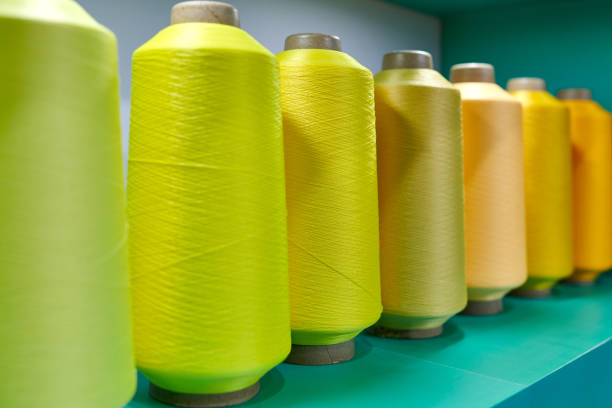
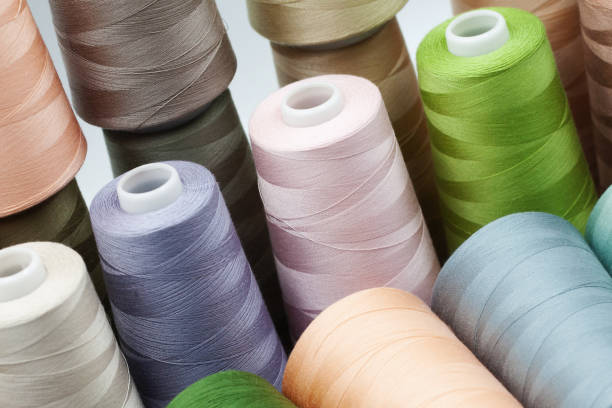
Aramid sewing thread is a high-performance industrial sewing thread made from synthetic aromatic polyamide fibers. These fibers are engineered to deliver exceptional heat resistance, flame retardancy, tensile strength, and abrasion resistance. Unlike conventional polyester or nylon threads, aramid-based threads can maintain structural stability even when exposed to extreme temperatures and harsh industrial environments.
The two most common categories are para aramid sewing thread and meta aramid sewing thread. Both are manufactured from advanced aramid yarn, but they are designed for different performance priorities. Meta-aramid focuses more on flame and heat resistance, while para-aramid is known for superior strength and cut resistance.
Today, aramid sewing thread is widely used in industries that demand high safety standards. Applications include flame retardant clothing, firefighter suits, military uniforms, automotive insulation systems, aerospace textiles, industrial filtration equipment, and heavy-duty protective gloves. As protective textile technology evolves, manufacturers are increasingly combining flame retardant yarn systems with aramid-based sewing solutions to improve product reliability and service life.
Why Choosing the Right Aramid Sewing Thread Matters
Selecting the proper aramid sewing thread is not simply a sewing decision; it directly influences the safety performance and durability of the final product. Even when protective fabrics meet high safety standards, weak seams can compromise the effectiveness of the entire garment or industrial product.
This issue is especially important in industries involving fire hazards, molten metal exposure, electrical arc risks, or high-temperature industrial processes. In these environments, standard sewing thread may melt or fail under stress, while properly selected aramid sewing thread can maintain seam integrity and improve overall protection.
Another important factor is long-term operational efficiency. Poor-quality thread often leads to thread breakage, skipped stitches, uneven seam quality, and machine downtime. High-quality aramid sewing thread helps manufacturers improve production consistency while reducing maintenance costs.
Modern industrial buyers are also paying closer attention to lightweight protective textiles. Advanced aramid yarn technology allows manufacturers to create thinner and lighter sewing threads while still maintaining excellent mechanical strength and thermal protection. This trend is becoming increasingly important in industries such as aerospace, electric vehicles, and next-generation firefighter equipment.
Meta-Aramid vs Para-Aramid Sewing Thread
Understanding the differences between meta aramid sewing thread and para aramid sewing thread is essential for selecting the right material for industrial applications.
Meta-Aramid Sewing Thread
Meta aramid sewing thread is mainly valued for its excellent flame resistance and long-term thermal stability. It performs exceptionally well in environments where continuous heat exposure is common. Unlike ordinary synthetic fibers, meta-aramid does not easily ignite, melt, or drip when exposed to flames.
Because of these properties, this type of aramid sewing thread is commonly used in flame retardant clothing, industrial workwear, electrical protection garments, and thermal insulation products. It is often combined with high-performance flame retardant yarn systems to enhance overall protective performance.
Another advantage of meta-aramid is its relatively soft texture and flexibility, which can improve sewing efficiency and seam comfort in wearable protective products.
Para-Aramid Sewing Thread
Para aramid sewing thread is primarily designed for applications requiring high tensile strength and exceptional mechanical durability. Compared with many industrial sewing materials, para-aramid offers an extremely high strength-to-weight ratio along with excellent abrasion and cut resistance.
This type of aramid sewing thread is widely used in industrial gloves, tactical equipment, automotive reinforcement textiles, aerospace materials, and heavy-duty industrial seams. Its ability to withstand repeated mechanical stress makes it especially suitable for applications involving friction, tension, or impact.
While para aramid sewing thread also provides good heat resistance, its greatest advantage lies in structural reinforcement rather than long-term flame exposure protection. For this reason, some manufacturers combine para-aramid and meta-aramid fibers within the same product to achieve a balance between strength and thermal performance.
Key Factors to Consider When Choosing Aramid Sewing Thread
When selecting aramid sewing thread, manufacturers should evaluate several important performance factors based on the final application environment.
Heat resistance is one of the most critical considerations. Some industrial products require continuous exposure to elevated temperatures, while others must survive sudden flame contact or thermal shock. Understanding the actual operating temperature helps determine whether meta aramid sewing thread or para aramid sewing thread is more suitable.
Tensile strength is equally important, especially for products exposed to mechanical stress. Industrial gloves, tactical gear, and reinforced protective products often require high-strength aramid sewing thread capable of maintaining seam stability under repeated tension.
Flame retardant performance should also match the protective fabric system. In products such as flame retardant clothing, the sewing thread must work together with surrounding materials and flame retardant yarn components to ensure consistent protection across the entire garment.
Abrasion resistance becomes critical in environments involving friction and repeated movement. High-quality aramid yarn can significantly improve seam durability and reduce product wear over time.
Chemical resistance is another key consideration for industrial applications. Some working environments expose textiles to oils, solvents, acids, or alkalis. Choosing chemically stable aramid sewing thread helps maintain product performance in harsh conditions.
Manufacturers should also consider sewing machine compatibility. Premium-quality threads typically offer smoother lubrication, better flexibility, and more stable tension control, helping reduce thread breakage and production interruptions.
How to Choose Aramid Sewing Thread for Different Applications
Flame Retardant Clothing
Manufacturers of flame retardant clothing generally prioritize flame resistance, thermal stability, and long-term durability. In these applications, meta aramid sewing thread is often the preferred solution because it maintains seam integrity even during prolonged heat exposure.
As global workplace safety regulations continue to tighten, many protective garment manufacturers are also integrating advanced flame retardant yarn technologies alongside aramid sewing systems to improve overall garment protection.

Firefighter and Emergency Response Gear
Firefighter apparel faces some of the most demanding working environments. These garments must withstand direct flame exposure, high temperatures, physical stress, and repeated industrial washing.
For these applications, manufacturers often combine meta aramid sewing thread and reinforced para aramid sewing thread to achieve both flame resistance and structural durability. Hybrid seam systems have become increasingly common in next-generation firefighter protective clothing.
Industrial Protective Gloves
Industrial protective gloves require excellent cut resistance and seam strength. Since gloves are frequently exposed to friction and mechanical stress, para aramid sewing thread is commonly selected for these applications.
Its high tensile strength and abrasion resistance help improve glove durability while maintaining flexibility and worker comfort.
Automotive and Aerospace Textiles
The automotive and aerospace industries increasingly rely on lightweight, heat-resistant textile materials. Electric vehicle battery systems, thermal insulation covers, and aerospace composite structures all require advanced reinforcement solutions.
High-strength para aramid sewing thread is widely used in these industries because it combines excellent mechanical performance with relatively low weight. As thermal management becomes more important in electric mobility and aerospace engineering, demand for advanced aramid yarn products continues to grow.
Filtration and Insulation Products
Industrial filtration systems and thermal insulation products often operate continuously under elevated temperatures. In these environments, long-term heat resistance is more important than mechanical strength alone.
For this reason, meta aramid sewing thread is frequently used in filtration bags, insulation blankets, and thermal protection systems. Its stable thermal performance helps extend product lifespan in demanding industrial settings.
How to Identify High-Quality Aramid Sewing Thread
Not all aramid sewing thread products provide the same level of quality and performance. Buyers should carefully evaluate technical specifications, manufacturing consistency, and supplier reliability before making purchasing decisions.
One important indicator is thread uniformity. High-quality thread maintains a consistent diameter throughout the spool, which improves sewing stability and seam appearance. Inconsistent thread thickness may cause sewing defects or machine interruptions.
Tensile strength testing is another critical factor. Reliable aramid yarn manufacturers conduct strict quality testing to ensure the thread can withstand industrial stress conditions.
Heat resistance performance should also be verified through professional thermal aging and flame exposure testing. In applications involving flame retardant clothing, verified flame resistance is especially important for maintaining compliance with safety standards.
Color stability, low breakage rates, and proper lubrication are additional indicators of premium-quality aramid sewing thread. Many industrial buyers now request third-party testing reports and certification documentation to ensure product consistency and reliability.
Customization Options for Industrial Applications
As industrial textile applications become more specialized, manufacturers increasingly require customized aramid sewing thread solutions tailored to specific production environments.
Customization options may include thread sizing, color matching, lubrication treatments, spool packaging, twist configurations, and UV-resistant coatings. These modifications can improve sewing efficiency while helping the final product meet precise technical requirements.
Some manufacturers also develop blended flame retardant yarn systems that combine flexibility, durability, and enhanced thermal performance. Customized thread structures can improve compatibility with automated industrial sewing equipment and reduce production downtime.
Sustainability is also becoming an important industry trend. Many textile companies are now looking for environmentally responsible production processes, recyclable packaging solutions, and long-life aramid yarn materials that help reduce waste and improve product lifespan.
FAQ About Aramid Sewing Thread
What temperature can aramid sewing thread withstand?
Most industrial-grade aramid sewing thread products can withstand continuous temperatures above 200°C, while certain specialized products can tolerate much higher short-term exposure.
What is the difference between para aramid sewing thread and meta aramid sewing thread?
Para aramid sewing thread focuses on high strength and cut resistance, while meta aramid sewing thread provides better flame resistance and thermal stability.
Can aramid sewing thread be used in flame retardant clothing?
Yes. Aramid sewing thread is widely used in flame retardant clothing because it maintains seam strength under heat and flame exposure.
Is aramid sewing thread stronger than polyester thread?
Yes. Most para aramid sewing thread products are significantly stronger than conventional polyester sewing threads.
Why is flame retardant yarn important in protective textiles?
Flame retardant yarn helps improve textile safety by reducing ignition risk and supporting thermal protection performance during heat exposure.
Conclusion
Choosing the right aramid sewing thread is essential for ensuring the safety, durability, and long-term reliability of industrial textile products. Different industries require different performance characteristics, making it important to understand the distinctions between meta aramid sewing thread and para aramid sewing thread before making a selection.
From flame retardant clothing and firefighter gear to aerospace insulation and industrial filtration systems, modern protective textiles increasingly depend on advanced aramid yarn and flame retardant yarn technologies. By selecting high-quality materials and working with experienced suppliers, manufacturers can improve product performance, production efficiency, and compliance with evolving global safety standards.
Related News
Read More >-
![What Is an Antistatic Jacket?]()
What Is an Antistatic Jacket?
Learn what an antistatic jacket is, how it works, the materials used, key applications, ESD standards, and how to choose the right jacket for work.
-
![What Is Stainless Steel Yarn Used For?]()
What Is Stainless Steel Yarn Used For?
Discover what stainless steel yarn is used for, from antistatic and EMI shielding fabrics to smart textiles, heating, and protective clothing.
-
![What Is Stainless Steel Yarn?]()
What Is Stainless Steel Yarn?
What is stainless steel yarn? Learn about its conductivity, properties, types, applications, and uses in antistatic, ESD, and functional textiles.
-
![What Are Flame Retardant Textiles?]()
What Are Flame Retardant Textiles?
Learn what flame retardant textiles are, how they work, key fabric types, applications, standards, and how to choose flame-resistant fabrics for protective clothing.
-
![What is Cotton Flame Retardant Fabric?]()
What is Cotton Flame Retardant Fabric?
Explains what cotton flame retardant fabric is, how it works, how it differs from inherent FR materials, where it is used, what standards buyers should consider, and how to select the right fabric for a protective clothing program.
-
![Which is Better, Aramid or Kevlar Fabric?]()
Which is Better, Aramid or Kevlar Fabric?
Compare aramid fabric vs Kevlar fabric, including strength, flame resistance, applications, and key differences to choose the right protective material.
-
![What Is Aramid Fabric?]()
What Is Aramid Fabric?
Learn what aramid fabric is, its key properties, the differences between meta aramid fabric and para aramid fabric, common applications, and how to choose the right flame retardant fabric for industrial protective clothing.
-
![What is Level 5 Cut Resistant Clothing?]()
What is Level 5 Cut Resistant Clothing?