


What Is a Modacrylic Fiber?
2026-05-29 15:59
As global industrial safety standards continue to rise, the demand for high-performance protective textiles is growing rapidly across industries such as oil & gas, electrical utilities, petrochemical processing, and manufacturing. Among the many materials used in modern protective apparel, modacrylic fiber has become one of the most important components in advanced fr fabrics and industrial safety garments.
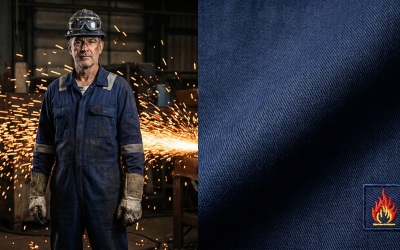
Known for its inherent flame-resistant properties, comfort, and versatility, modacrylic fiber is widely used in fr clothing, arc flash protective apparel, and other forms of flame retardant clothing. Compared with ordinary textile fibers, modacrylic fiber offers a unique balance between safety performance and wearer comfort, making it a preferred choice for modern industrial PPE solutions.
In this article, we will explore what modacrylic fiber is, how it is manufactured, its key properties, applications, comparisons with other flame-resistant fibers, and its growing role in the future of protective textiles.
Understanding Modacrylic Fiber
What Is Modacrylic Fiber Made Of?
Modacrylic fiber is a type of synthetic copolymer fiber primarily made from acrylonitrile combined with other chemical components such as vinyl chloride or vinylidene chloride. These additional components help provide the fiber with its inherent flame-resistant characteristics.
Unlike ordinary synthetic fibers, modacrylic fiber is classified as a flame retardant fiber because its flame resistance is built directly into the molecular structure of the material rather than being added through chemical surface treatments.
This inherent flame resistance allows modacrylic fabrics to maintain protective performance even after repeated washing and long-term use.
Today, many manufacturers use modacrylic fiber in advanced fr fabrics designed for industrial workwear and protective uniforms.
How Modacrylic Fiber Is Manufactured
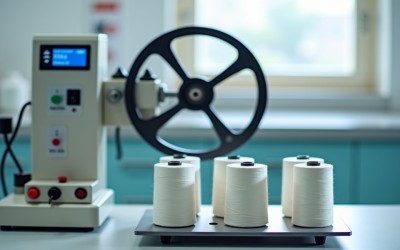
The manufacturing process of modacrylic fiber involves several highly controlled stages designed to optimize both safety performance and textile quality.
First, raw polymer materials are dissolved into a spinning solution, which is then extruded through spinnerets to form continuous filaments. After the spinning stage, the fibers go through a series of treatments including stretching, washing, heat-setting, crimping, and finishing processes. These manufacturing steps help improve fiber strength, softness, dimensional stability, and long-term flame resistance performance.
Modern textile engineering also enables manufacturers to blend modacrylic fiber with materials such as cotton, viscose, aramid fiber, and carbon fiber. By combining different fiber characteristics, manufacturers can develop advanced fr fabrics that offer enhanced comfort, durability, anti-static performance, and multi-hazard protection for industrial applications.
Why Modacrylic Fiber Is Considered Flame Resistant
One of the biggest reasons why modacrylic fiber is so widely used in flame retardant clothing is its inherent flame resistance.
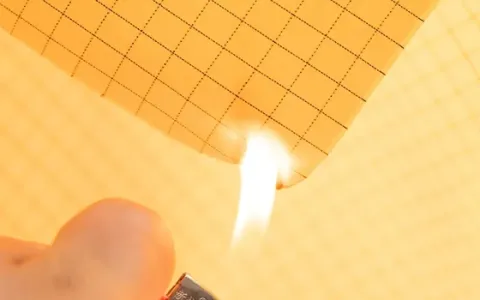
When exposed to flame or high heat, modacrylic fiber:
Resists ignition
Self-extinguishes when the ignition source is removed
Does not easily melt or drip
Produces a stable char barrier
These characteristics help reduce burn injuries in hazardous work environments.
Unlike chemically treated textiles, the flame-resistant performance of modacrylic fiber does not wash out over time. This long-term stability makes it highly valuable for industrial PPE manufacturers.
To better understand how flame-resistant textiles work, you can also read our guide on flame retardant fabric.
Key Properties of Modacrylic Fiber
The growing popularity of modacrylic fiber is closely related to its excellent balance of safety, comfort, and durability.
Inherent Flame Resistance
The most important feature of modacrylic fiber is its permanent flame-resistant capability. Because the protection is built into the fiber structure itself, the material maintains stable performance throughout the garment lifecycle.
Softness and Comfort
Compared with some high-performance synthetic fibers, modacrylic fabrics offer a softer hand feel and improved wearer comfort.
Lightweight Structure
Modern modacrylic fiber materials are lightweight, helping reduce worker fatigue during long shifts.
Good Dyeability
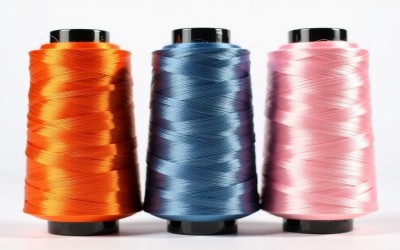
Modacrylic fiber accepts dyes well, allowing manufacturers to produce attractive and color-stable fr clothing.
Moisture and Chemical Resistance
Many modacrylic fabrics provide good resistance to moisture, chemicals, and industrial contaminants.
Blend Compatibility
Another major advantage of modacrylic fiber is its excellent compatibility with other textile materials, including cotton, viscose, aramid fiber, and anti-static fibers. This blending flexibility allows manufacturers to develop advanced multi-functional fr fabrics that combine flame resistance, comfort, durability, and anti-static performance in a single textile solution.
This flexibility supports the development of advanced multi-functional flame retardant clothing.
Why Modacrylic Fiber Is Widely Used in Protective Textiles
Modern industrial PPE requires more than basic flame resistance alone. Workers now expect:
Comfort
Breathability
Durability
Flexibility
Multi-hazard protection
This is where modacrylic fiber performs exceptionally well.
Because of its balanced properties, modacrylic fiber is widely used in:
Industrial uniforms
Arc flash protective garments
Oil & gas workwear
Electrical utility apparel
Petrochemical PPE
Welding garments
Manufacturers increasingly choose modacrylic fabrics because they can combine:
Flame resistance
Anti-static performance
Moisture management
Lightweight comfort
As workplace safety standards continue to evolve globally, demand for advanced fr fabrics containing modacrylic fiber is expected to grow steadily.
Modacrylic Fiber vs Other Flame Resistant Fibers
Modacrylic vs Aramid Fiber
Both modacrylic fiber and aramid fiber are commonly used in protective textiles, but they offer different performance characteristics.
| Feature | Modacrylic Fiber | Aramid Fiber |
| Flame Resistance | Excellent | Excellent |
| Comfort | Softer | Slightly stiffer |
| Cost | Moderate | Higher |
| Heat Resistance | Good | Very high |
| Weight | Lightweight | Lightweight |
Aramid fiber is often preferred for extreme heat environments, while modacrylic fiber is popular for applications requiring better comfort and cost efficiency.
Modacrylic vs FR Cotton
FR cotton is widely used in industrial workwear because of its comfort and affordability. However, unlike modacrylic fiber, FR cotton usually relies on chemical treatments for flame resistance.
| Feature | Modacrylic Fiber | Aramid Fiber |
| Flame Resistance | Inherent | Chemically treated |
| Wash Durability | Excellent | May decline over time |
| Comfort | High | High |
| Longevity | Longer lifespan | Moderate |
This makes modacrylic fabrics more reliable for long-term industrial use.
Modacrylic vs Polyester Blends
Standard polyester is not naturally flame resistant and may melt when exposed to heat.
In contrast, modacrylic fiber offers significantly better thermal protection, making it far more suitable for flame retardant clothing applications.
Which Fiber Is Best for FR Clothing?
There is no single “best” solution for every application.
The ideal fiber depends on:
Workplace hazards
Heat exposure levels
Comfort requirements
Budget considerations
Industry standards
In many cases, manufacturers combine modacrylic fiber with aramid fiber and other materials to create optimized fr fabrics for specific industries.
Common Applications of Modacrylic Fiber
Because of its versatility, modacrylic fiber is used across many industries and textile categories.
Industrial Protective Apparel
One of the largest applications is industrial fr clothing and flame retardant clothing.
Electrical Utility Workwear
Arc flash protection garments often use modacrylic fabrics because of their inherent FR properties.
Oil & Gas Industry
Workers in hazardous environments require durable and comfortable protective apparel.
Military and Emergency Response
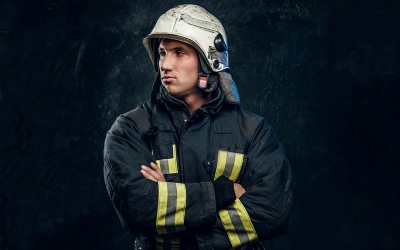
Many uniforms and emergency response garments contain modacrylic fiber blends for thermal protection.
Transportation and Interior Textiles
Certain transportation interiors also use flame retardant fiber materials for fire safety compliance.
Faux Fur and Specialty Textiles
Outside industrial applications, modacrylic fiber is also used in wigs, faux fur, and decorative textiles because of its soft texture.
How Modacrylic Fiber Improves Modern FR Fabrics
The future of industrial PPE increasingly depends on advanced multi-functional textiles.
Modern fr fabrics containing modacrylic fiber now offer:
Flame resistance
Arc flash protection
Anti-static performance
Breathability
Moisture management
Lightweight flexibility
Textile innovation is also helping manufacturers develop:
More sustainable modacrylic fabrics
Improved durability
Better ergonomic comfort
Enhanced wash resistance
As industries seek safer and more comfortable PPE, modacrylic fiber continues to play a central role in the evolution of next-generation flame retardant clothing.
How to Choose High-Quality Modacrylic Fiber Fabrics
When selecting modacrylic fiber textiles for industrial use, buyers should carefully evaluate several key factors to ensure the fabric meets both safety requirements and workplace performance expectations.
One of the most important considerations is the fiber blend ratio. Different material combinations can significantly affect the protection level, comfort, breathability, durability, and overall wearability of the fabric. For example, blending modacrylic fiber with cotton may improve comfort, while combining it with aramid fiber can enhance thermal protection and mechanical strength.
Buyers should also review safety certifications carefully. Reliable fr fabrics should comply with internationally recognized standards such as NFPA 2112, ASTM F1506, EN ISO 11612, and EN 1149. These certifications help verify the flame resistance, arc flash protection, and anti-static performance of the textile.
Fabric weight and durability are also critical factors. Different industrial environments may require different fabric constructions depending on climate conditions, work intensity, and hazard exposure levels. Lightweight fabrics may improve comfort in hot environments, while heavier constructions often provide increased durability and protection in demanding workplaces.
Finally, industry-specific requirements should always be considered. Sectors such as oil & gas, electrical utilities, welding, and petrochemical processing may require different levels of thermal, mechanical, and multi-hazard protection. Working with experienced manufacturers can help buyers choose the most suitable modacrylic fabrics for their specific applications and compliance needs.
FAQ About Modacrylic Fiber
Is modacrylic fiber flame resistant?
Yes. Modacrylic fiber is inherently flame resistant because the protective properties are built into the fiber structure itself.
What is modacrylic fiber used for?
Modacrylic fiber is widely used in:
fr clothing
flame retardant clothing
Industrial PPE
Arc flash apparel
Faux fur textiles
Transportation interiors
Is modacrylic better than cotton for FR clothing?
In many industrial applications, modacrylic fiber offers more durable flame resistance than chemically treated cotton fabrics.
Can modacrylic fabrics be washed repeatedly?
Yes. High-quality modacrylic fabrics maintain flame resistance after repeated industrial laundering.
What industries use modacrylic fiber?
Industries such as oil & gas, utilities, welding, petrochemical processing, and manufacturing commonly use modacrylic fiber in protective apparel.
Is modacrylic fiber comfortable to wear?
Yes. One major advantage of modacrylic fiber is its soft texture and lightweight comfort compared with some other high-performance protective fibers.
Related News
Read More >-
![What is An Inherent Flame Retardant Fabric?]()
What is An Inherent Flame Retardant Fabric?
Learn what inherent flame retardant fabric is, how it differs from treated FR fabric, its key advantages, common fibers like aramid fiber, and why it is widely used in flame retardant clothing for industrial safety applications.
-
![Latest Trends In Flame Retardant Clothing 2026]()
Latest Trends In Flame Retardant Clothing 2026
This article explores the latest trends shaping the future of flame retardant clothing in 2026 and what industrial buyers should pay attention to when selecting protective apparel solutions.
-
![How to Identify Cut-Resistant Fabric?]()
How to Identify Cut-Resistant Fabric?
Learn how to identify high-quality cut resistant fabric through certifications, material composition, testing standards, and cut resistance levels. Discover the best fabrics for industrial safety applications and protective workwear.
-
![Are Nitrile Gloves Anti-Static? A Complete Guide for Industrial Buyers]()
Are Nitrile Gloves Anti-Static? A Complete Guide for Industrial Buyers
Learn how antistatic gloves, ESD gloves, and specially engineered nitrile gloves provide reliable ESD protection for electronics, cleanrooms, and industrial applications.
-
![Safety Workwear: Why Is It Important for Employees?]()
Safety Workwear: Why Is It Important for Employees?
Discover why safety workwear is essential for employees. Learn about protective workwear types, benefits, and how specialty workwear like flame retardant and antistatic clothing improves safety.
-
![How ESD Clothing Works: Principles, Materials, and Industrial Applications]()
How ESD Clothing Works: Principles, Materials, and Industrial Applications
This article explores the science behind ESD clothing, including its working principles, materials, and real-world applications across modern industries.
-
![Unveiling the Technology Behind Conductive and Anti-Static Yarns]()
Unveiling the Technology Behind Conductive and Anti-Static Yarns
-
![The Essential Science and Innovation of Flame Retardant Yarns]()
The Essential Science and Innovation of Flame Retardant Yarns