




Flame Retardant Polyester: Properties, Applications, Benefits, and Safety
2026-06-05 16:23
In industries where fire hazards are a constant concern, selecting the right textile materials is critical. Among the many advanced textile solutions available today, flame retardant polyester has become one of the most widely used materials due to its excellent balance of safety, durability, and cost-effectiveness. From industrial workwear and transportation interiors to protective textiles and home furnishings, flame retardant polyester offers reliable fire protection while maintaining the performance characteristics of conventional polyester.
As emand for high-performance functional fabric continues to grow, manufacturers and end users are increasingly turning to flame retardant polyester to meet strict safety requirements without sacrificing comfort or appearance. This article explores the properties, manufacturing process, applications, benefits, and safety considerations of flame retardant polyester, helping buyers make informed sourcing decisions.
What Is Flame Retardant Polyester?
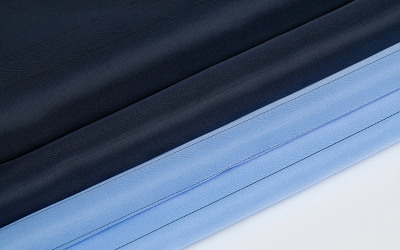
Flame retardant polyester is a specially engineered polyester fiber designed to resist ignition, slow flame spread, and reduce heat release when exposed to fire. Unlike conventional polyester, which can melt and burn rapidly when exposed to high temperatures, flame retardant polyester incorporates flame-retardant technologies that significantly improve its fire resistance.
Depending on the manufacturing method, flame retardancy may be achieved through the incorporation of flame-retardant additives during polymerization or through chemical modifications of the polyester structure itself. The most advanced forms of flame retardant polyester provide permanent flame resistance that remains effective throughout the fabric's service life and repeated laundering cycles.
Because of its combination of fire protection, mechanical strength, and versatility, flame retardant polyester has become an important material in the production of flame retardant fabric and protective textile solutions.
How Flame Retardant Polyester Is Manufactured
The production of flame retardant polyester begins with the modification of standard polyester polymers. During the polymerization process, flame-retardant compounds are integrated into the molecular structure of the fiber. This approach creates inherent flame resistance rather than relying solely on surface treatments.
The manufacturing process typically includes:
Polymer modification with flame-retardant components
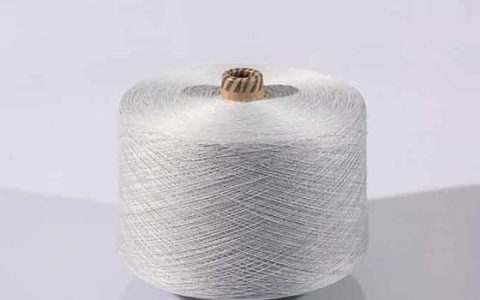
Melt spinning into fibers
Drawing and texturing processes
Fabric weaving or knitting
Quality testing and certification
Inherent flame retardant polyester offers significant advantages over post-treated materials because the flame-retardant properties are built directly into the fiber. This ensures long-term performance even after extensive use, washing, or exposure to harsh environments.
As a result, many manufacturers prefer inherent flame retardant polyester when developing high-performance functional fabric for demanding industrial applications.
Key Properties of Flame Retardant Polyester
Excellent Flame Resistance
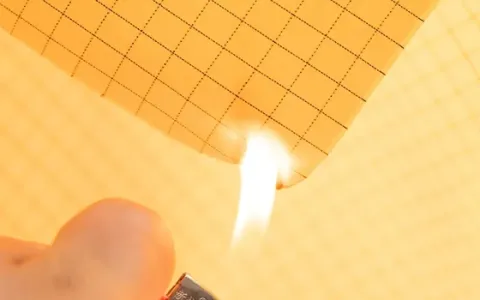
The primary advantage of flame retardant polyester is its ability to resist ignition and slow flame propagation. When exposed to a heat source, the material may char or self-extinguish rather than supporting continuous combustion.
This characteristic makes flame retardant polyester a preferred choice for producing flame retardant fabric used in high-risk environments.
Durability and Mechanical Strength
Like conventional polyester, flame retardant polyester offers excellent tensile strength, abrasion resistance, and dimensional stability. These properties allow fabrics to withstand repeated use in industrial and commercial settings.
Lightweight and Comfortable
Modern flame retardant polyester fibers can be engineered to provide softness, flexibility, and breathability. This makes them suitable for applications where wearer comfort is important, including flame retardant clothing and protective uniforms.
Moisture Management
Many types of flame retardant polyester feature moisture-wicking capabilities that help keep wearers dry and comfortable. This performance characteristic is particularly valuable in industrial workplaces where workers operate under physically demanding conditions.
Easy Maintenance
Compared with some alternative fire-resistant materials, flame retardant polyester is generally easy to clean, resistant to shrinking, and capable of maintaining its appearance after repeated laundering.
Advantages of Flame Retardant Polyester Compared with Standard Polyester
While standard polyester offers durability and affordability, it provides limited protection against fire hazards. In contrast, flame retardant polyester delivers enhanced safety without sacrificing many of the benefits associated with conventional polyester.
Key advantages include:
Improved Fire Safety
The most significant advantage is the ability to reduce flame spread and improve evacuation time during fire incidents.
Long-Term Performance
Inherent flame retardant polyester maintains its protective properties throughout the lifespan of the product, unlike some treated fabrics that may lose effectiveness over time.
Cost-Effective Protection
Compared with certain specialty fibers, flame retardant polyester offers an attractive balance between performance and cost, making it suitable for large-scale industrial applications.
Design Flexibility
Manufacturers can blend flame retardant polyester with other fibers to create customized functional fabric solutions that meet specific performance requirements such as comfort, strength, or moisture management.
Common Applications of Flame Retardant Polyester
The versatility of flame retardant polyester has led to its widespread adoption across numerous industries.
Flame Retardant Clothing
One of the most common applications is the production of flame retardant clothing for workers exposed to fire hazards. Industrial uniforms, utility workwear, and protective garments often incorporate flame retardant polyester to improve worker safety.
Industrial Protective Textiles
Industrial curtains, welding screens, insulation covers, and safety barriers frequently utilize flame retardant fabric made from flame retardant polyester.
Transportation Interiors
The transportation industry uses flame retardant polyester extensively in aircraft seating, railway interiors, automotive textiles, and public transportation systems where fire safety standards are particularly stringent.
Home and Commercial Furnishings
Many curtains, upholstery fabrics, wall coverings, and decorative textiles are manufactured using flame retardant polyester to comply with building safety regulations.
Public Facilities
Schools, hospitals, hotels, theaters, and convention centers often specify flame retardant fabric products to enhance fire protection within public spaces.

Is Flame Retardant Polyester Safe?
A common question among buyers and end users is: Is flame retardant polyester safe?
The answer depends largely on the type of flame-retardant technology used and the quality standards followed during manufacturing.
Modern flame retardant polyester products produced by reputable manufacturers are generally considered safe for their intended applications. Many advanced flame-retardant technologies are designed to minimize harmful emissions while delivering reliable fire protection.
When evaluating safety, buyers should consider the following factors:
Compliance with International Standards
High-quality flame retardant polyester should comply with relevant industry standards and testing requirements. Certification helps verify product performance and safety.
Low Toxicity Requirements
Many modern formulations are developed to meet increasingly strict environmental and health regulations, reducing concerns related to hazardous substances.
Long-Term Stability
Inherent flame retardant polyester fibers often provide greater long-term stability because the flame-retardant properties are integrated into the fiber structure rather than applied as a surface treatment.
Responsible Manufacturing
Working with an experienced flame retardant polyester supplier helps ensure that materials are produced using established quality control systems and environmentally responsible manufacturing practices.
Overall, certified flame retardant polyester is widely used around the world in industries where safety and regulatory compliance are essential.
Flame Retardant Polyester Standards and Certifications
To ensure consistent quality and fire performance, flame retardant polyester products are commonly tested against recognized standards.
Depending on the application, buyers may encounter standards such as:
EN ISO 14116
EN ISO 11612
NFPA requirements
ASTM flame resistance standards
Railway and transportation fire safety standards
Aviation interior material standards
A qualified flame retardant polyester supplier should be able to provide testing reports and certification documentation demonstrating compliance with applicable regulations.
Compliance with fire safety standards is only one part of evaluating flame retardant polyester performance. Manufacturers and buyers should also understand the testing methods used to verify flame resistance, including vertical flame tests, horizontal flame tests, and limiting oxygen index (LOI) evaluations. To learn more about these testing procedures, read our guide on How to Test Flame Retardant Properties in Fabrics.
How to Choose the Right Flame Retardant Polyester Supplier
Selecting the right flame retardant polyester supplier is just as important as choosing the material itself.
Consider the following factors:
Technical Expertise
Look for suppliers with extensive experience in flame-retardant fiber development and textile manufacturing.
Product Consistency
Reliable suppliers maintain strict quality control procedures to ensure consistent performance across production batches.
Certification Support
A professional flame retardant polyester supplier should provide testing reports, compliance documentation, and technical guidance.
Customization Capabilities
Different industries require different fabric properties. An experienced supplier can develop customized functional fabric solutions tailored to specific applications.
Manufacturing Capacity
For large-scale projects, evaluate production capacity, lead times, and supply chain reliability.
Conclusion
As fire safety regulations become increasingly stringent across industries, flame retardant polyester continues to play a vital role in the development of advanced protective textiles. Its combination of fire resistance, durability, comfort, and cost-effectiveness makes it an ideal choice for a wide range of applications, from flame retardant clothing and transportation interiors to industrial safety products and commercial furnishings.
When sourced from a reputable flame retardant polyester supplier, high-quality flame retardant polyester can provide long-lasting protection while meeting demanding performance standards. By understanding its properties, applications, benefits, and safety considerations, buyers can confidently select the right flame retardant fabric and functional fabric solutions for their specific needs.
Related News
Read More >-
![What Is Stainless Steel Yarn?]()
What Is Stainless Steel Yarn?
What is stainless steel yarn? Learn about its conductivity, properties, types, applications, and uses in antistatic, ESD, and functional textiles.
-
![What Are Flame Retardant Textiles?]()
What Are Flame Retardant Textiles?
Learn what flame retardant textiles are, how they work, key fabric types, applications, standards, and how to choose flame-resistant fabrics for protective clothing.
-
![What is Cotton Flame Retardant Fabric?]()
What is Cotton Flame Retardant Fabric?
Explains what cotton flame retardant fabric is, how it works, how it differs from inherent FR materials, where it is used, what standards buyers should consider, and how to select the right fabric for a protective clothing program.
-
![Which is Better, Aramid or Kevlar Fabric?]()
Which is Better, Aramid or Kevlar Fabric?
Compare aramid fabric vs Kevlar fabric, including strength, flame resistance, applications, and key differences to choose the right protective material.
-
![What Is Aramid Fabric?]()
What Is Aramid Fabric?
Learn what aramid fabric is, its key properties, the differences between meta aramid fabric and para aramid fabric, common applications, and how to choose the right flame retardant fabric for industrial protective clothing.
-
![What is Level 5 Cut Resistant Clothing?]()
What is Level 5 Cut Resistant Clothing?
-
![Why the Electronics Industry Relies on Antistatic Fabric]()
Why the Electronics Industry Relies on Antistatic Fabric
-
![Why Antistatic Fabric Is Essential in Pharmaceutical Manufacturing]()
Why Antistatic Fabric Is Essential in Pharmaceutical Manufacturing
Explore why antistatic fabric has become an essential material in pharmaceutical manufacturing, how it works, its advantages over ordinary fabrics, and what buyers should consider when selecting pharmaceutical workwear.