



What are Specialty Fabrics?
2026-07-02 15:10
The global textile industry is rapidly evolving beyond traditional apparel and decorative materials. Today, advanced textile technologies are transforming fabrics into highly engineered materials capable of delivering protection, durability, conductivity, sustainability, and intelligent functionality. These advanced materials are commonly known as specialty fabrics.
From industrial safety garments and healthcare textiles to smart wearables and aerospace materials, specialty fabrics are becoming increasingly important across modern industries. Unlike conventional tetiles, these fabrics are specifically designed to solve technical challenges and provide enhanced performance under demanding conditions.
As workplace safety regulations, sustainability requirements, and performance expectations continue to rise, the demand for innovative specialty fabrics is growing worldwide. In this article, we explore what specialty fabrics are, their major categories, key features, materials, industrial applications, and future development trends.
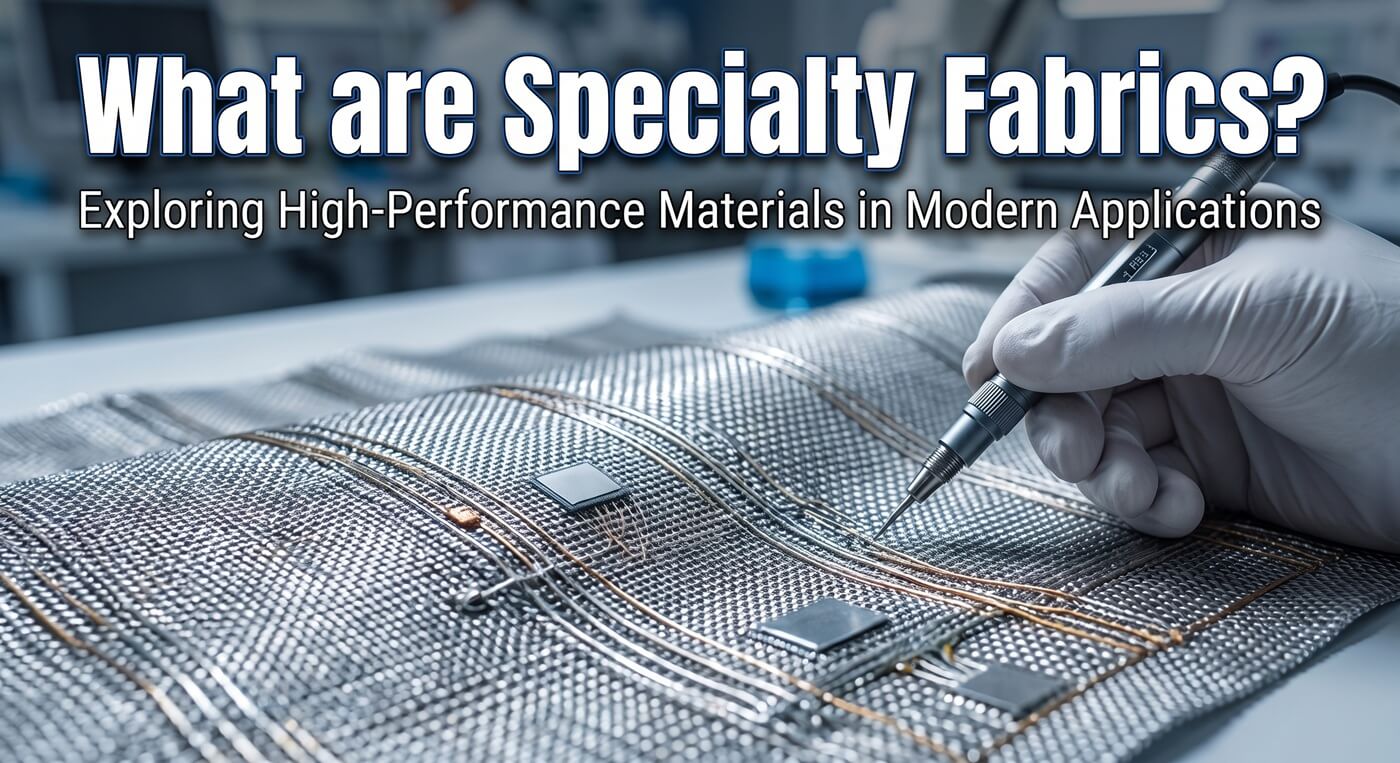
Understanding Specialty Fabrics
Specialty fabrics are textiles engineered to provide advanced functional, technical, or protective properties beyond those of ordinary fabrics. While conventional textiles mainly focus on appearance, comfort, and basic durability, specialty fabrics are developed to perform in specific environments or applications.
Modern specialty fabrics may offer capabilities such as:
Flame resistance
Anti-static protection
Cut resistance
Waterproof performance
Conductivity
Chemical resistance
Antibacterial protection
Thermal insulation
These textiles are often produced using advanced fibers, specialized yarns, engineered fabric structures, and innovative finishing technologies.
The growing demand for industrial safety, smart textiles, and sustainable solutions has accelerated innovation in specialty fabrics across global markets. Today, many industries rely on high-performance textiles to improve worker protection, operational efficiency, and product durability.
Major Categories of Specialty Fabrics
Protective and Safety Fabrics
One of the largest categories of specialty fabrics is protective and safety textiles. These fabrics are designed to protect workers and users from various workplace hazards, including heat, flames, static electricity, chemicals, and mechanical injuries.
Examples include:
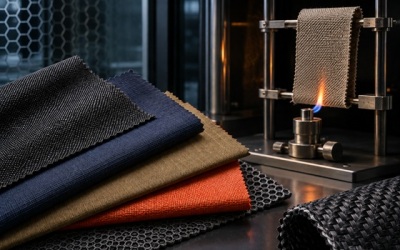
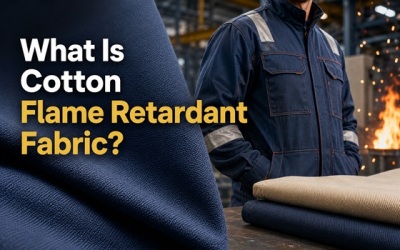
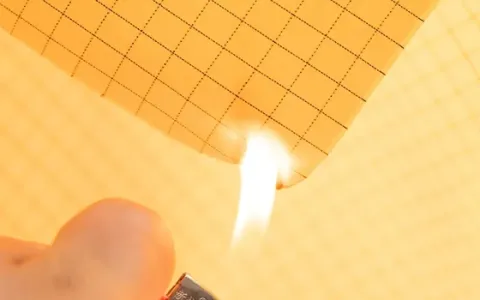
flame retardant fabric for fire protection
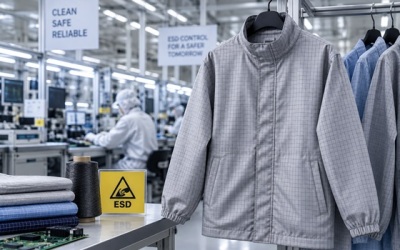
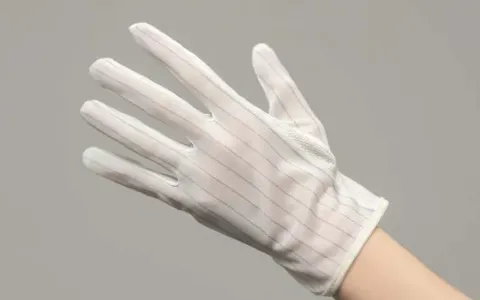
antistatic fabric for ESD-sensitive environments
cut resistant fabric for mechanical hazard protection
Protective specialty fabrics are widely used in industries such as oil and gas, welding, electrical utilities, manufacturing, mining, and emergency response.
Modern safety textiles now combine multiple protective functions while improving comfort, flexibility, and breathability for long-term wear.
Medical and Healthcare Fabrics
Healthcare applications represent another rapidly growing sector for specialty fabrics. Medical textiles are designed to improve hygiene, infection control, and patient comfort in hospitals and healthcare facilities.
These fabrics are commonly used in surgical gowns, medical uniforms, face masks, wound care products, bedding systems, and rehabilitation textiles. Many modern healthcare fabrics now feature antimicrobial treatments, moisture-management technologies, and fluid-resistant coatings that help reduce contamination risks while improving comfort for healthcare professionals and patients alike.
Smart and Conductive Textiles
The development of smart textiles has significantly expanded the capabilities of specialty fabrics. By integrating sensors, embedded electronics, and conductive yarn technologies into textile structures, manufacturers can create fabrics capable of monitoring body temperature, movement, heart rate, and environmental conditions.
Smart textiles are increasingly used in wearable electronics, industrial safety garments, healthcare monitoring systems, and anti-static applications. Conductive textile technologies also play a key role in improving ESD protection and enabling advanced communication and sensing functions in modern textile products.
Sustainable and Eco-Friendly Fabrics
Sustainability is becoming one of the most influential trends in the development of specialty fabrics. Textile manufacturers are increasingly adopting recycled fibers, bio-based materials, water-saving dyeing methods, and low-impact finishing technologies to reduce environmental impact while maintaining high performance standards.
Many companies now prioritize sustainable textile sourcing as part of their environmental responsibility initiatives. As a result, eco-friendly specialty fabrics are becoming increasingly important across both industrial and consumer markets.
Industrial and Technical Textiles
Industrial and technical textiles are engineered for highly specialized applications that require exceptional durability and performance. These specialty fabrics are commonly used in filtration systems, insulation products, automotive components, aerospace materials, conveyor systems, and geotextiles.
Because these environments often involve exposure to extreme temperatures, chemicals, abrasion, and mechanical stress, industrial textiles are typically developed using high-performance fibers and advanced fabric engineering technologies.
Key Features That Define Specialty Fabrics
Several characteristics distinguish specialty fabrics from ordinary textiles.
One of the most important features is functional performance. Many specialty fabrics are engineered to provide protection against specific hazards such as fire, static electricity, cuts, chemicals, or bacteria.
Durability is another key advantage. High-performance textiles are designed to maintain functionality under repeated washing, heavy wear, and challenging industrial environments.
Comfort has also become increasingly important in modern textile development. Today's specialty fabrics are often lightweight, breathable, moisture-managing, and ergonomically designed to improve user comfort.
In addition, many advanced textiles now combine multiple functions within a single fabric system. For example, a modern industrial functional fabric may simultaneously provide flame resistance, anti-static protection, moisture management, and mechanical durability.
The integration of sustainability, smart technologies, and multi-hazard protection continues to expand the capabilities of specialty fabrics across industries.
Common Materials Used in Specialty Fabrics
Aramid Fibers
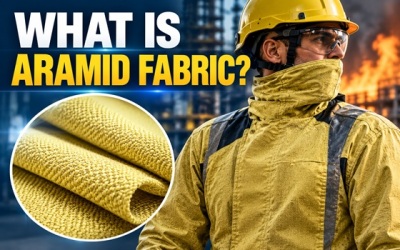
Aramid fiber is one of the most widely used materials in high-performance specialty fabrics. Known for its excellent heat resistance, flame resistance, and mechanical strength, aramid fiber is commonly used in:
Firefighter apparel
Industrial PPE
Aerospace textiles
Ballistic protection
Both meta-aramid and para-aramid fibers play critical roles in advanced protective textile systems.
Modacrylic Fibers
Modacrylic fibers are synthetic fibers with inherent flame-resistant properties. These materials are frequently used in flame retardant fabric applications because they provide reliable thermal protection without requiring chemical treatments.
Modacrylic-based specialty fabrics are popular in industrial workwear, arc flash garments, and protective apparel due to their balance of comfort, durability, and safety performance.
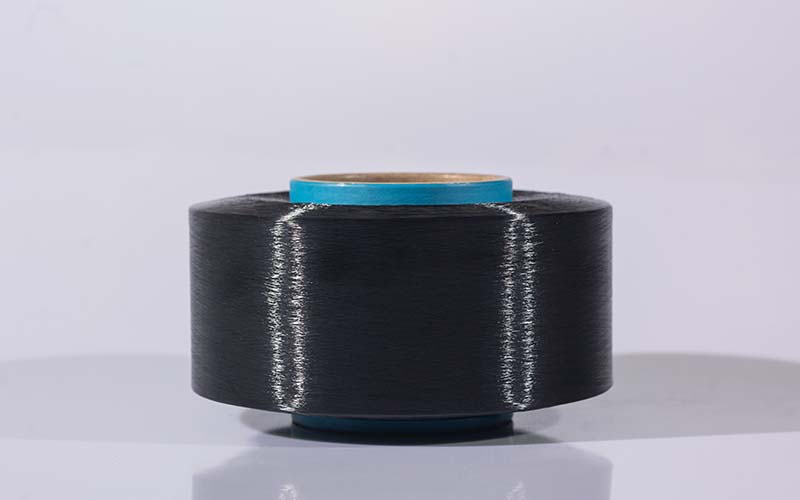
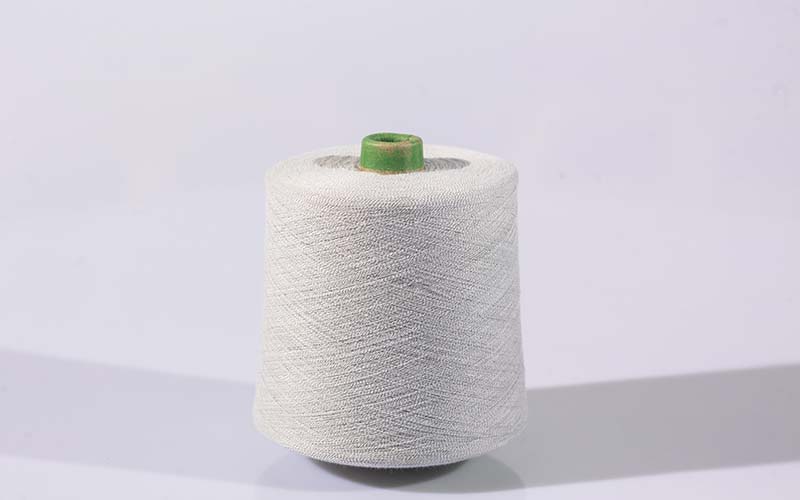
Conductive Yarns and Carbon Fibers
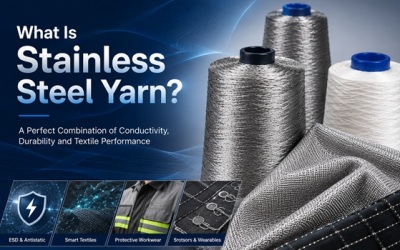
Modern smart textiles and antistatic fabric systems often rely on conductive yarn technologies and carbon-based materials.
These conductive components help:
Dissipate static electricity
Enable electronic signal transmission
Support wearable technologies
Improve ESD protection
Conductive textile systems are increasingly important in electronics manufacturing, healthcare monitoring devices, and industrial smart garments.
High-Performance Synthetic Fibers
Many advanced specialty fabrics utilize high-performance synthetic fibers such as:
Polyimide fibers
UHMWPE fibers
PTFE fibers
High-tenacity polyester
These materials offer excellent durability, chemical resistance, lightweight performance, and mechanical strength for technical textile applications.
Functional Coatings and Membranes
In addition to advanced fibers, many specialty fabrics rely on coatings and membranes to achieve enhanced functionality.
Examples include:
Waterproof breathable membranes
Antimicrobial coatings
Chemical-resistant finishes
Reflective coatings
Thermal barrier systems
These technologies help expand the performance capabilities of modern functional fabric solutions.
Industries That Rely on Specialty Fabrics
Many industries depend heavily on specialty fabrics for safety, durability, and technical performance.
The oil and gas sector uses flame retardant fabric and antistatic fabric for protective workwear in hazardous environments. Manufacturing and metalworking industries often require cut resistant fabric to reduce injury risks.
Healthcare providers rely on antimicrobial and fluid-resistant specialty fabrics for medical protection and infection control.
Military and emergency response teams require lightweight, durable, and multi-hazard protective textiles capable of operating under extreme conditions.
Automotive and aerospace industries use advanced technical textiles for insulation, reinforcement, filtration, and lightweight structural components.
Sportswear and outdoor brands also increasingly incorporate functional fabric technologies to improve comfort, moisture management, weather protection, and athletic performance.
How to Choose the Right Specialty Fabrics
Selecting the right specialty fabrics begins with understanding the specific requirements of the intended application. Different industries and environments may require protection against heat, flames, static electricity, chemicals, abrasion, or mechanical hazards.
Buyers should carefully evaluate fabric certifications, durability, wash resistance, comfort, breathability, and environmental impact before making a sourcing decision. International standards such as NFPA, ASTM, ANSI, and EN ISO certifications can help verify fabric performance and compliance.
Working with experienced textile manufacturers is also essential when sourcing advanced specialty fabrics. Reliable suppliers can provide technical support, testing reports, custom fabric development, and guidance on selecting the most suitable textile solution for specific industrial or commercial applications.
Future Trends in Specialty Fabrics
Smart Responsive Textiles
Future specialty fabrics will increasingly respond dynamically to environmental and user conditions.
Emerging smart textiles may automatically adjust:
Temperature regulation
Breathability
Compression
Moisture transport
These adaptive systems are expected to improve both comfort and performance.
Lightweight Multi-Hazard Fabrics
Manufacturers are focusing on developing lighter specialty fabrics that still provide high levels of protection.
Advanced multi-hazard textiles now combine:
Flame resistance
Chemical protection
Anti-static performance
Mechanical durability
Reducing garment weight while maintaining protection remains a major innovation goal.
Sustainable Functional Materials
Environmental sustainability will continue shaping the future of specialty fabrics.
The industry is increasingly investing in:
Recycled textile systems
Bio-based fibers
Circular manufacturing models
Low-impact chemical treatments
Future textile innovation will focus on balancing high performance with reduced environmental impact.
AI-Assisted Textile Innovation
Artificial intelligence is beginning to influence textile development processes.
AI systems can help researchers:
Optimize fiber combinations
Predict fabric performance
Accelerate material testing
Improve manufacturing efficiency
This technology may significantly speed up the development of next-generation specialty fabrics.
FAQ About Specialty Fabrics
What are specialty fabrics used for?
Specialty fabrics are used in industries such as industrial safety, healthcare, military, aerospace, electronics, sportswear, and technical manufacturing.
What is the difference between specialty fabrics and regular fabrics?
Unlike ordinary textiles, specialty fabrics are engineered to provide advanced performance features such as flame resistance, anti-static protection, conductivity, durability, and environmental protection.
What are the most common types of specialty fabrics?
Common types include flame retardant fabric, antistatic fabric, cut resistant fabric, waterproof textiles, conductive textiles, and antimicrobial fabrics.
Are specialty fabrics environmentally friendly?
Many modern specialty fabrics are now developed using sustainable materials, recycled fibers, and eco-friendly manufacturing technologies.
Why are specialty fabrics important?
Specialty fabrics improve safety, comfort, durability, and performance across many industrial and consumer applications, making them essential for modern high-performance textile solutions.
Related News
Read More >-
![How Does an Antistatic Jacket Work?]()
How Does an Antistatic Jacket Work?
Learn how an antistatic jacket works, how conductive yarn and antistatic fabric dissipate static charge, and what affects ESD protection performance.
-
![What Is an Antistatic Jacket?]()
What Is an Antistatic Jacket?
Learn what an antistatic jacket is, how it works, the materials used, key applications, ESD standards, and how to choose the right jacket for work.
-
![What Is Stainless Steel Yarn Used For?]()
What Is Stainless Steel Yarn Used For?
Discover what stainless steel yarn is used for, from antistatic and EMI shielding fabrics to smart textiles, heating, and protective clothing.
-
![What Is Stainless Steel Yarn?]()
What Is Stainless Steel Yarn?
What is stainless steel yarn? Learn about its conductivity, properties, types, applications, and uses in antistatic, ESD, and functional textiles.
-
![What Are Flame Retardant Textiles?]()
What Are Flame Retardant Textiles?
Learn what flame retardant textiles are, how they work, key fabric types, applications, standards, and how to choose flame-resistant fabrics for protective clothing.
-
![What is Cotton Flame Retardant Fabric?]()
What is Cotton Flame Retardant Fabric?
Explains what cotton flame retardant fabric is, how it works, how it differs from inherent FR materials, where it is used, what standards buyers should consider, and how to select the right fabric for a protective clothing program.
-
![Which is Better, Aramid or Kevlar Fabric?]()
Which is Better, Aramid or Kevlar Fabric?
Compare aramid fabric vs Kevlar fabric, including strength, flame resistance, applications, and key differences to choose the right protective material.
-
![What Is Aramid Fabric?]()
What Is Aramid Fabric?
Learn what aramid fabric is, its key properties, the differences between meta aramid fabric and para aramid fabric, common applications, and how to choose the right flame retardant fabric for industrial protective clothing.