



Top 10 Industries That Use Antistatic Fabric
2026-07-10 15:09
Static electricity may seem harmless in everyday life, but in many industrial environments, it can cause costly product failures, production downtime, contamination, and even fire or explosion hazards. As manufacturing processes become increasingly precise and automated, the demand for reliable antistatic fabric continues to grow across a wide range of industries.
From semiconductor fabrication plants to pharmaceutical cleanrooms and food processing facilities, antistatic fabric has become an essential material for protective garments and workplace safety. By dissipating static electricity before it accumulates, these specialized textiles help protect workers, sensitive equipment, and valuable products while ensuring compliance with strict industry standards.
In this article, we'll explore how antistatic fabric is used across ten major industries, why it matters, and how businesses can choose the right solution for their specific applications.

What Is Antistatic Fabric?
Antistatic fabric is a type of textile engineered to prevent or safely dissipate static electricity. Unlike ordinary fabrics, which can easily accumulate electrostatic charges through friction, antistatic fabric continuously releases electrical charges into the surrounding environment, minimizing the risk of electrostatic discharge (ESD).
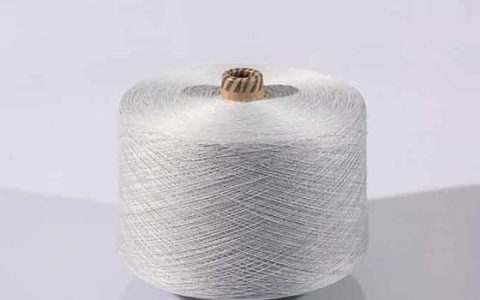
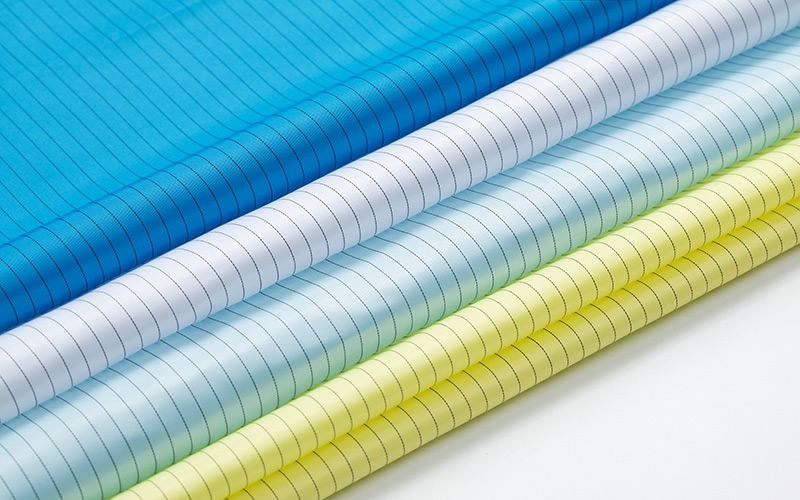
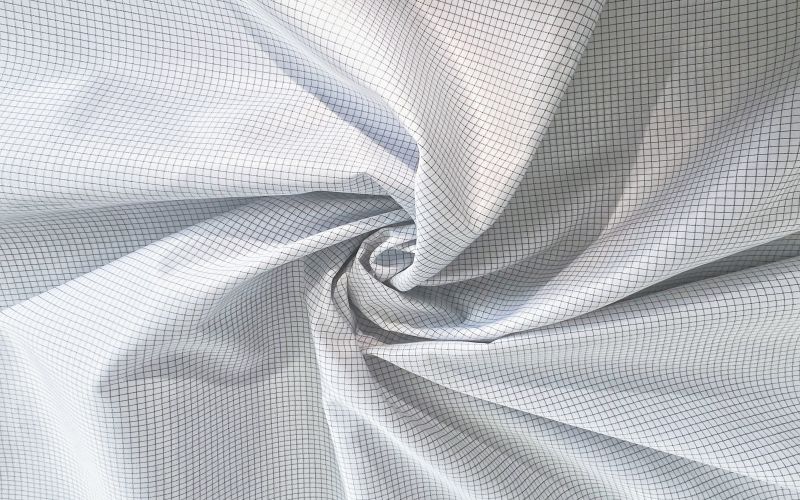
The performance of antistatic fabric typically comes from permanently integrated conductive yarn, carbon fibers, or conductive filaments woven directly into the fabric structure. Because the conductive elements become part of the textile itself, the antistatic properties remain effective even after repeated industrial laundering, making the fabric suitable for long-term professional use.
Today's functional fabrics often combine antistatic performance with additional protective features, including flame resistance, chemical resistance, moisture management, abrasion resistance, and enhanced comfort. This multifunctional approach allows manufacturers to meet the increasingly demanding requirements of modern industrial workplaces.
Unlike temporary antistatic treatments that gradually wear away, high-quality antistatic fabric provides consistent protection throughout the garment's service life, making it the preferred choice for industrial protective clothing and cleanroom clothing.
Top 10 Industries That Use Antistatic Fabric
1. Electronics and Semiconductor Manufacturing
Perhaps no industry relies more heavily on antistatic fabric than electronics manufacturing. Semiconductor chips, printed circuit boards, sensors, and integrated circuits are highly sensitive to electrostatic discharge. Even a small static event that goes unnoticed by workers can permanently damage delicate electronic components.
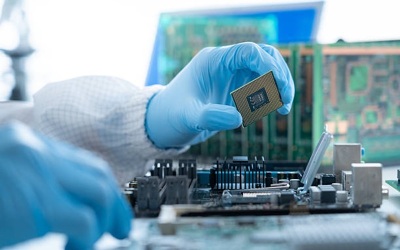
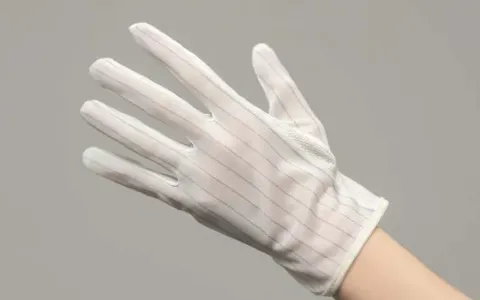
To minimize this risk, technicians wear antistatic workwear manufactured from fabrics containing conductive yarn, allowing electrical charges to dissipate safely rather than accumulate. These garments are commonly paired with ESD footwear, gloves, wrist straps, and flooring systems to create a complete electrostatic protection program.
In semiconductor cleanrooms, antistatic fabric also helps reduce particle attraction, supporting the strict contamination control required for high-yield manufacturing.
2. Pharmaceutical Manufacturing
The pharmaceutical industry demands exceptionally clean production environments where contamination must be minimized throughout every stage of manufacturing. While static electricity itself may not directly affect pharmaceutical products, it can attract airborne dust and particles that threaten product quality.
For this reason, antistatic fabric is widely used in cleanroom clothing worn by operators working in GMP-compliant facilities. These garments reduce electrostatic buildup while helping maintain cleanroom integrity.
Many pharmaceutical manufacturers choose functional fabrics that combine antistatic performance with excellent comfort, breathability, durability, and repeated wash resistance. Since cleanroom garments undergo frequent industrial laundering, maintaining long-term electrostatic performance is particularly important.
3. Food Processing Industry
Food manufacturing environments often contain fine powders such as flour, sugar, starch, milk powder, and seasonings. These airborne particles can easily be attracted by static electricity, increasing contamination risks and making cleaning more difficult.
In some processing environments, combustible dust may also present explosion hazards if exposed to electrostatic sparks.
Using antistatic fabric for uniforms helps reduce static buildup, minimizes dust attraction, and improves overall hygiene throughout production facilities. As food safety regulations become increasingly stringent, many manufacturers incorporate antistatic workwear into their broader hygiene management systems.
Combined with proper sanitation procedures, antistatic fabric contributes to cleaner production environments and more consistent product quality.
4. Chemical and Petrochemical Industry
Few workplaces present greater electrostatic hazards than chemical and petrochemical facilities. Workers frequently handle flammable liquids, gases, solvents, and combustible chemicals where even a small spark can create dangerous ignition sources.
Protective garments made from antistatic fabric reduce the possibility of static accumulation on workers' clothing. Many industrial garments also combine antistatic properties with flame-retardant performance, providing dual protection in hazardous environments.
Modern functional fabrics designed for chemical industries must balance safety, durability, chemical resistance, and wearer comfort while maintaining reliable electrostatic performance throughout long service lives.
5. Oil and Gas Industry
Oil refineries, fuel storage facilities, offshore platforms, and natural gas processing plants all operate under strict safety regulations regarding electrostatic hazards.
Workers moving between equipment, climbing structures, or handling fuel products naturally generate friction that may produce static electricity. Without proper protective clothing, accumulated charges could create ignition risks in hazardous atmospheres.
For this reason, antistatic fabric has become standard in protective garments throughout the oil and gas sector. These garments often incorporate durable conductive yarn technologies alongside flame-resistant fibers to provide comprehensive worker protection.
Reliable antistatic workwear helps companies meet industry safety standards while supporting safer daily operations.
6. Lithium Battery Manufacturing
The rapid expansion of electric vehicles and energy storage systems has driven significant growth in lithium battery production worldwide.
Battery manufacturing involves numerous electrostatic-sensitive processes, including electrode preparation, cell assembly, and battery pack production. Static discharge can damage sensitive materials, reduce product consistency, or create safety concerns during manufacturing.
To reduce these risks, manufacturers increasingly specify antistatic fabric for operator uniforms and production garments. Many battery factories also operate under clean manufacturing conditions where controlling dust and electrostatic attraction is equally important.
As battery technologies continue to evolve, demand for high-performance functional fabrics with reliable electrostatic protection is expected to grow steadily.
7. Automotive Manufacturing
Modern automobiles contain hundreds of electronic control units, sensors, cameras, and semiconductor components. During vehicle assembly, workers frequently handle these sensitive parts, making electrostatic control increasingly important.
In automotive electronics assembly areas, antistatic fabric helps protect components from electrostatic discharge while improving manufacturing reliability.
The automotive industry also uses antistatic workwear in paint shops, where controlling dust attraction contributes to higher-quality paint finishes. By reducing airborne particle adhesion, antistatic fabric helps manufacturers achieve smoother surfaces and fewer finishing defects.
8. Aerospace Industry
Aircraft manufacturing combines precision engineering with demanding quality standards. Components used in avionics, navigation systems, communication equipment, and flight control systems often require careful electrostatic protection throughout production.
Engineers and assembly technicians commonly wear garments made from antistatic fabric when handling sensitive electronic equipment or composite materials.
Given the industry's strict reliability requirements, aerospace manufacturers frequently specify premium functional fabrics that deliver stable electrostatic performance alongside durability, comfort, and long service life.
9. Medical Device Manufacturing
Medical device production shares many characteristics with pharmaceutical manufacturing. Products are often assembled in controlled environments where cleanliness, precision, and contamination control are essential.
Many medical devices incorporate delicate electronic circuits that require ESD protection during assembly. At the same time, airborne particles attracted by static electricity can compromise manufacturing quality.
For these reasons, cleanroom clothing made from antistatic fabric is widely used in medical device production. High-quality garments maintain low particle generation while providing consistent electrostatic dissipation throughout repeated use.
10. Precision Optical and Instrument Manufacturing
Manufacturers producing cameras, optical lenses, microscopes, laboratory instruments, and precision measuring equipment require exceptionally clean production environments.
Static electricity can attract microscopic dust particles that settle on optical surfaces, reducing product quality and increasing rejection rates. Electrostatic discharge may also damage highly sensitive electronic components integrated into modern precision instruments.
Using antistatic fabric helps maintain cleaner assembly environments while protecting valuable products throughout manufacturing. Combined with cleanroom controls, these specialized textiles support the high precision expected in optical and scientific equipment production.
How to Choose the Right Antistatic Fabric for Different Industries
Although antistatic fabric serves the same basic purpose across industries, the performance requirements vary significantly depending on the application.
For electronics manufacturing, electrostatic protection is often the highest priority. Fabrics should provide stable surface resistivity, reliable charge dissipation, and compatibility with ESD control programs. Integrating high-quality conductive yarn into the textile structure ensures consistent performance throughout the garment's lifespan.
In pharmaceutical and medical manufacturing, electrostatic performance must be balanced with cleanroom compatibility. Garments should generate minimal particles, withstand frequent industrial laundering, and maintain antistatic performance after repeated cleaning cycles.
Chemical, oil, and gas industries frequently require functional fabrics that combine multiple protective features. Flame resistance, chemical resistance, durability, and electrostatic control must work together to provide comprehensive worker protection in hazardous environments.
Comfort should never be overlooked. Workers who wear protective garments for extended periods benefit from breathable, lightweight fabrics that support productivity without compromising safety.
Selecting experienced fabric manufacturers is equally important. Suppliers capable of customizing fiber blends, weaving structures, and protective finishes can better meet the unique requirements of different industrial sectors.
Future Trends in Antistatic Fabric Applications
The future of antistatic fabric extends far beyond traditional industrial uniforms.
As advanced manufacturing expands worldwide, demand continues to grow for smarter, lighter, and more sustainable functional fabrics. Manufacturers are developing innovative textiles that combine electrostatic protection with antimicrobial performance, moisture management, flame resistance, temperature regulation, and improved wearer comfort.
Sustainability is becoming another major driver. Many textile producers are exploring recycled fibers and environmentally responsible manufacturing processes while maintaining the performance expected from industrial antistatic fabric.
Rapid growth in semiconductor production, electric vehicles, renewable energy storage, biotechnology, and pharmaceutical manufacturing will further increase global demand for reliable electrostatic protection solutions.
As these industries continue to evolve, antistatic fabric will remain an essential component of safer, cleaner, and more efficient manufacturing environments.
Conclusion
From semiconductor fabrication and pharmaceutical production to food processing, chemical manufacturing, and aerospace engineering, antistatic fabric has become an indispensable material across modern industry. By safely dissipating static electricity, it protects workers, equipment, products, and manufacturing environments while supporting compliance with increasingly rigorous safety and quality standards.
Different industries require different levels of electrostatic protection, durability, comfort, and additional protective performance. Choosing the right antistatic fabric, especially one engineered with high-quality conductive yarn and advanced functional fabrics technology, ensures long-term reliability and operational efficiency.
Whether you are sourcing materials for antistatic workwear, developing cleanroom clothing, or designing industry-specific protective apparel, partnering with an experienced antistatic fabric manufacturer can help you achieve the right balance of safety, performance, and comfort for your application.
Related News
Read More >-
![What is Cotton Flame Retardant Fabric?]()
What is Cotton Flame Retardant Fabric?
Explains what cotton flame retardant fabric is, how it works, how it differs from inherent FR materials, where it is used, what standards buyers should consider, and how to select the right fabric for a protective clothing program.
-
![Which is Better, Aramid or Kevlar Fabric?]()
Which is Better, Aramid or Kevlar Fabric?
Compare aramid fabric vs Kevlar fabric, including strength, flame resistance, applications, and key differences to choose the right protective material.
-
![What Is Aramid Fabric?]()
What Is Aramid Fabric?
Learn what aramid fabric is, its key properties, the differences between meta aramid fabric and para aramid fabric, common applications, and how to choose the right flame retardant fabric for industrial protective clothing.
-
![What is Level 5 Cut Resistant Clothing?]()
What is Level 5 Cut Resistant Clothing?
-
![Why the Electronics Industry Relies on Antistatic Fabric]()
Why the Electronics Industry Relies on Antistatic Fabric
-
![Why Antistatic Fabric Is Essential in Pharmaceutical Manufacturing]()
Why Antistatic Fabric Is Essential in Pharmaceutical Manufacturing
Explore why antistatic fabric has become an essential material in pharmaceutical manufacturing, how it works, its advantages over ordinary fabrics, and what buyers should consider when selecting pharmaceutical workwear.
-
![What are Specialty Fabrics?]()
What are Specialty Fabrics?
Discover what specialty fabrics are, their key features, materials, and industrial applications. Explore innovations in functional fabric, flame retardant fabric, antistatic fabric, cut resistant fabric, and sustainable textile technologies.
-
![Cleanroom Clothing: The Ultimate Guide for Controlled Environments]()
Cleanroom Clothing: The Ultimate Guide for Controlled Environments
Learn everything about cleanroom clothing, including garment types, antistatic materials, ESD protection, key applications, and how to choose the right cleanroom garments for controlled environments.