



- Home
- >
- News
- >
- What Is Aramid Fabric?
- >
What Is Aramid Fabric?
2026-08-07 13:45
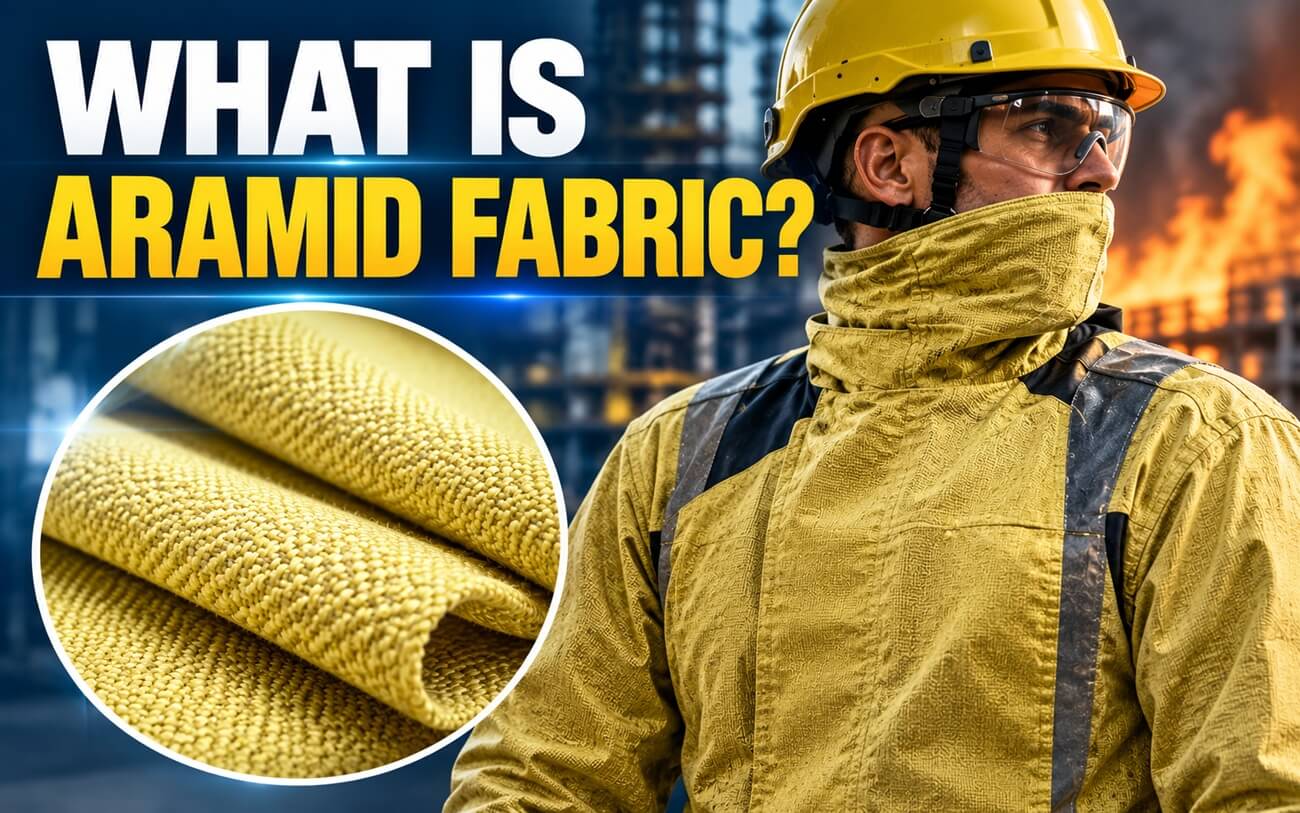
As industries place greater emphasis on worker safety, durability, and high-performance materials, aramid fabric has become one of the most important textiles used in protective clothing and technical applications. Known for its exceptional heat resistance, flame resistance, and mechanical strength, aramid fabric is widely used in environments where ordinary textiles simply cannot provide adequate protection.
From firefighter suits and electrical arc flash garments to military uniforms and industrial gloves, aramid fabric plays a critical role in modern personal protective equipment (PPE). Its ability to maintain structural integrity under extreme temperatures has made it a preferred material across numerous high-risk industries.
If you've ever wondered what is aramid fabric used for, how it differs from other protective materials, or Is aramid fiber fire resistant, this comprehensive guide will answer those questions while helping industrial buyers understand how to select the right aramid textile for their applications.
Understanding Aramid Fabric
What Is Aramid Fabric Made Of?
Aramid fabric is a high-performance textile woven from aramid fibers, a class of synthetic fibers belonging to the aromatic polyamide family. Unlike conventional fibers such as polyester or nylon, aramid fibers possess highly ordered molecular structures that provide outstanding thermal stability and mechanical strength.
The manufacturing process begins with specialized polymers that are spun into fibers before being woven or knitted into aramid fabric. Depending on the intended application, manufacturers may produce lightweight woven fabrics for protective clothing, heavy-duty industrial textiles, or blended materials that combine aramid with other high-performance fibers.
Because its protective properties originate from the fiber itself rather than a chemical finish, aramid fabric provides long-lasting performance throughout the garment's service life.
Why Aramid Fabric Is Classified as a High-Performance Textile
Unlike ordinary textiles designed primarily for comfort or appearance, aramid fabric is engineered to perform under extreme working conditions. It offers an exceptional combination of heat resistance, flame resistance, tensile strength, abrasion resistance, and dimensional stability.
These characteristics make aramid fabric suitable for applications where exposure to flames, high temperatures, sharp objects, or mechanical stress is common. Modern industrial textiles often combine aramid with other advanced fibers to create multi-functional protective fabrics that balance safety, durability, and wearer comfort.
Key Characteristics of Aramid Fibers
Several unique properties distinguish aramid fabric from conventional textiles.
First, aramid fibers do not melt when exposed to high temperatures. Instead, they maintain their structural integrity, providing valuable protection during thermal exposure.
Second, aramid fibers exhibit excellent mechanical strength. Some varieties are several times stronger than steel on an equal-weight basis, making them ideal for demanding industrial applications.
In addition, aramid fabric offers excellent dimensional stability, low shrinkage, chemical resistance, and long-term durability. Many modern protective garments rely on these characteristics to deliver consistent performance after repeated industrial laundering and prolonged use.
Types of Aramid Fabric
Meta-Aramid Fabric
Meta aramid fabric is primarily recognized for its excellent heat and flame resistance. Manufactured from meta-oriented aromatic polyamide molecules, this fabric provides outstanding thermal insulation while remaining lightweight and comfortable.
One of the key advantages of meta aramid fabric is that its flame-resistant properties are inherent to the fiber. Unlike chemically treated materials, these protective characteristics do not wash out over time.
Because of its excellent thermal protection, meta aramid fabric is commonly used in firefighter apparel, electrical protective clothing, industrial uniforms, racing suits, and emergency response garments.
Para-Aramid Fabric
While meta aramid fabric focuses on thermal protection, para aramid fabric is designed primarily for exceptional strength and cut resistance.
The molecular structure of para aramid fabric creates extremely strong fibers capable of resisting cutting, tearing, and abrasion while remaining remarkably lightweight. This combination of strength and durability has made it one of the most widely used materials for ballistic protection, industrial gloves, ropes, cables, and high-performance composites.
Although para aramid fabric also provides good heat resistance, it is typically selected when high tensile strength and mechanical protection are the primary requirements.
Blended Aramid Fabrics
Many modern protective textiles combine meta aramid fabric and para aramid fabric with other advanced fibers to achieve multiple performance objectives.
For example, manufacturers may blend aramid with anti-static fibers, flame-resistant viscose, or carbon fibers to create garments that simultaneously provide flame resistance, electrostatic discharge protection, improved comfort, and enhanced durability.
These blended fabrics have become increasingly popular as industries seek multi-hazard protective clothing capable of meeting complex workplace safety requirements.
Why Aramid Fabric Is Widely Used for Protective Clothing
Exceptional Heat and Flame Resistance
One of the most common questions buyers ask is: Is aramid fiber fire resistant?
The answer is yes. Aramid fibers are inherently flame resistant, meaning their protective properties are built into the molecular structure rather than being added through chemical treatments.
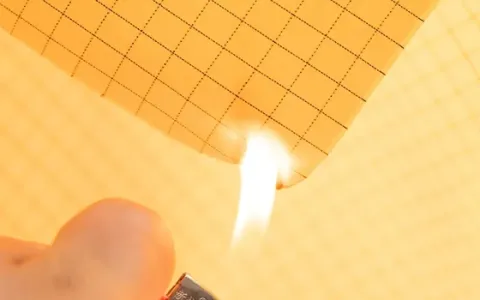
When exposed to flames, aramid fabric does not melt or drip like many synthetic textiles. Instead, it carbonizes at extremely high temperatures while helping to insulate the wearer from heat exposure. This makes aramid fabric one of the most trusted materials for protective clothing used in hazardous environments.
Its reliable thermal performance has made aramid fabric a leading choice for flame retardant fabric applications worldwide.
High Strength and Cut Resistance
Another major advantage of aramid fabric is its exceptional strength-to-weight ratio.
High-performance para aramid fabric provides outstanding resistance to cutting, tearing, and abrasion, making it ideal for protective gloves, industrial sleeves, reinforced workwear, and ballistic equipment.
Many manufacturers also incorporate aramid into composite flame retardant fabric systems to improve both mechanical durability and wearer safety.
Chemical and Abrasion Resistance
Industrial work environments often expose protective garments to oils, fuels, solvents, and abrasive surfaces.
Aramid fabric offers excellent resistance to many industrial chemicals while maintaining structural stability under demanding working conditions. Its superior abrasion resistance also contributes to longer garment service life, reducing replacement frequency and overall operating costs.
Lightweight Comfort for Industrial Workwear
Earlier generations of protective clothing often sacrificed comfort for protection. Today, advances in textile engineering have made aramid fabric lighter, softer, and more breathable.
Modern woven structures, improved yarn technologies, and ergonomic garment design allow workers to wear aramid-based protective clothing comfortably throughout long work shifts without significantly restricting movement.
Common Applications of Aramid Fabric
Many buyers searching what is aramid fabric used for are surprised by the wide range of industries that rely on this remarkable material.
One of its most important applications is flame retardant fabric for industrial protective clothing. Workers in the oil and gas, petrochemical, electrical utility, and welding industries depend on aramid garments to reduce the risks associated with heat and flames.
Military organizations also extensively use aramid fabric in combat uniforms, helmets, ballistic vests, and protective equipment because of its outstanding strength and durability.
Emergency response teams, including firefighters and rescue personnel, rely on aramid-based protective clothing to withstand extreme thermal conditions while maintaining mobility.
Beyond protective apparel, aramid fabric is widely used in aerospace components, automotive reinforcement materials, industrial filtration systems, conveyor belts, high-strength ropes, and friction materials such as brake pads and clutch components.
As advanced manufacturing continues to evolve, the applications of aramid fabric continue to expand into new industries requiring lightweight, durable, and high-performance materials.
Aramid Fabric vs Other High-Performance Fabrics
Aramid Fabric vs FR Cotton
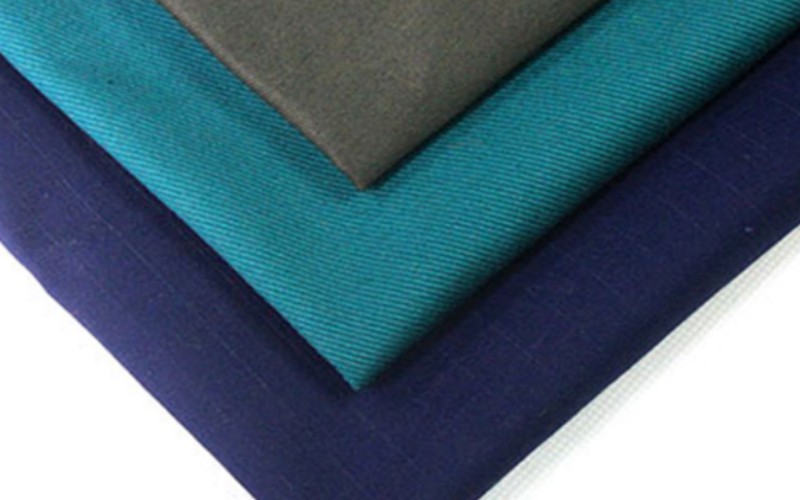
FR cotton is treated with flame-retardant chemicals during manufacturing, allowing it to provide temporary flame protection. However, depending on the treatment technology and maintenance practices, repeated laundering and wear may gradually reduce its performance over time.
By comparison, aramid fabric offers inherent flame resistance because the protective properties are built directly into the fiber itself. This generally provides greater long-term durability for demanding industrial applications.
Aramid Fabric vs Modacrylic Fabric
Modacrylic fibers are another important material used in flame retardant fabric. They offer excellent comfort, softness, and inherent flame resistance, making them popular for industrial workwear.
However, aramid fabric generally provides superior tensile strength, abrasion resistance, and thermal stability, particularly in environments involving prolonged heat exposure or mechanical hazards.
Many manufacturers blend both fibers to balance protection, comfort, and cost.
Aramid Fabric vs UHMWPE Fabric
UHMWPE is widely recognized for its outstanding cut resistance and lightweight performance. It is commonly used in cut-resistant gloves and protective clothing.
While UHMWPE excels in mechanical protection, aramid fabric performs significantly better in high-temperature environments because it retains its structural integrity when exposed to heat and flames.
The best material depends on the specific hazards present in the workplace.
Which Material Is Best for Your Application?
There is no single textile that is ideal for every application. Selecting the right material depends on factors such as thermal hazards, mechanical risks, chemical exposure, comfort requirements, and applicable safety standards.
In many cases, blended fabrics combining aramid with other advanced fibers provide the best balance between protection and wearer comfort.
How to Identify High-Quality Aramid Fabric
Selecting high-quality aramid fabric involves evaluating more than the product description.
First, buyers should verify the fiber composition. Understanding whether the fabric contains meta aramid fabric, para aramid fabric, or a specialized blend helps determine its suitability for specific hazards.
Next, review international certifications such as NFPA 2112, ASTM F1506, EN ISO 11612, EN 1149, or ISO 14116, depending on the intended application. Compliance with recognized standards demonstrates that the fabric has undergone rigorous performance testing.
Fabric construction is another important consideration. Weight, weave pattern, yarn quality, and finishing processes all influence durability, comfort, and protective performance.
Finally, reputable suppliers should provide independent laboratory testing reports and technical data that verify heat resistance, flame performance, tensile strength, and other critical characteristics.
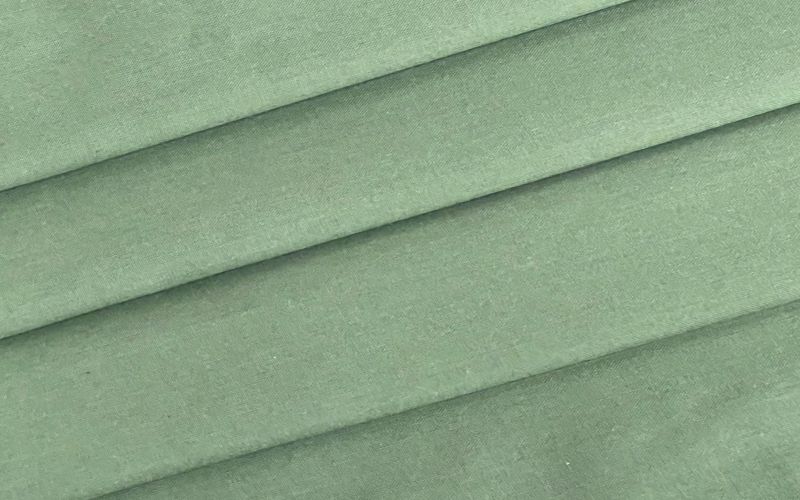
How to Choose the Right Aramid Fabric
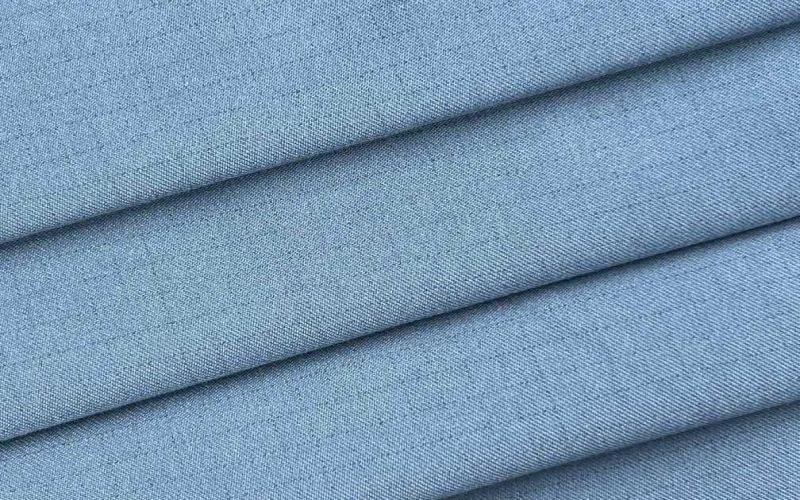
Choosing the right aramid fabric begins with understanding the hazards workers face every day.
If protection against heat and flames is the primary concern, meta aramid fabric is often an excellent choice because of its superior thermal insulation and inherent flame resistance.
If mechanical hazards such as cutting, tearing, or abrasion are more significant, para aramid fabric may provide better overall performance.
Many industrial environments involve multiple hazards simultaneously. In these situations, blended aramid fabric solutions can deliver flame resistance, anti-static protection, durability, and comfort within a single textile system.
Buyers should also evaluate garment lifespan, maintenance requirements, certification standards, and total cost of ownership rather than focusing solely on initial purchase price. High-quality aramid products often provide greater long-term value through improved durability and reduced replacement frequency.
Working with experienced textile manufacturers can further simplify material selection by ensuring the chosen fabric meets both technical specifications and regulatory requirements.
Future Trends in Aramid Fabric
Innovation continues to reshape the future of aramid fabric.
One major trend is the development of lightweight multi-hazard protective textiles that combine flame resistance, cut resistance, anti-static performance, and improved comfort without increasing garment weight.
Sustainability is another growing priority. Manufacturers are exploring cleaner production methods, recyclable material systems, and lower-impact manufacturing technologies to reduce the environmental footprint of high-performance textiles.
Smart protective clothing is also emerging as a promising area of development. Future aramid garments may integrate wearable sensors capable of monitoring body temperature, worker movement, heat exposure, and environmental hazards in real time.
Advances in fiber blending technologies are expected to produce even more versatile aramid fabric solutions, offering higher performance while improving flexibility, breathability, and wearer comfort.
FAQ About Aramid Fabric
Is aramid fabric naturally flame resistant?
Yes. Aramid fabric is inherently flame resistant because its protective properties are built into the fiber itself rather than being applied as a chemical treatment.
What is the difference between meta-aramid and para-aramid?
Meta aramid fabric primarily provides excellent heat and flame resistance, while para aramid fabric offers exceptional tensile strength, cut resistance, and abrasion resistance. Many protective textiles combine both materials to achieve balanced performance.
Does aramid fabric lose its flame resistance after washing?
No. Because the flame-resistant properties are inherent to the fiber, properly manufactured aramid fabric maintains its protective performance throughout repeated laundering when cared for according to the manufacturer's recommendations.
Is aramid fabric cut resistant?
Yes. While all aramid fibers provide good mechanical durability, para aramid fabric is especially well known for its outstanding cut resistance and is widely used in protective gloves, sleeves, and industrial PPE.
How long does aramid fabric last?
The service life of aramid fabric depends on the application, workplace conditions, and maintenance practices. High-quality aramid textiles are designed to withstand repeated industrial use and laundering while maintaining excellent protective performance.
What is aramid fabric used for?
For those asking what is aramid fabric used for, the answer spans numerous industries. Aramid fabric is commonly used in flame retardant fabric for industrial workwear, firefighter suits, military uniforms, electrical arc flash clothing, cut-resistant gloves, aerospace components, automotive materials, filtration systems, and many other high-performance technical textile applications.
Related News
Read More >-
![What is Level 5 Cut Resistant Clothing?]()
What is Level 5 Cut Resistant Clothing?
-
![Why the Electronics Industry Relies on Antistatic Fabric]()
Why the Electronics Industry Relies on Antistatic Fabric
-
![Why Antistatic Fabric Is Essential in Pharmaceutical Manufacturing]()
Why Antistatic Fabric Is Essential in Pharmaceutical Manufacturing
Explore why antistatic fabric has become an essential material in pharmaceutical manufacturing, how it works, its advantages over ordinary fabrics, and what buyers should consider when selecting pharmaceutical workwear.
-
![Top 10 Industries That Use Antistatic Fabric]()
Top 10 Industries That Use Antistatic Fabric
Discover the top 10 industries that use antistatic fabric, from electronics and pharmaceuticals to food processing, and learn how it improves safety and quality.
-
![What are Specialty Fabrics?]()
What are Specialty Fabrics?
Discover what specialty fabrics are, their key features, materials, and industrial applications. Explore innovations in functional fabric, flame retardant fabric, antistatic fabric, cut resistant fabric, and sustainable textile technologies.
-
![Cleanroom Clothing: The Ultimate Guide for Controlled Environments]()
Cleanroom Clothing: The Ultimate Guide for Controlled Environments
Learn everything about cleanroom clothing, including garment types, antistatic materials, ESD protection, key applications, and how to choose the right cleanroom garments for controlled environments.
-
![How to Choose Aramid Sewing Thread?]()
How to Choose Aramid Sewing Thread?
Learn how to choose the right aramid sewing thread for flame retardant clothing, industrial gloves, aerospace textiles, and high-heat applications. Compare meta aramid sewing thread vs para aramid sewing thread, key performance factors, and customization options.
-
![Exploring the Latest Innovations in Functional Fabrics]()
Exploring the Latest Innovations in Functional Fabrics
Discover how functional fabrics are transforming industries through smart textiles, advanced protective materials, sustainable fabric technologies, and next-generation applications in workwear, healthcare, sportswear, and industrial safety.