



What is Level 5 Cut Resistant Clothing?
2026-07-31 15:56
Workplace hand and arm injuries remain one of the most common safety concerns across manufacturing, construction, automotive, metal processing, and glass handling industries. As employers place greater emphasis on occupational safety and compliance with international standards, cut resistant clothing has become an essential part of modern personal protective equipment (PPE).
Among the various protection levels available, level 5 cut resistant clothing is one of the most frequently discussed options. But what does "Level 5" actually mean? Is it suitable for every workplace? And how does it compare with newer cut resistance standards?
This guide explains everything industrial buyers need to know about cut resistant clothing, including how Level 5 protection works, the materials used, industry applications, and how to choose the right garments for your workplace.
What Is Cut Resistant Clothing?
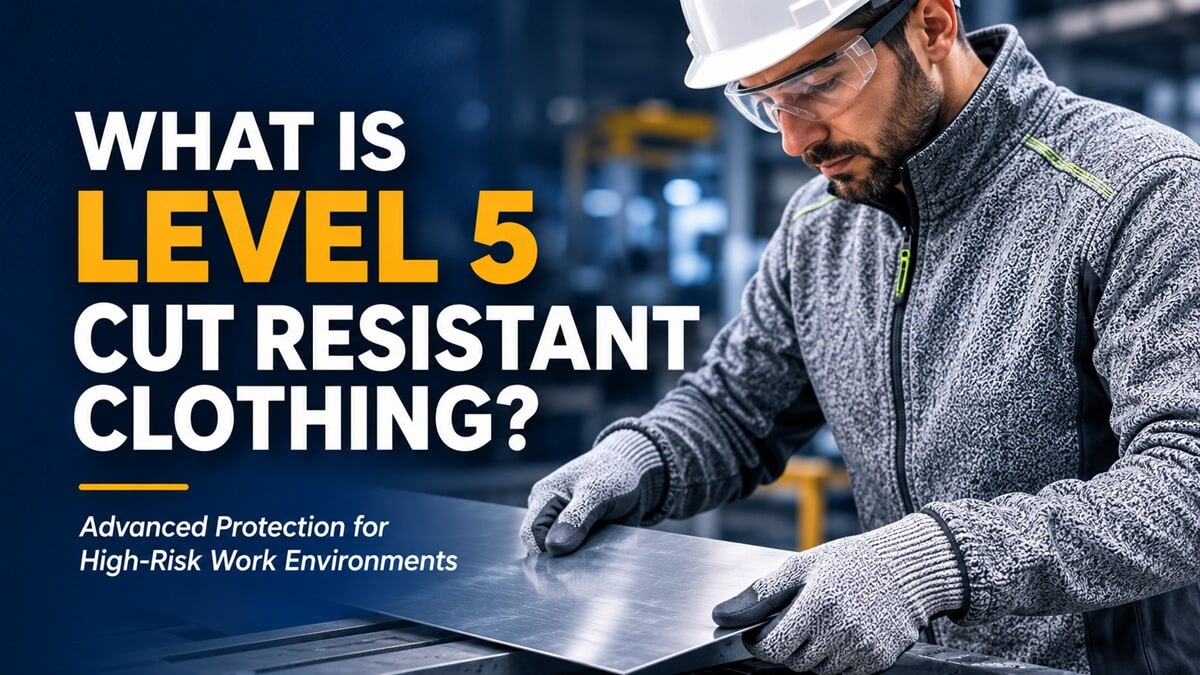
Cut resistant clothing refers to protective garments specifically engineered to reduce the risk of injuries caused by sharp edges, blades, metal sheets, glass, or other cutting hazards. Unlike ordinary workwear, these garments are manufactured using high-performance fibers and specialized cut resistant fabric that can withstand significantly higher cutting forces.
Common examples of cut resistant clothing include protective sleeves, jackets, shirts, pants, aprons, and arm guards. In many workplaces, these garments are worn together with cut-resistant gloves to provide comprehensive protection.
Modern functional clothing often combines cut resistance with additional performance features such as abrasion resistance, flame resistance, anti-static properties, moisture management, and lightweight comfort, allowing workers to remain protected without sacrificing mobility.
What Does Level 5 Cut Resistant Clothing Mean?
The term level 5 cut resistant clothing traditionally refers to garments that meet Level 5 under the former EN 388 cut resistance standard, which was widely used throughout Europe for many years.
Under the older EN 388 testing method, fabrics were rated from Level 1 to Level 5 based on the number of cycles required for a rotating blade to cut through the material. Level 5 represented the highest protection available under that testing system.
However, it is important to understand that the EN 388 standard was updated because the original blade test produced inconsistent results for very high-performance materials. The current version introduces the ISO 13997 TDM test, which measures the force required to cut through the material and assigns ratings from A to F.
Although many buyers still search for level 5 cut resistant clothing, today's products are often certified using both the older terminology and the newer EN 388 cut ratings to help customers compare performance.
How Is Cut Resistance Measured?
Understanding testing standards is essential when selecting cut resistant clothing.
Two major standards are commonly referenced worldwide:
EN 388 Standard
EN 388 evaluates protection against several mechanical risks, including abrasion, blade cuts, tearing, puncture, and, in its latest version, ISO 13997 cut resistance.
The current cut ratings range from A to F:
| Rating | Protection Level | Typical Application |
|---|---|---|
| A | Low | Light assembly work |
| B | Low to medium | Packaging and logistics |
| C | Medium | General manufacturing |
| D | High | Metal fabrication |
| E | Very high | Glass and sheet metal handling |
| F | Maximum | Extremely hazardous cutting environments |
ANSI/ISEA 105 Standard
In North America, ANSI/ISEA 105 is widely used. It classifies cut resistance from A1 through A9 based on the amount of force required to cut through a material.
Higher ratings indicate greater protection but do not necessarily mean the garment is appropriate for every task. Selecting the correct level depends on the actual workplace hazards.
Materials Used in Level 5 Cut Resistant Clothing
The performance of cut resistant clothing depends largely on the fibers used in the textile construction.
UHMWPE Fibers
One of the most widely used materials is ultra-high molecular weight polyethylene, commonly found in UHMWPE cut resistant clothing.
UHMWPE offers several important advantages:
Extremely high strength-to-weight ratio
Excellent cut resistance
Lightweight construction
Low moisture absorption
Comfortable long-term wear
Because of its outstanding balance between protection and comfort, UHMWPE cut resistant clothing has become increasingly popular in automotive manufacturing, logistics, warehousing, and precision assembly.
Aramid Fibers
Another important material is aramid fibers, which are well known for their exceptional mechanical strength and thermal stability.
Unlike UHMWPE, aramid fibers also provide excellent heat resistance, making them suitable for workplaces where both cutting hazards and elevated temperatures are present.
Many manufacturers blend aramid fibers with other high-performance materials to create multi-functional protective textiles.
Composite High-Performance Fibers
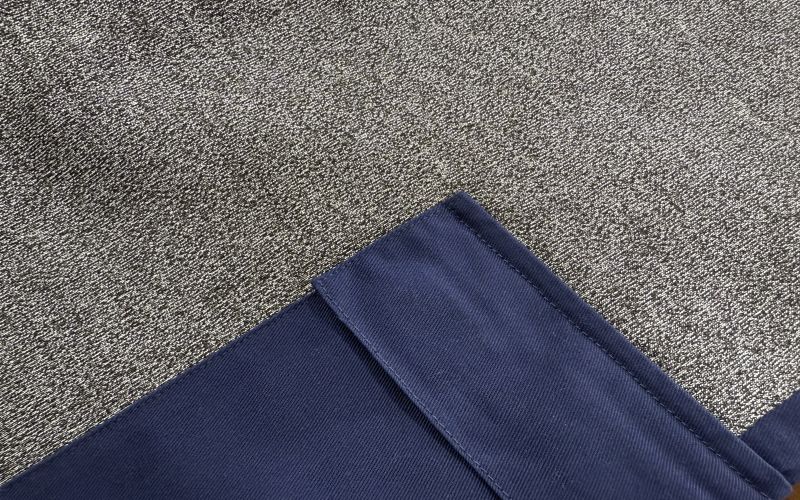
Modern cut resistant fabric often combines multiple fibers, including UHMWPE, aramid fibers, fiberglass, steel fibers, and engineered synthetic yarns. By carefully balancing these materials, manufacturers can optimize comfort, flexibility, durability, and cut protection for specific industrial applications.
Which Industries Use Level 5 Cut Resistant Clothing?
Level 5 cut resistant clothing is commonly used wherever workers are exposed to sharp materials or cutting tools.
Typical industries include:
Metal fabrication and sheet metal processing
Glass manufacturing
Automotive assembly
Construction
Machinery manufacturing
Recycling operations
Logistics and warehouse handling
Food processing using sharp knives
Aerospace manufacturing
Each industry presents unique hazards, so employers should perform risk assessments before selecting the appropriate level of cut resistant clothing.
Benefits of Level 5 Cut Resistant Clothing
One of the biggest advantages of level 5 cut resistant clothing is its ability to provide reliable protection while maintaining worker comfort and productivity.
High-quality garments made from advanced cut resistant fabric can significantly reduce the likelihood of lacerations caused by accidental contact with sharp objects. At the same time, modern textile engineering has made these garments lighter, more breathable, and more flexible than earlier generations of protective apparel.
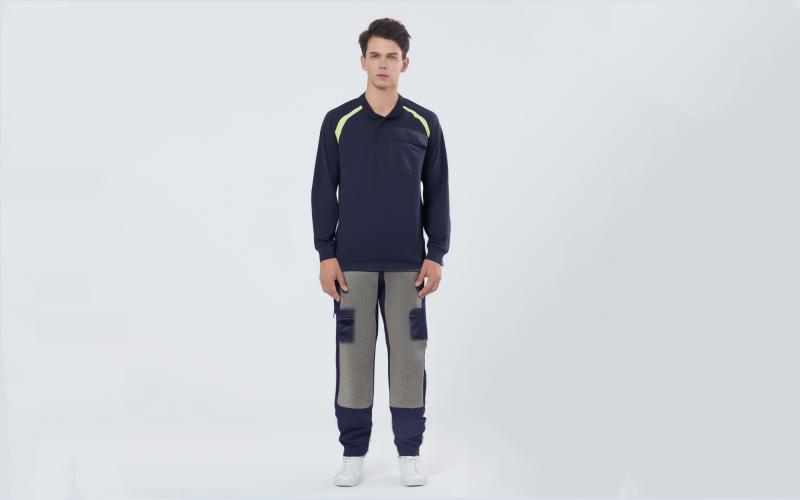
Many manufacturers also integrate additional protective functions into today's functional clothing, allowing a single garment to deliver cut resistance alongside flame resistance, anti-static performance, or moisture management. This multi-functional approach reduces the need for multiple layers of PPE and improves overall wearer comfort.
Another important advantage is durability. Premium cut resistant clothing is designed to withstand repeated industrial laundering and heavy daily use while maintaining its protective properties, helping companies reduce long-term replacement costs.
How to Choose the Right Cut Resistant Clothing
Choosing the right cut resistant clothing requires more than simply selecting the highest protection level.
First, identify the actual cutting hazards present in the workplace. Tasks involving light packaging may only require moderate protection, while handling sheet metal or broken glass may demand much higher levels.
Next, consider whether workers are exposed to additional hazards. In many industrial environments, garments may also need to provide heat resistance, flame protection, or anti-static performance. Selecting functional clothing that combines multiple protective features can improve both safety and efficiency.
Comfort should also be evaluated carefully. Lightweight materials such as those used in UHMWPE cut resistant clothing often improve mobility and reduce fatigue during long work shifts.
Finally, verify that garments comply with recognized international standards such as EN 388 or ANSI/ISEA 105, and request independent testing reports from the manufacturer whenever possible.
Latest Trends in Cut Resistant Clothing
Innovation in cut resistant clothing continues to accelerate as manufacturers develop lighter, stronger, and more sustainable protective textiles.
One of the biggest trends is the increasing adoption of engineered fiber blends. By combining aramid fibers, UHMWPE, and other advanced materials, manufacturers can achieve exceptional cut resistance without significantly increasing garment weight.
Sustainability is also becoming an important priority. Many textile producers are investing in environmentally responsible manufacturing processes, recyclable materials, and longer-lasting cut resistant fabric to reduce waste and improve product life cycles.
Another emerging trend is the integration of smart textile technologies. Future functional clothing may include embedded sensors capable of monitoring worker movement, detecting hazardous conditions, or tracking garment wear to improve workplace safety and maintenance planning.
As industrial automation continues to evolve, demand for highly specialized cut resistant clothing that balances protection, comfort, durability, and intelligent functionality is expected to grow steadily.
Conclusion
Cut resistant clothing plays a critical role in protecting workers from one of the most common industrial hazards—cuts and lacerations. Although level 5 cut resistant clothing remains a familiar term for many buyers, understanding today's updated EN 388 and ANSI cut resistance standards is essential for selecting the most appropriate level of protection.
Advances in materials such as UHMWPE cut resistant clothing, aramid fibers, and engineered cut resistant fabric have significantly improved both safety and wearer comfort. At the same time, the growing demand for multi-functional PPE is driving the development of innovative functional clothing that offers cut resistance alongside additional protective features.
By carefully evaluating workplace hazards, material performance, certification standards, and long-term durability, businesses can choose cut resistant clothing that enhances worker safety while improving productivity and reducing operational risk.
FAQ About Cut Resistant Clothing
Is Level 5 cut resistant clothing the highest level of protection?
Under the older EN 388 standard, Level 5 represented the highest blade cut rating. However, the updated EN 388 standard now uses ISO 13997 ratings from A to F, while ANSI/ISEA 105 uses ratings from A1 to A9.
Is UHMWPE better than aramid fibers?
Both materials have unique advantages. UHMWPE cut resistant clothing is generally lighter and more flexible, while aramid fibers offer superior heat and flame resistance. The best choice depends on the specific workplace hazards.
Can cut resistant clothing prevent all injuries?
No. Cut resistant clothing is designed to reduce the risk of cuts and lacerations but cannot guarantee complete protection against every sharp object or high-force impact. Proper PPE selection, worker training, and safe operating procedures remain essential.
How long does cut resistant clothing last?
The service life depends on usage, washing frequency, and workplace conditions. Regular inspection is recommended to ensure the cut resistant fabric has not been damaged or excessively worn.
Can cut resistant clothing be washed?
Yes. Most high-quality cut resistant clothing is designed for repeated industrial laundering. Always follow the manufacturer's care instructions to maintain protective performance over the garment's lifespan.
Related News
Read More >-
![Why the Electronics Industry Relies on Antistatic Fabric]()
Why the Electronics Industry Relies on Antistatic Fabric
-
![Why Antistatic Fabric Is Essential in Pharmaceutical Manufacturing]()
Why Antistatic Fabric Is Essential in Pharmaceutical Manufacturing
Explore why antistatic fabric has become an essential material in pharmaceutical manufacturing, how it works, its advantages over ordinary fabrics, and what buyers should consider when selecting pharmaceutical workwear.
-
![Top 10 Industries That Use Antistatic Fabric]()
Top 10 Industries That Use Antistatic Fabric
Discover the top 10 industries that use antistatic fabric, from electronics and pharmaceuticals to food processing, and learn how it improves safety and quality.
-
![What are Specialty Fabrics?]()
What are Specialty Fabrics?
Discover what specialty fabrics are, their key features, materials, and industrial applications. Explore innovations in functional fabric, flame retardant fabric, antistatic fabric, cut resistant fabric, and sustainable textile technologies.
-
![Cleanroom Clothing: The Ultimate Guide for Controlled Environments]()
Cleanroom Clothing: The Ultimate Guide for Controlled Environments
Learn everything about cleanroom clothing, including garment types, antistatic materials, ESD protection, key applications, and how to choose the right cleanroom garments for controlled environments.
-
![How to Choose Aramid Sewing Thread?]()
How to Choose Aramid Sewing Thread?
Learn how to choose the right aramid sewing thread for flame retardant clothing, industrial gloves, aerospace textiles, and high-heat applications. Compare meta aramid sewing thread vs para aramid sewing thread, key performance factors, and customization options.
-
![Exploring the Latest Innovations in Functional Fabrics]()
Exploring the Latest Innovations in Functional Fabrics
Discover how functional fabrics are transforming industries through smart textiles, advanced protective materials, sustainable fabric technologies, and next-generation applications in workwear, healthcare, sportswear, and industrial safety.
-
![Flame Retardant Polyester: Properties, Applications, Benefits, and Safety]()
Flame Retardant Polyester: Properties, Applications, Benefits, and Safety
Learn about flame retardant polyester, including its properties, applications, benefits, safety, certifications, and uses in flame retardant fabric and clothing.