



Which is Better, Aramid or Kevlar Fabric?
2026-08-14 14:59
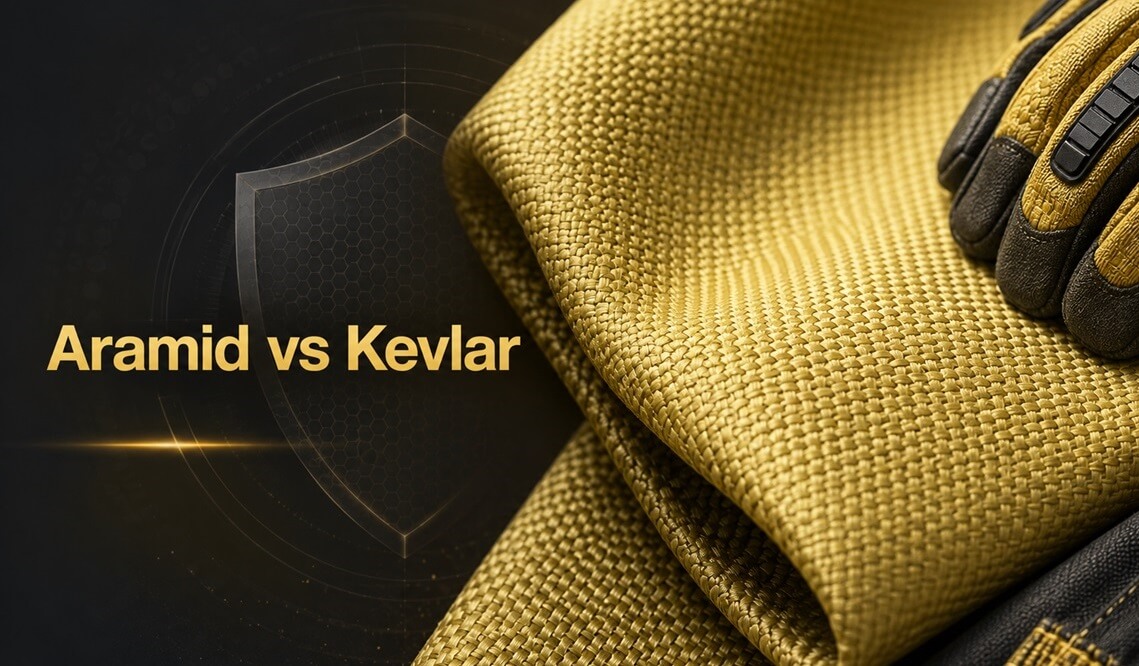
When choosing a high-performance textile for protective clothing, industrial equipment, automotive components, or other demanding applications, one question appears frequently: which is better, aramid or Kevlar fabric?
The answer is more nuanced than simply choosing one material over the other. Aramid fabric is a broad category of high-performance synthetic textile, while Kevlar® is a specific brand of para-aramid fiber developed by DuPont. In other words, Kevlar is a type of aramid, but not all aramid fabrics are Kevlar.
Understanding this distinction is important for buyers, engineers, textile manufacturers, and product designers because performance depends not only on fiber type, but also on yarn construction, fabric weave, weight, finishing, and the specific protection required.
Today, manufacturers are increasingly looking for lightweight materials that combine strength, thermal protection, durability, comfort, and multifunctional performance. New generations of aramid fibers are also being developed to improve flexibility and reduce weight while maintaining protection. For example, DuPont's newer Kevlar® EXO™ technology focuses on combining high protection with improved flexibility and low weight.
What Is Aramid Fabric?
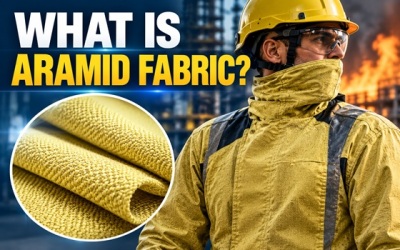
Aramid fabric is a textile made from aramid fibers, a family of synthetic aromatic polyamide fibers known for their high strength, thermal stability, and resistance to abrasion and chemicals.
The word "aramid" comes from "aromatic polyamide." Unlike conventional fibers such as polyester or nylon, aramid fibers have highly oriented molecular structures that provide exceptional mechanical and thermal properties.
Aramids are generally divided into two major categories:
Para-aramid
Meta-aramid
Para-aramids are primarily known for their outstanding tensile strength, cut resistance, impact resistance, and reinforcement performance. Kevlar® is one of the best-known para-aramid fibers.
Meta-aramids are particularly valued for inherent heat and flame resistance. They are widely used in protective clothing, electrical insulation, and other applications where thermal protection is more important than extreme tensile strength. DuPont, for example, describes Nomex® as a meta-aramid fiber with inherent flame-resistant properties.
Therefore, when someone asks about aramid fabric, it is important to determine which type of aramid is being discussed.
What Is Kevlar Fabric?
Kevlar fabric is fabric made using DuPont™ Kevlar® fiber. Kevlar is a trademarked para-aramid material rather than a generic name for every aramid textile.
Kevlar is particularly well known for its exceptional strength-to-weight ratio. It is used in applications ranging from cut-resistant gloves and protective clothing to ballistic protection, automotive components, fiber-optic cables, aerospace applications, and industrial reinforcement.
Kevlar's combination of high strength, low weight, thermal stability, and resistance to cuts and abrasion makes it an attractive material when mechanical protection is a priority.
This distinction leads to a simple way of understanding the terminology:
Aramid = material family
Kevlar = specific branded para-aramid fiber
Consequently, comparing "aramid" with "Kevlar" is technically similar to comparing a broad category with one specific material within that category.
Aramid Fabric vs. Kevlar Fabric: What Is the Difference?
The most important point is that there is no universal "better" option.
Because Kevlar is itself an aramid, the real comparison should usually be between a particular aramid fabric specification and a particular Kevlar fabric specification.
Performance can vary according to:
Fiber type
Fiber grade
Yarn construction
Aramid yarn denier
Fabric weight
Weave structure
Fabric density
Coatings and finishes
Garment construction
Required protection level
For example, a lightweight para-aramid fabric from one manufacturer may perform differently from a heavier Kevlar fabric designed for a completely different application.
Strength
Para-aramid materials are especially well known for their high tensile strength and strength-to-weight ratio. Kevlar has long been used where high mechanical strength is required without adding excessive weight.
This makes Kevlar and other para-aramids suitable for applications such as:
Cut-resistant gloves
Protective sleeves
Ballistic materials
Reinforced composites
Automotive components
Ropes and cables
Industrial reinforcement
If your primary requirement is mechanical strength, a high-quality para-aramid fabric can be an excellent choice.
Heat and Flame Resistance
Both para-aramid and meta-aramid materials can provide high-temperature performance, but their properties and applications differ.
Kevlar is inherently heat-resistant and flame-resistant and does not melt in the same way as many conventional synthetic fibers.
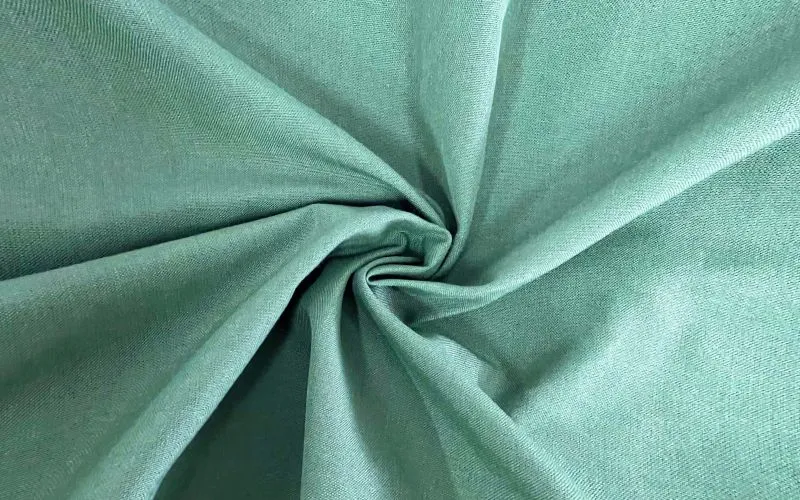
However, if the main requirement is continuous protection against heat and flame, a purpose-designed meta-aramid flame retardant fabric may be more appropriate.
For protective garments, buyers should therefore avoid assuming that "stronger" automatically means "better for fire protection." Thermal performance must be evaluated according to the actual hazard.
Is Kevlar More Flame Resistant Than Aramid?
This is a common misconception.
Kevlar is aramid, so it does not make sense to treat "Kevlar" and "aramid" as completely separate fiber families.
The more useful question is:
Which type of aramid is best for the specific flame and heat hazard?
Para-aramids such as Kevlar can provide inherent thermal and flame resistance while also delivering excellent mechanical strength. Meta-aramids, however, are specifically engineered for applications where thermal and flame protection are central requirements.
For protective clothing, fabric selection should therefore consider the complete hazard profile rather than relying on a material name alone.
International test methods can also help buyers make more meaningful comparisons. For example, ISO 17492:2019 specifies a method for measuring heat transmission through flame-resistant textile materials when exposed to a combination of convective and radiant heat.
The Importance of Aramid Yarn
Fabric performance begins with the fiber, but it does not end there.
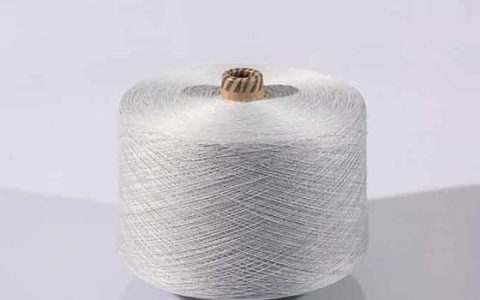
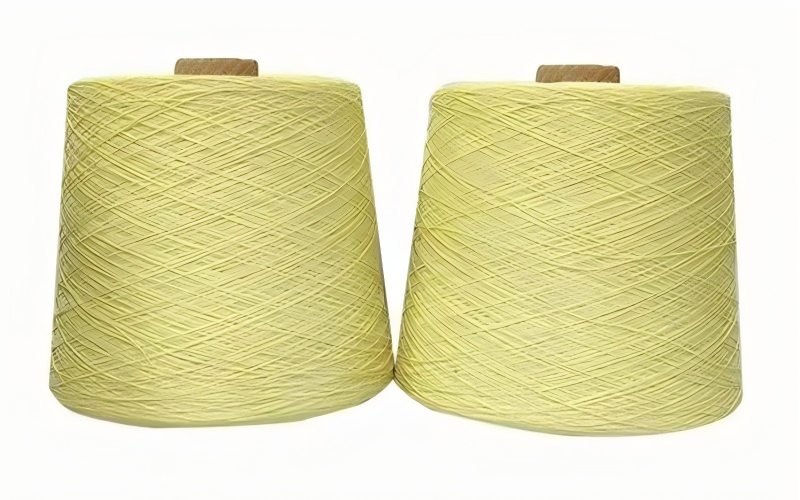
Aramid yarn plays a critical role in determining the final performance of an aramid fabric. Yarn count, twist, filament or staple construction, tensile strength, and blending ratio can all affect the characteristics of the finished textile.
For example, manufacturers may select different aramid yarn constructions depending on whether the final product is intended for:
Protective apparel
Cut-resistant gloves
Sewing thread
Industrial fabrics
Electrical insulation
Reinforced composites
Automotive applications
A high-performance yarn can also be woven, knitted, braided, or combined with other fibers to achieve different performance characteristics.
For protective clothing, fabric construction is particularly important. Two fabrics made from similar aramid fibers can have different abrasion resistance, tear strength, flexibility, air permeability, and thermal performance because their structures are different.
Which Is Better for Protective Clothing?
For protective clothing, the right choice depends on the hazard.
For Cut and Abrasion Protection
Para-aramid materials such as Kevlar are often a strong choice.
Their high mechanical strength makes them suitable for gloves, sleeves, protective panels, and other products where cuts, punctures, and abrasion are major concerns.
For Firefighter and Thermal Protection
A meta-aramid-based flame retardant fabric may be more suitable when continuous heat and flame protection is the primary objective.
Some protective garments may also combine different high-performance fibers rather than relying on a single fiber.
For Multi-Hazard Protection
A combination of fibers may provide a better balance.
For example, a protective garment could be engineered to provide:
Flame resistance
Cut resistance
Abrasion resistance
Electrical arc protection
Mechanical durability
Lightweight comfort
DuPont describes Kevlar as providing multiple performance characteristics including cut resistance, heat and flame protection, puncture resistance, and strength, while its Nomex product line focuses strongly on thermal and flame protection.
This illustrates why professional fabric selection should begin with the hazard rather than the brand name.
Aramid Fabric vs. Kevlar Fabric: Comparison Table
| Property | Aramid Fabric | Kevlar Fabric |
|---|---|---|
| Material category | Broad family of aramid fibers | Specific para-aramid brand |
| Strength | Depends on aramid type and grade | Very high |
| Heat resistance | Generally high | High |
| Flame resistance | Depends on fiber type | Inherently flame resistant |
| Cut resistance | Can be excellent | Excellent |
| Abrasion resistance | Generally excellent | Excellent |
| Weight | Can be engineered for low weight | Excellent strength-to-weight ratio |
| Flexibility | Depends on construction | Depends on fiber grade and fabric construction |
| Applications | Protective clothing, industrial textiles, composites, insulation | PPE, ballistic protection, automotive, aerospace, industrial products |
| Best selection method | Match fiber type to application | Match Kevlar grade/fabric construction to application |
The table demonstrates why "Kevlar is better" is not always the correct conclusion. The appropriate material depends on the performance requirements.
What Are the Advantages of Aramid Fabric?
A well-designed aramid fabric can provide several advantages over conventional textile materials.
1. High Strength-to-Weight Ratio
Aramid fibers can provide high mechanical performance without requiring a very heavy textile structure. This is particularly valuable for protective apparel, aerospace, automotive, and mobility applications.
2. Inherent Thermal Performance
Unlike conventional fabrics that may require chemical flame-retardant finishes, many aramid fibers have inherent thermal and flame-resistant properties.
This can be especially valuable for protective garments that must retain performance after repeated washing and use.
3. Excellent Abrasion and Cut Resistance
Para-aramid fibers are widely used where mechanical hazards are present. Kevlar, for example, is recognized for cut protection and strength reinforcement.
4. Long-Term Durability
Aramid materials can provide excellent durability in demanding environments, although performance depends on the specific fiber, fabric structure, exposure conditions, and garment design.
5. Versatile Processing
Aramid fibers can be converted into yarns, woven fabrics, knitted structures, sewing threads, composites, and other engineered textile products.
This versatility allows manufacturers to customize materials for very different industrial applications.
What Are the Limitations of Aramid and Kevlar Fabric?
Despite their advantages, neither aramid fabric nor Kevlar fabric is a universal solution.
UV Sensitivity
Some aramid fibers can experience degradation after prolonged exposure to ultraviolet radiation. For outdoor applications, appropriate fabric construction, coloration, coatings, or protective layers may be necessary.
Moisture and Chemical Considerations
Aramid performance can be affected by environmental conditions and chemical exposure. The appropriate material should therefore be selected according to the actual operating environment rather than based only on tensile strength.
Cost
High-performance aramid materials generally cost more than conventional polyester, nylon, or cotton fabrics.
However, a higher initial material cost may be justified when the fabric provides longer service life or significantly improves worker protection.
Comfort
Very heavy or densely woven protective fabrics can reduce breathability and flexibility. Modern protective textile development is therefore increasingly focused on balancing protection with comfort.
Industry Trend: Lighter and More Multifunctional Protective Textiles
One of the most important trends in the protective textile industry is the development of materials that provide greater protection without significantly increasing garment weight.
This is especially important for firefighters, industrial workers, military personnel, law enforcement officers, and other professionals who may need to wear protective equipment for extended periods.
Recent aramid innovation illustrates this direction. DuPont's Kevlar® EXO™ is positioned as a next-generation aramid technology emphasizing a combination of strength, flexibility, durability, flame resistance, and reduced weight.
At the same time, manufacturers are increasingly moving toward multifunctional textiles rather than single-purpose materials. A modern protective fabric may need to address several risks simultaneously, such as heat, flame, cuts, abrasion, electrical hazards, and mechanical impact.
Another important trend is sustainability. High-performance fiber manufacturers are increasingly researching ways to reduce environmental impact while maintaining the demanding performance expected from technical textiles. DuPont, for example, states that it is developing performance fibers with the goal of protecting people and equipment while lowering carbon footprint.
How Should Buyers Choose Between Aramid and Kevlar Fabric?
For B2B buyers, the best approach is to avoid purchasing based solely on the word "Kevlar" or "aramid."
Instead, ask suppliers for detailed technical specifications.
Important questions include:
What type of aramid fiber is used?
Is it para-aramid or meta-aramid?
What is the aramid yarn specification?
What is the fabric weight?
What is the weave or knit construction?
What are the tensile and tear strength values?
What is the cut-resistance performance?
What are the heat and flame test results?
What standards does the fabric meet?
How does the fabric perform after washing or long-term use?
Is the fabric intended for single-layer or multilayer protection?
Can the supplier provide test reports and sample materials?
For protective clothing, test data is particularly important. A fabric's marketing description cannot replace laboratory testing under the standards relevant to the intended application.
Frequently Asked Questions
Is Kevlar fabric the same as aramid fabric?
No. Kevlar is a specific branded para-aramid fiber, while aramid refers to a broader family of aromatic polyamide fibers. Therefore, all Kevlar is aramid, but not all aramid is Kevlar.
Is aramid stronger than Kevlar?
This is not a technically accurate comparison because Kevlar is itself a type of aramid. Different aramid fibers can have different strength, thermal, chemical, and mechanical properties.
Is Kevlar better than flame retardant fabric?
Not necessarily. Kevlar provides excellent strength, cut resistance, and thermal performance, but a purpose-designed flame retardant fabric may be more appropriate when sustained thermal and flame protection is the primary requirement.
Can aramid fabric be used for protective clothing?
Yes. Aramid fabric is widely used in protective apparel and industrial applications because of its combination of strength, thermal stability, durability, and low weight.
Is aramid fabric expensive?
Generally, aramid fabrics cost more than conventional textiles because they use high-performance specialty fibers and require specialized manufacturing. The actual price depends on fiber type, fabric weight, construction, specifications, certification, and order volume.
What is the role of aramid yarn in fabric performance?
Aramid yarn is the building block from which many aramid textiles are produced. Yarn strength, construction, denier, twist, and processing can significantly influence the final fabric's mechanical and protective properties.
Final Verdict: Which Is Better, Aramid or Kevlar Fabric?
The simplest answer is: Kevlar is not an alternative to aramid—it is a type of aramid.
If you need high tensile strength, cut resistance, abrasion resistance, and excellent strength-to-weight performance, a para-aramid fabric such as Kevlar can be an excellent solution.
If your primary requirement is thermal and flame protection, however, a purpose-designed meta-aramid flame retardant fabric may be more appropriate.
For many industrial applications, the most effective solution is not simply selecting the "strongest" fiber. Instead, manufacturers should consider the entire textile system, including fiber type, aramid yarn, fabric construction, weight, finishing, garment design, testing standards, and end-use environment.
As the protective textile industry moves toward lighter, more flexible, durable, and multifunctional materials, the distinction between "aramid" and "Kevlar" will become increasingly important for professional buyers. The best material is ultimately the one that delivers the right combination of protection, comfort, durability, compliance, and cost for the specific application.
Related News
Read More >-
![What Is Aramid Fabric?]()
What Is Aramid Fabric?
Learn what aramid fabric is, its key properties, the differences between meta aramid fabric and para aramid fabric, common applications, and how to choose the right flame retardant fabric for industrial protective clothing.
-
![What is Level 5 Cut Resistant Clothing?]()
What is Level 5 Cut Resistant Clothing?
-
![Why the Electronics Industry Relies on Antistatic Fabric]()
Why the Electronics Industry Relies on Antistatic Fabric
-
![Why Antistatic Fabric Is Essential in Pharmaceutical Manufacturing]()
Why Antistatic Fabric Is Essential in Pharmaceutical Manufacturing
Explore why antistatic fabric has become an essential material in pharmaceutical manufacturing, how it works, its advantages over ordinary fabrics, and what buyers should consider when selecting pharmaceutical workwear.
-
![Top 10 Industries That Use Antistatic Fabric]()
Top 10 Industries That Use Antistatic Fabric
Discover the top 10 industries that use antistatic fabric, from electronics and pharmaceuticals to food processing, and learn how it improves safety and quality.
-
![What are Specialty Fabrics?]()
What are Specialty Fabrics?
Discover what specialty fabrics are, their key features, materials, and industrial applications. Explore innovations in functional fabric, flame retardant fabric, antistatic fabric, cut resistant fabric, and sustainable textile technologies.
-
![Cleanroom Clothing: The Ultimate Guide for Controlled Environments]()
Cleanroom Clothing: The Ultimate Guide for Controlled Environments
Learn everything about cleanroom clothing, including garment types, antistatic materials, ESD protection, key applications, and how to choose the right cleanroom garments for controlled environments.
-
![How to Choose Aramid Sewing Thread?]()
How to Choose Aramid Sewing Thread?
Learn how to choose the right aramid sewing thread for flame retardant clothing, industrial gloves, aerospace textiles, and high-heat applications. Compare meta aramid sewing thread vs para aramid sewing thread, key performance factors, and customization options.