




Safety Workwear: Why Is It Important for Employees?
2026-04-24 14:16
In today's evolving industrial landscape, ensuring employee safety is no longer optional—it is a fundamental responsibility for every organization. From manufacturing plants to agricultural fields, safety workwear plays a critical role in protecting workers from hazards while improving efficiency and compliance. As industries adopt new technologies and stricter safety standards, the demand for advanced safety workwear continues to grow.
Modern workplaces face a wide range of risks, including mechanical injuries, chemical exposure, thermal hazards, and electrostatic discharge. To address these challenges, companies rely on high-performance safety workwear and protective workwear designed to meet specific operational needs. This article explores what safety workwear is, its different types, its benefits, and why it is essential for both employees and employers.
What Is Safety Workwear?
Definition and Purpose
Safety workwear refers to specialized clothing and equipment designed to protect workers from workplace hazards. Unlike regular uniforms, safety workwear is engineered with advanced materials and functional features that reduce the risk of injury and ensure compliance with industry safety standards.
The primary purpose of safety workwear is to create a protective barrier between workers and potential dangers. Whether it’s heat, chemicals, sharp objects, or electrical risks, safety workwear helps minimize exposure and prevent accidents. Today, protective workwear is not only about safety but also about comfort, durability, and performance in demanding environments.
Common Workplace Hazards Addressed
Different industries face different hazards, and safety workwear is designed to address these specific risks. Common workplace hazards include:
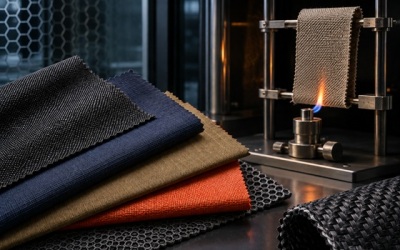
Thermal hazards: High temperatures and flames require flame retardant clothing to prevent burns.
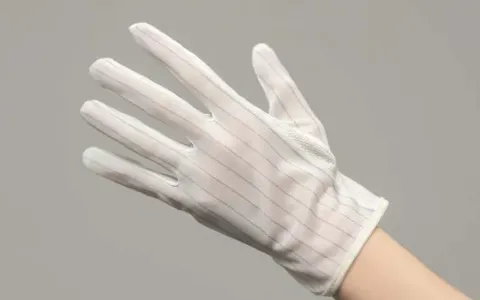
Electrical hazards: Static electricity can damage sensitive equipment, making antistatic clothing essential in electronics manufacturing.
Chemical exposure: Agricultural and industrial workers rely on pesticide clothing to avoid harmful contact with chemicals.
Biological risks: In agriculture and beekeeping, beekeeping suits provide protection from insect stings and environmental exposure.
By addressing these hazards, safety workwear ensures that employees can perform their tasks safely and efficiently.
Types of Safety Workwear
General Protective Workwear
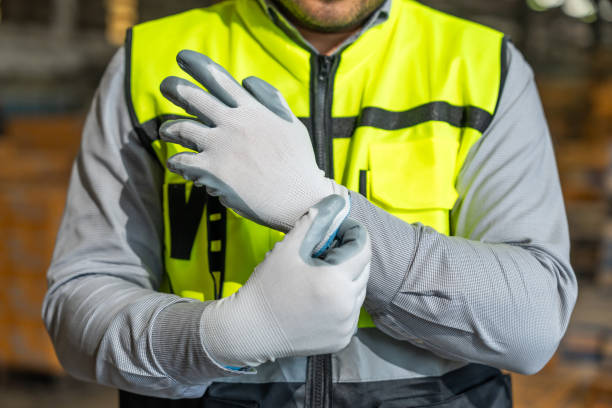
General protective workwear includes essential safety gear used across multiple industries. This category covers items such as helmets, gloves, safety boots, and high-visibility clothing. These basic forms of safety workwear are designed to provide fundamental protection against common workplace risks.
For example, construction workers rely on helmets and reinforced footwear, while warehouse staff use gloves and visibility vests. Although simple, general protective workwear forms the foundation of workplace safety systems.
Functional Protective Clothing
Functional safety workwear is designed to address specific hazards through advanced materials and engineering. This category includes:
Flame retardant clothing: Protects workers from fire and high temperatures in industries such as oil and gas or welding.
Antistatic clothing: Prevents electrostatic discharge, which is critical in electronics and cleanroom environments.
Cut-resistant and chemical-resistant garments
These types of safety workwear are tailored for high-risk environments where standard protection is not sufficient. As industries evolve, functional protective workwear continues to integrate innovative materials for improved performance.
Specialty Workwear for Niche Applications
One of the most important trends in modern safety solutions is the rise of specialty workwear. Unlike general or functional clothing, specialty workwear is designed for highly specific industries and applications.
Examples include:
Beekeeping suits: Provide full-body protection against bee stings while allowing ventilation and mobility.
Pesticide clothing: Designed to resist chemical penetration, protecting agricultural workers from exposure to harmful substances.
These niche solutions highlight how safety workwear has evolved to meet highly specialized needs. The growing demand for specialty workwear reflects the increasing complexity of workplace environments and the need for targeted protection.
Key Benefits of Safety Workwear for Employees
The importance of safety workwear extends beyond basic protection. It offers several key benefits for employees:
Injury prevention: High-quality safety workwear significantly reduces the risk of workplace accidents.
Improved comfort: Modern protective workwear is designed for breathability and flexibility, allowing workers to perform tasks efficiently.
Enhanced confidence: When employees feel protected, they are more focused and productive.
Adaptability to environments: From extreme heat to chemical exposure, safety workwear ensures workers can operate in diverse conditions.
In addition, the integration of advanced materials in safety workwear supports long-term durability, making it a reliable investment for both employees and employers.
Why Employers Should Require Safety Workwear
Compliance with Safety Regulations
One of the primary reasons employers must provide safety workwear is to comply with safety regulations. Governments and industry bodies require companies to supply appropriate protective workwear to employees.
Standards often mandate the use of:
Flame retardant clothing in fire-risk environments
Antistatic clothing in electronics manufacturing
Chemical-resistant garments such as pesticide clothing
Failure to comply with these regulations can result in penalties, legal issues, and reputational damage.
Reducing Workplace Costs and Liabilities
Investing in safety workwear can significantly reduce workplace costs. Accidents and injuries lead to medical expenses, downtime, and compensation claims. By providing proper protective workwear, employers can minimize these risks.
For example, using specialty workwear like beekeeping suits or pesticide clothing in agriculture reduces the likelihood of injuries and long-term health issues. This proactive approach not only protects employees but also safeguards business operations.
Improving Productivity and Employee Confidence
When employees wear reliable safety workwear, they feel more secure and confident in their roles. This confidence translates into higher productivity and better performance.
Comfortable and well-designed protective workwear also reduces fatigue, enabling workers to focus on their tasks. In industries requiring precision, such as electronics manufacturing, antistatic clothing ensures both safety and operational efficiency.

How to Choose the Right Safety Workwear for Your Industry
Assessing Workplace Risks
The first step in selecting the right safety workwear is identifying workplace hazards. Each industry has unique risks, and choosing appropriate protective workwear depends on understanding these challenges.
For instance:
Fire hazards require flame retardant clothing
Chemical exposure requires pesticide clothing
Static-sensitive environments require antistatic clothing
Selecting Materials and Performance Features
Material selection is crucial for effective safety workwear. High-performance fabrics offer better protection, durability, and comfort.
Modern safety workwear often incorporates:
Heat-resistant fibers for thermal protection
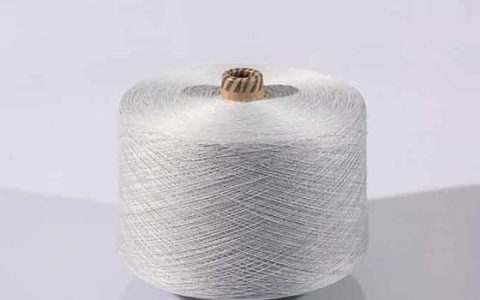
Conductive fibers for static control
Chemical-resistant coatings for hazardous environments
The choice of materials directly impacts the effectiveness of protective workwear in real-world applications.
Ensuring Proper Fit and Comfort
Even the most advanced safety workwear will not be effective if it does not fit properly. Ill-fitting garments can restrict movement and reduce protection.
Employers should ensure that:
Safety workwear fits comfortably
Workers can move freely
Garments are suitable for long-term wear
Comfort is especially important in specialty workwear such as beekeeping suits, where workers must operate in challenging conditions for extended periods.
Conclusion
In today's complex work environments, safety workwear is essential for protecting employees, improving productivity, and ensuring compliance with safety standards. From general protective workwear to advanced specialty workwear like beekeeping suits and pesticide clothing, modern solutions are designed to address a wide range of workplace hazards.
By investing in high-quality safety workwear, businesses can create safer work environments, reduce risks, and enhance overall performance. Whether it’s flame retardant clothing for high-temperature conditions or antistatic clothing for sensitive electronics, the right safety workwear makes a significant difference in both safety and efficiency.
As industries continue to evolve, the role of safety workwear will only become more important, making it a key factor in sustainable and responsible business operations.
Related News
Read More >-
![Cleanroom Clothing vs. Antistatic Clothing: What's the Difference?]()
Cleanroom Clothing vs. Antistatic Clothing: What's the Difference?
Compare cleanroom clothing vs. antistatic clothing, including key differences in fabric, ESD protection, contamination control, standards, and applications.
-
![How to Choose Stainless Steel Yarn for Conductive Textiles?]()
How to Choose Stainless Steel Yarn for Conductive Textiles?
Learn how to choose stainless steel yarn for conductive textiles. Compare fiber content, electrical resistance, yarn count, durability, and testing requirements.
-
![Stainless Steel Yarn vs. Conductive Yarn: What's the Difference?]()
Stainless Steel Yarn vs. Conductive Yarn: What's the Difference?
Compare stainless steel yarn with carbon and silver-coated conductive yarns. Explore differences in conductivity, durability, flexibility, and applications.
-
![How Does an Antistatic Jacket Work?]()
How Does an Antistatic Jacket Work?
Learn how an antistatic jacket works, how conductive yarn and antistatic fabric dissipate static charge, and what affects ESD protection performance.
-
![What Is an Antistatic Jacket?]()
What Is an Antistatic Jacket?
Learn what an antistatic jacket is, how it works, the materials used, key applications, ESD standards, and how to choose the right jacket for work.
-
![What Is Stainless Steel Yarn Used For?]()
What Is Stainless Steel Yarn Used For?
Discover what stainless steel yarn is used for, from antistatic and EMI shielding fabrics to smart textiles, heating, and protective clothing.
-
![What Is Stainless Steel Yarn?]()
What Is Stainless Steel Yarn?
What is stainless steel yarn? Learn about its conductivity, properties, types, applications, and uses in antistatic, ESD, and functional textiles.
-
![What Are Flame Retardant Textiles?]()
What Are Flame Retardant Textiles?
Learn what flame retardant textiles are, how they work, key fabric types, applications, standards, and how to choose flame-resistant fabrics for protective clothing.