



Is Your Fireproof Fabric Truly Safe?
2026-11-24 08:06
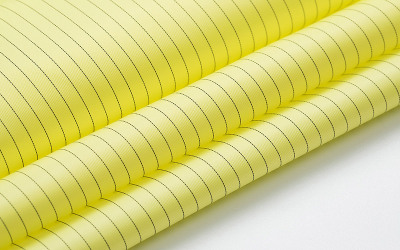
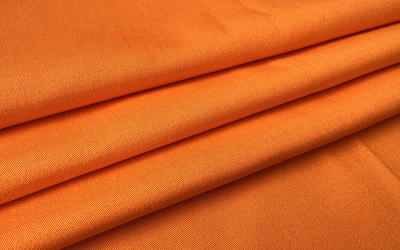
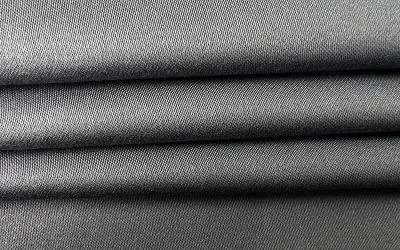
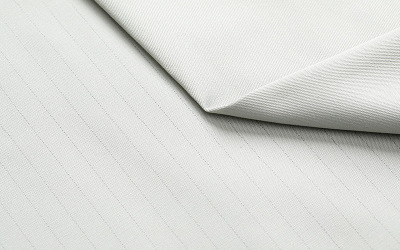
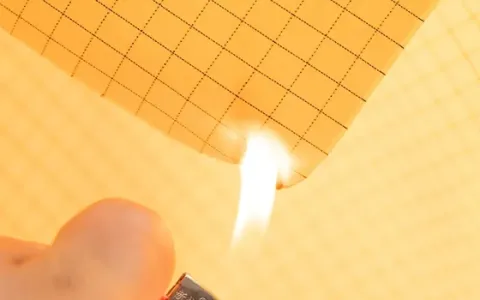
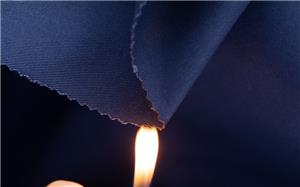
Imagine this: a maintenance engineer in a petrochemical plant notices a small fray on a worker's protective coverall. It's easy to dismiss as minor wear, but that tiny breach could be the difference between life and death in a flash fire. Is your fireproof fabric truly safe? The answer isn't as straightforward as a yes or no—it depends on the fabric's inherent properties, the manufacturing process, and the rigorous testing it undergoes. At Jiangsu Textile Research Institute Inc., we've spent decades ensuring that when we say 'fireproof,' we mean it. In this deep dive, we'll explore the hidden risks, the science behind true protection, and how to choose fabrics that don't just meet standards but exceed them.


Related News
Read More >-
![Why Does ESD Fabric Fail?]()
Why Does ESD Fabric Fail?
1. Introduction: The shocking truth about ESD fabric failures 2. Pain Points: Three costly scenarios in electronics manufacturing 3. Solutions: Engineered ESD fabrics that deliver reliability 4. Customer Success Stories: Real-world results from Europe and North America 5. Applications and Partnerships: Where ESD fabric makes a difference 6. FAQ: Answers to engineers' toughest questions 7. Conclusion and Call to Action: Get the white paper or talk to our engineers
-
![What Makes FR Fabrics Truly Reliable?]()
What Makes FR Fabrics Truly Reliable?
1. Introduction: The Campfire Test 2. The Hidden Costs of Non-Compliant FR Fabrics 3. Engineering Reliability: The Science Behind FR Fabrics 4. Real-World Success Stories 5. Applications and Partnerships 6. FAQ for Engineers and Procurement Managers 7. Conclusion and Call to Action
-
![What Makes Fire Fabrics Truly Safe?]()
What Makes Fire Fabrics Truly Safe?
Introduction: The Moment That Defines Safety
Pain Points: Where Conventional Fire Fabrics Fail
1. The Hidden Cost of Afterglow
2. The Stiffness Penalty
3. The Durability Gap
Solutions: Engineering Fire Fabrics That Perform
1. Eliminating Afterglow with Phosphorus-Nitrogen Synergy
2. Softness Without Compromise
3. Built to Last: Durability by Design
Customer Success Stories
Case 1: Maria Sanchez, Plant Manager, Valencia, Spain
Case 2: David Chen, Procurement Director, Houston, USA
Case 3: Emma Wilson, Safety Engineer, Manchester, UK
Case 4: Lars Johansson, Production Head, Gothenburg, Sweden
Case 5: Aisha Al-Farsi, Project Manager, Dubai, UAE
Applications and Partnerships
FAQ: What Engineers and Procurement Managers Really Ask
1. How does your fire fabric perform after 50 industrial washes?
2. Can you meet both NFPA 2112 and EN ISO 11612?
3. What is the lead time for custom fire fabric orders?
4. How do you ensure consistent quality across batches?
5. What testing data do you provide for certification?
Conclusion: Your Partner in Fire Safety
-
![Why Do ESD Fabrics Fail in Cleanrooms?]()
Why Do ESD Fabrics Fail in Cleanrooms?
1. Introduction: The hidden cost of ESD failures and the critical role of fabrics.
2. Pain Points: Surface resistance instability, particle shedding, and moisture-dependent performance.
3. Solutions: Engineered conductive networks, advanced fiber blending, and humidity-independent finishes.
4. Case Studies: Real-world successes from Germany, Japan, USA, and France.
5. Applications & Partnerships: Key industries and collaboration with Jiangsu Textile Research Institute Inc.
6. FAQ: Answers to common technical questions from engineers and procurement.
7. Conclusion: Recap and call to action for technical whitepaper and expert consultation. -
![Why Does Your Antistatic Silk Lining Fail?]()
Why Does Your Antistatic Silk Lining Fail?
1. Introduction: The Hidden Cost of Static in High-End Manufacturing 2. Pain Points: Where Antistatic Silk Linings Fall Short 3. Solutions: Engineering Antistatic Silk for Reliability 4. Customer Success Stories: Real Results from Global Manufacturers 5. Applications and Partnerships: Where Performance Matters 6. FAQ: Answers from the Field 7. Conclusion: Take Control of Static Before It Costs You
-
![Is Your ESD Fabric Really Antistatic?]()
Is Your ESD Fabric Really Antistatic?
1. Introduction: The Hidden Risks of Static in High-Tech Manufacturing 2. Industry Pain Points: Where Conventional ESD Fabrics Fail 3. The Solution: Engineered Antistatic ESD Fabrics from Jiangsu Textile Research Institute Inc. 4. Customer Success Stories: Real-World Results 5. Applications and Partnerships: Trusted by Industry Leaders 6. FAQ: Expert Answers to Common Questions 7. Conclusion and Call to Action
-
![Is Your Lining Really Fire Retardant?]()
Is Your Lining Really Fire Retardant?
1. Introduction: The Hidden Risks of Non-Compliant Linings 2. Industry Pain Points: Flammability, Durability, and Compliance Gaps 3. Solutions: Advanced Fire Retardant Lining Fabrics from Jiangsu Textile Research Institute Inc. 4. Customer Success Stories: Real-World Results 5. Applications and Partnerships: Trusted by Global Leaders 6. FAQ: Answers from Our Engineers 7. Conclusion & Call to Action
-
![Is Your Garment Fabric Yarn Costing You Millions?]()
Is Your Garment Fabric Yarn Costing You Millions?
1. Introduction: The Hidden Costs of Yarn 2. Pain Points: Quality Inconsistency, Supply Chain Disruptions, and Performance Gaps 3. Solutions: Advanced Yarn Engineering and Quality Control 4. Case Studies: Real-World Success Stories 5. Applications and Partnerships: Trusted by Industry Leaders 6. FAQ: Technical Insights for Engineers and Procurement Managers 7. Conclusion: Take Action to Optimize Your Yarn Strategy