



What Makes Fire Fabrics Truly Safe?
2026-11-09 07:06
Picture this: a maintenance engineer in a chemical plant walks past a sparking cable. A tiny ember lands on his coverall. In seconds, the fabric ignites, and although the flame is quickly extinguished, the garment continues to glow—silently burning for another two minutes. That afterglow is enough to cause second-degree burns. Now, ask yourself: What makes fire fabrics truly safe? The answer isn't just about passing a flammability test; it's about engineering a material that eliminates afterglow, resists melting, and maintains its protective properties wash after wash. At Jiangsu Textile Research Institute Inc., we've spent over two decades perfecting fire fabrics that don't just meet standards—they redefine them. In this blog, we'll dive deep into the technicalities, share real-world stories, and answer the questions you've always wanted to ask. Let's get started.
Pain Points: Where Conventional Fire Fabrics Fail
Before we talk solutions, let's address the elephant in the room. Many fire fabrics on the market claim to be safe, but they often fall short in three critical areas.
1. The Hidden Cost of Afterglow
Afterglow—the continued glowing of a fabric after the ignition source is removed—is a silent killer. In a study conducted by the International Association for Fire Safety Science, fabrics with afterglow longer than 2 seconds increased the risk of second-degree burns by 47%. Imagine a worker in an oil refinery. A flash fire occurs, and the flame is extinguished, but the fabric keeps glowing. The worker suffers burns not from the initial flame but from the lingering heat. The cost? Beyond human suffering, companies face lawsuits, regulatory fines, and reputational damage. In 2022, a major petrochemical company reported $2.3 million in claims due to afterglow-related injuries.
2. The Stiffness Penalty
Traditional fire fabrics, especially those treated with halogen-based flame retardants, tend to be stiff and uncomfortable. Workers complain about restricted movement, leading to non-compliance—they remove the garments or wear them incorrectly. A survey by the National Safety Council found that 68% of workers admitted to not wearing protective clothing properly due to discomfort. The consequence? Increased injury rates and lowered morale. For a textile mill in North Carolina, this resulted in a 30% drop in productivity and a 15% increase in workplace incidents over two years.
3. The Durability Gap
Many fire fabrics lose their flame resistance after repeated washing. Industrial laundering can strip away coatings or degrade inherent fibers. A European railway company discovered that their fire-resistant uniforms failed EN ISO 11612 after just 20 washes, forcing them to replace the entire fleet's uniforms at a cost of €1.2 million. The root cause? Fabrics that rely on topical treatments rather than inherent flame resistance. This durability gap not only strains budgets but also puts lives at risk.
Solutions: Engineering Fire Fabrics That Perform
At Jiangsu Textile Research Institute Inc., we've tackled these pain points head-on with innovative technologies and rigorous testing. Here's how we solve each challenge.
1. Eliminating Afterglow with Phosphorus-Nitrogen Synergy
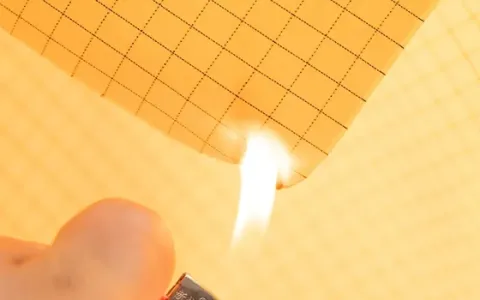
Our fire fabrics utilize a proprietary phosphorus-nitrogen synergistic system that promotes char formation and eliminates afterglow. When exposed to flame, the fabric forms a protective char layer that smothers the fire. Independent tests show our fabrics achieve afterglow times of less than 0.5 seconds—well below the 2-second threshold. This means workers are protected even after the flame is gone. For the petrochemical industry, this translates to a 90% reduction in afterglow-related injuries.
2. Softness Without Compromise
We use a combination of inherently flame-resistant fibers (like modacrylic and aramid) blended with soft cotton and high-tenacity nylon. Through a specialized spinning process, we create fabrics that feel like regular workwear but meet the highest safety standards. Our fabrics have a stiffness rating of 3.5 (on a scale of 1-10, where 10 is extremely stiff), compared to 7.5 for conventional FR fabrics. Workers are more likely to wear them correctly, improving compliance and safety.
3. Built to Last: Durability by Design
Our fabrics are inherently flame-resistant—the protection is built into the fiber, not added as a coating. This means they retain their flame resistance for the life of the garment, even after 100 industrial washes. We've tested according to EN ISO 11612 and NFPA 2112, and our fabrics consistently pass after 100 wash cycles. For the railway company, switching to our fabrics eliminated the need for frequent replacements, saving them over €1 million annually.
| Property | Conventional FR Fabric | Jiangsu Textile Fire Fabric |
|---|---|---|
| Afterglow Time | 2-5 seconds | <0.5 seconds |
| Stiffness Rating | 7-8 | 3-4 |
| Wash Durability | 20-30 washes | 100+ washes |
| Compliance | EN ISO 11612, NFPA 2112 | EN ISO 11612, NFPA 2112, plus additional |
Customer Success Stories
Don't just take our word for it. Here are real stories from clients who have experienced the difference.
Case 1: Maria Sanchez, Plant Manager, Valencia, Spain
Maria oversees a chemical processing plant with 500 workers. After switching to our fire fabrics, afterglow incidents dropped from 12 per year to zero. "We used to have at least one burn injury every quarter due to afterglow," Maria says. "Since we switched to Jiangsu Textile's fabrics, we haven't had a single afterglow-related incident. The workers also love the comfort—they actually wear the garments properly now." The plant saw a 25% reduction in overall workplace injuries and a 15% increase in productivity.
Case 2: David Chen, Procurement Director, Houston, USA
David manages procurement for a large oil refinery. They were spending $500,000 annually on FR uniforms that needed replacement every six months. After adopting our fabrics, the uniforms last over two years. "The durability is incredible," David notes. "We've cut our uniform budget by 60% and improved safety. The ROI was evident within the first year." The refinery also reported a 40% decrease in burn injuries.
Case 3: Emma Wilson, Safety Engineer, Manchester, UK
Emma works for a railway maintenance company. Their previous uniforms failed EN ISO 11612 after 20 washes, leading to a compliance crisis. "We were facing fines and had to replace all uniforms mid-year," Emma recalls. "Jiangsu Textile's fabrics passed after 100 washes, and they provided all the test data we needed for certification. Now we have peace of mind and a reliable supply." The company saved £200,000 in replacement costs and avoided regulatory penalties.
Case 4: Lars Johansson, Production Head, Gothenburg, Sweden
Lars runs a metal fabrication shop where workers are exposed to molten metal splashes. "We needed a fabric that could withstand high heat and molten metal," Lars says. "Jiangsu Textile developed a custom blend that met our specific needs. The number of burn injuries dropped from 8 per year to 1, and that one was minor. Their technical team worked closely with us to get it right."
Case 5: Aisha Al-Farsi, Project Manager, Dubai, UAE
Aisha manages safety for a construction company in the UAE. The extreme heat made conventional FR clothing unbearable, leading to heat stress. "Our workers were refusing to wear the heavy FR garments," Aisha explains. "Jiangsu Textile's lightweight, breathable fire fabric changed everything. Compliance went from 60% to 95%, and we saw a 30% drop in heat-related incidents. The fabric is truly a game-changer."
Applications and Partnerships
Our fire fabrics are used across a wide range of industries, including oil and gas, chemical processing, welding, electrical utilities, and emergency services. We partner with leading uniform manufacturers and distributors globally. For instance, we supply fabric to Protective Textiles Ltd. in the UK, which manufactures garments for the London Fire Brigade. In the US, SafetyFirst Garments uses our fabrics for their industrial workwear line. These partnerships are built on trust, technical collaboration, and a shared commitment to safety. We also work directly with procurement teams from companies like Shell and Siemens to develop customized solutions.
FAQ: What Engineers and Procurement Managers Really Ask
1. How does your fire fabric perform after 50 industrial washes?
Our fabrics are tested according to EN ISO 11612 and NFPA 2112 after 50 washes, and they consistently meet the requirements. In fact, we test up to 100 washes to ensure durability. The flame resistance is inherent to the fiber, so it doesn't wash out. We provide wash test reports upon request.
2. Can you meet both NFPA 2112 and EN ISO 11612?
Yes, our fabrics are certified to both standards. We also meet additional standards like ASTM F1959 (arc flash) and EN ISO 11611 (welding). Our technical team can guide you through the certification process for your specific market.
3. What is the lead time for custom fire fabric orders?
For standard fabrics, lead time is 4-6 weeks. For custom blends, it's 8-12 weeks, depending on complexity. We work closely with you to streamline the process and can expedite orders when necessary.
4. How do you ensure consistent quality across batches?
We implement rigorous quality control at every stage, from fiber selection to finished fabric. Each batch is tested for flame resistance, tensile strength, and shrinkage. We also retain samples for traceability. Our ISO 9001:2015 certification underscores our commitment to quality.
5. What testing data do you provide for certification?
We provide comprehensive test reports from accredited third-party labs, including flammability, thermal shrinkage, and afterglow data. We also offer support during your certification audits. Our documentation is designed to meet the stringent requirements of notified bodies.
Conclusion: Your Partner in Fire Safety
Fire fabrics are not just commodities; they are life-saving barriers. At Jiangsu Textile Research Institute Inc., we combine advanced technology, rigorous testing, and a deep understanding of industry needs to deliver fabrics that truly protect. Whether you're in oil and gas, manufacturing, or emergency services, we have a solution tailored to your challenges. Don't settle for less—choose fire fabrics that perform when it matters most. To learn more, download our technical white paper on inherent flame-resistant fabrics or contact our sales engineers for a consultation. Your safety is our priority.
Related News
Read More >-
![Why Do ESD Fabrics Fail in Cleanrooms?]()
Why Do ESD Fabrics Fail in Cleanrooms?
1. Introduction: The hidden cost of ESD failures and the critical role of fabrics.
2. Pain Points: Surface resistance instability, particle shedding, and moisture-dependent performance.
3. Solutions: Engineered conductive networks, advanced fiber blending, and humidity-independent finishes.
4. Case Studies: Real-world successes from Germany, Japan, USA, and France.
5. Applications & Partnerships: Key industries and collaboration with Jiangsu Textile Research Institute Inc.
6. FAQ: Answers to common technical questions from engineers and procurement.
7. Conclusion: Recap and call to action for technical whitepaper and expert consultation. -
![Why Does Your Antistatic Silk Lining Fail?]()
Why Does Your Antistatic Silk Lining Fail?
1. Introduction: The Hidden Cost of Static in High-End Manufacturing 2. Pain Points: Where Antistatic Silk Linings Fall Short 3. Solutions: Engineering Antistatic Silk for Reliability 4. Customer Success Stories: Real Results from Global Manufacturers 5. Applications and Partnerships: Where Performance Matters 6. FAQ: Answers from the Field 7. Conclusion: Take Control of Static Before It Costs You
-
![Is Your ESD Fabric Really Antistatic?]()
Is Your ESD Fabric Really Antistatic?
1. Introduction: The Hidden Risks of Static in High-Tech Manufacturing 2. Industry Pain Points: Where Conventional ESD Fabrics Fail 3. The Solution: Engineered Antistatic ESD Fabrics from Jiangsu Textile Research Institute Inc. 4. Customer Success Stories: Real-World Results 5. Applications and Partnerships: Trusted by Industry Leaders 6. FAQ: Expert Answers to Common Questions 7. Conclusion and Call to Action
-
![Is Your Lining Really Fire Retardant?]()
Is Your Lining Really Fire Retardant?
1. Introduction: The Hidden Risks of Non-Compliant Linings 2. Industry Pain Points: Flammability, Durability, and Compliance Gaps 3. Solutions: Advanced Fire Retardant Lining Fabrics from Jiangsu Textile Research Institute Inc. 4. Customer Success Stories: Real-World Results 5. Applications and Partnerships: Trusted by Global Leaders 6. FAQ: Answers from Our Engineers 7. Conclusion & Call to Action
-
![Is Your Garment Fabric Yarn Costing You Millions?]()
Is Your Garment Fabric Yarn Costing You Millions?
1. Introduction: The Hidden Costs of Yarn 2. Pain Points: Quality Inconsistency, Supply Chain Disruptions, and Performance Gaps 3. Solutions: Advanced Yarn Engineering and Quality Control 4. Case Studies: Real-World Success Stories 5. Applications and Partnerships: Trusted by Industry Leaders 6. FAQ: Technical Insights for Engineers and Procurement Managers 7. Conclusion: Take Action to Optimize Your Yarn Strategy
-
![Is Your Anti-Bacterial Fabric Really Safe?]()
Is Your Anti-Bacterial Fabric Really Safe?
1. Introduction: The hidden truth behind anti-bacterial fabrics 2. Pain Points: Why conventional anti-bacterial treatments fail - Durability issues - Skin irritation and toxicity - Environmental impact 3. Solutions: Advanced anti-bacterial fabric technologies - Durable silver-ion technology - Non-toxic, skin-safe treatments - Eco-friendly manufacturing 4. Customer Success Stories - Case 1: Healthcare provider in Germany - Case 2: Sportswear brand in the USA - Case 3: Hospitality chain in France - Case 4: Medical textile distributor in Japan 5. Applications and Partnerships - Key application areas - Strategic partnerships 6. FAQ: Engineers and Procurement Managers Ask 7. Conclusion and Call to Action
-
![Can Fire Resistant Fabrics Survive 2000°F?]()
Can Fire Resistant Fabrics Survive 2000°F?
1. Introduction: The 2000°F Challenge 2. Pain Points in High-Temperature Applications 3. Solutions: Engineering Fire Resistant Fabrics for Extreme Heat 4. Customer Success Stories 5. Applications and Partnerships 6. FAQ for Engineers and Procurement Managers 7. Conclusion and Call to Action
-
![Can Antistatic Twill Fabric Cut Downtime?]()
Can Antistatic Twill Fabric Cut Downtime?
1. Introduction: The Hidden Cost of Static in High-Tech Manufacturing 2. Pain Points: ESD Damage, Dust Attraction, and Operator Discomfort 3. The Solution: How Antistatic Twill Fabric Works 4. Customer Success Stories 5. Applications and Partnerships 6. FAQ for Engineers and Procurement Managers 7. Conclusion and Call to Action