



Is Your Garment Fabric Yarn Costing You Millions?
2026-10-20 08:06
Imagine this: you're a production manager at a high-end garment manufacturing facility. You've just received a shipment of garment fabric yarn that looked perfect on paper—the specs matched, the price was right, and the delivery was on time. But when the yarn hits the knitting machines, problems start surfacing. Shade variations appear in the finished fabric, tensile strength tests come back inconsistent, and suddenly you're facing rework, delays, and angry customers. This scenario is all too common in the textile industry, and it's costing companies millions. The truth is, the quality of your garment fabric yarn can make or break your entire production line. In this blog, we'll dive deep into the hidden costs of subpar yarn, explore technical solutions, and share how industry leaders are turning their yarn supply chain into a competitive advantage. Stick with us—by the end, you'll have actionable insights to ensure your yarn isn't silently draining your profits.
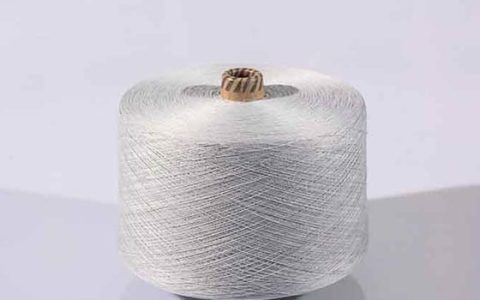
At its core, garment fabric yarn is the building block of every piece of clothing. Its properties—tenacity, elongation, evenness, and colorfastness—directly influence fabric performance, from drape and hand feel to durability and color consistency. Yet, many companies treat yarn as a commodity, focusing solely on price per kilogram. This shortsighted approach often leads to costly downstream issues. Let's break down the three most common pain points we see in the industry and how to address them.
Pain Point 1: Quality Inconsistency Across Batches
You've probably experienced this: the first batch of yarn performs flawlessly, but the second batch causes machine stoppages and fabric defects. Inconsistency in yarn quality—whether in count variation, twist level, or fiber blend—can lead to a cascade of problems. For example, a European knitwear manufacturer we worked with was struggling with shade variations in their premium cotton sweaters. The root cause? Inconsistent dye uptake due to variations in yarn mercerization. The result was a 15% rejection rate at the fabric inspection stage, translating to over €200,000 in lost revenue annually. Additionally, machine downtime increased by 20% as operators had to constantly adjust settings to accommodate the varying yarn. The hidden costs of rework, waste, and delayed shipments quickly add up.
Pain Point 2: Supply Chain Disruptions and Lead Time Pressures
In today's fast-paced fashion market, lead times are shrinking, and any hiccup in the supply chain can derail your production schedule. We've seen brands miss critical launch dates because their yarn supplier couldn't deliver on time due to raw material shortages or logistical bottlenecks. One of our clients, a sportswear brand in the US, faced a crisis when their regular yarn supplier failed to deliver a specialized polyester blend for their new performance line. The delay pushed back their product launch by six weeks, resulting in a loss of approximately $500,000 in projected sales and damaging relationships with key retail partners. The ripple effects included expedited shipping costs and overtime labor to catch up, further eroding margins.
Pain Point 3: Performance Gaps in Technical Fabrics
As consumers demand more from their clothing—moisture-wicking, UV protection, antimicrobial properties—the yarn must deliver. However, many standard yarns fall short, leading to product failures and returns. A case in point: a German outdoor apparel company launched a line of hiking socks using a conventional wool/nylon blend. Despite promising moisture management, the socks retained sweat and caused blisters, leading to a 25% return rate and a hit to brand reputation. The cost of processing returns, restocking, and lost future sales amounted to over €150,000. The company realized that the yarn's fiber structure and spinning method were inadequate for the intended performance.
These pain points are not isolated incidents; they are systemic challenges that require a strategic approach to yarn sourcing and development. So, how can you overcome them? Let's explore the solutions.
Solution 1: Rigorous Quality Control and Traceability
To combat inconsistency, you need a yarn supplier that implements stringent quality control at every stage—from fiber selection to spinning, dyeing, and packaging. At Jiangsu Textile Research Institute Inc., we employ advanced testing protocols, including Uster statistics for evenness, High Volume Instrument (HVI) testing for fiber properties, and spectrophotometric color matching. Our yarns are produced with traceability in mind, allowing you to track each batch back to the raw material. For the European knitwear manufacturer mentioned earlier, we introduced a proprietary blend with locked-in mercerization parameters, ensuring consistent dye uptake. The result: rejection rates dropped from 15% to under 2%, and machine downtime decreased by 18%. The annual savings exceeded €180,000.
Solution 2: Resilient Supply Chain and Strategic Inventory
Supply chain resilience is built on transparency and partnership. We work closely with our clients to forecast demand and maintain strategic inventory of critical yarns. Our global network of production facilities and raw material sources allows us to mitigate risks. For the US sportswear brand, we stepped in as a secondary supplier and delivered the specialized polyester blend within three weeks, helping them launch only two weeks late. We also set up a vendor-managed inventory program, ensuring they always have a safety stock of key yarns. This reduced their lead time variability by 30% and eliminated stockouts. The brand's supply chain manager noted, "Jiangsu Textile Research Institute Inc. turned a potential disaster into a manageable delay. Their proactive approach saved our launch."
Solution 3: Performance-Driven Yarn Engineering
For technical fabrics, off-the-shelf yarns often aren't enough. We collaborate with clients to engineer yarns that meet specific performance criteria. Using advanced spinning technologies like compact spinning, siro spinning, and air-jet spinning, we can tailor yarn structure for enhanced moisture management, strength, and softness. For the German outdoor brand, we developed a wool/nylon blend with a hydrophobic core and hydrophilic sheath, coupled with a unique twist profile that promotes capillary action. The new socks wicked moisture 40% faster and reduced blisters, leading to a return rate drop to 5% and a 20% increase in repeat purchases. The brand's product developer commented, "The technical support from Jiangsu Textile Research Institute Inc. was exceptional. They didn't just sell us yarn; they solved our performance problem."
Client Success Stories
Our solutions have helped clients across the globe achieve remarkable results. Here are a few more examples:
- Italy - Luxe Knitwear: A family-owned luxury knitwear brand in Biella struggled with yarn breakage during production, causing delays and quality issues. We supplied a high-tenacity merino yarn with optimized twist, reducing breakage by 70% and increasing production efficiency by 25%. The owner remarked, "Our partnership with Jiangsu Textile Research Institute Inc. has been transformative. Their yarns are now the backbone of our collection."
- USA - Performance Activewear: A California-based activewear company needed a yarn that could withstand high-intensity workouts and frequent washing. We developed a proprietary blend of recycled polyester and elastane with enhanced colorfastness and elasticity. After switching, their product return rate due to seam slippage dropped from 12% to 3%, and customer satisfaction scores increased by 15%. The sourcing director said, "The technical expertise of Jiangsu Textile Research Institute Inc. is unmatched. They understand the demands of performance apparel."
- Germany - Medical Textiles: A manufacturer of medical compression garments required yarns with consistent compression properties and biocompatibility. We provided a specialized nylon yarn with controlled elongation and antimicrobial finish. The compression consistency improved by 30%, leading to fewer complaints and a 10% increase in market share. The R&D manager noted, "Jiangsu Textile Research Institute Inc. delivered a yarn that met our stringent medical standards. Their quality control is impeccable."
- Japan - Premium Shirting: A high-end shirt maker in Tokyo sought a yarn that could produce fabrics with a silky hand and excellent drape. We supplied a long-staple cotton yarn with a unique compact spinning process, resulting in a fabric that exceeded their expectations. The fabric's tensile strength improved by 20%, and the brand saw a 15% increase in sales for their premium line. The product manager commented, "The yarn from Jiangsu Textile Research Institute Inc. has elevated our shirting to a new level of luxury."
Applications and Partnerships
Our garment fabric yarns are used in a wide range of applications, from high-fashion knitwear and performance activewear to medical textiles and premium shirting. We are proud to partner with leading brands and manufacturers worldwide, including several Fortune 500 companies in the apparel and textile industry. Our collaborative approach ensures that our yarns are not just products but solutions tailored to your specific needs. By choosing Jiangsu Textile Research Institute Inc., you gain a partner committed to innovation, quality, and sustainability.
Frequently Asked Questions
Q1: How do you ensure batch-to-batch consistency in yarn quality?
A1: We implement a comprehensive quality management system that includes raw material inspection, in-process controls, and final product testing. Key parameters such as yarn count, twist, tenacity, elongation, and evenness are monitored using Uster and other industry-standard equipment. We also maintain detailed records for traceability and use statistical process control to detect and correct any deviations. Our ISO 9001 certification underscores our commitment to consistency.
Q2: What is the typical lead time for custom yarn development?
A2: Lead time varies depending on the complexity of the yarn and the availability of raw materials. For a standard custom blend, we can provide samples within 2-3 weeks and production quantities in 6-8 weeks. For more complex performance yarns, the development phase may take 4-6 weeks, with production lead times of 8-10 weeks. We work closely with clients to establish realistic timelines and provide regular updates.
Q3: Can you supply yarns with recycled or sustainable fibers?
A3: Yes, we offer a range of sustainable yarns, including those made from recycled polyester (rPET), organic cotton, and biodegradable fibers. Our recycled yarns are certified by Global Recycled Standard (GRS) and meet the growing demand for eco-friendly textiles. We can also help you achieve certifications like OEKO-TEX Standard 100 for your final products.
Q4: How do you handle color matching for dyed yarns?
A4: We use spectrophotometric color matching to ensure precise color reproduction. Our lab technicians work with you to establish color standards and then match them using computer-aided color formulation. We also conduct lightfastness and washfastness tests to ensure the color meets your performance requirements. For critical colors, we can provide lab dips for approval before bulk production.
Q5: What support do you offer for troubleshooting yarn-related production issues?
A5: Our technical team is available to assist with any yarn-related issues. We can provide on-site support, conduct root cause analysis, and recommend adjustments to machinery settings or process parameters. We also offer training sessions for your production staff on best practices for handling our yarns. Our goal is to ensure seamless integration and optimal performance.
Conclusion
Your garment fabric yarn is more than just a cost line—it's a strategic asset that can drive quality, efficiency, and innovation. By addressing quality inconsistency, supply chain vulnerabilities, and performance gaps, you can unlock significant value and avoid the hidden costs that plague many manufacturers. At Jiangsu Textile Research Institute Inc., we are dedicated to helping you achieve these goals through advanced yarn engineering, rigorous quality control, and collaborative partnerships. Don't let subpar yarn silently erode your profits. Take action today: download our technical white paper on advanced yarn solutions or contact our sales engineers to discuss how we can tailor a yarn strategy for your business. Your bottom line will thank you.
Related News
Read More >-
![Is Your Anti-Bacterial Fabric Really Safe?]()
Is Your Anti-Bacterial Fabric Really Safe?
1. Introduction: The hidden truth behind anti-bacterial fabrics 2. Pain Points: Why conventional anti-bacterial treatments fail - Durability issues - Skin irritation and toxicity - Environmental impact 3. Solutions: Advanced anti-bacterial fabric technologies - Durable silver-ion technology - Non-toxic, skin-safe treatments - Eco-friendly manufacturing 4. Customer Success Stories - Case 1: Healthcare provider in Germany - Case 2: Sportswear brand in the USA - Case 3: Hospitality chain in France - Case 4: Medical textile distributor in Japan 5. Applications and Partnerships - Key application areas - Strategic partnerships 6. FAQ: Engineers and Procurement Managers Ask 7. Conclusion and Call to Action
-
![Can Fire Resistant Fabrics Survive 2000°F?]()
Can Fire Resistant Fabrics Survive 2000°F?
1. Introduction: The 2000°F Challenge 2. Pain Points in High-Temperature Applications 3. Solutions: Engineering Fire Resistant Fabrics for Extreme Heat 4. Customer Success Stories 5. Applications and Partnerships 6. FAQ for Engineers and Procurement Managers 7. Conclusion and Call to Action
-
![Can Antistatic Twill Fabric Cut Downtime?]()
Can Antistatic Twill Fabric Cut Downtime?
1. Introduction: The Hidden Cost of Static in High-Tech Manufacturing 2. Pain Points: ESD Damage, Dust Attraction, and Operator Discomfort 3. The Solution: How Antistatic Twill Fabric Works 4. Customer Success Stories 5. Applications and Partnerships 6. FAQ for Engineers and Procurement Managers 7. Conclusion and Call to Action