



Understanding Flame Resistant Fabrics
2026-03-20 15:13
In high-risk industrial environments, worker safety depends heavily on the performance of protective clothing. Among the most critical materials used in personal protective equipment (PPE) are flame resistant fabrics. These functional fabrics are engineered to reduce the risk of burn injuries by resisting ignition, limiting flame spread, and minimizing heat transfer.
As industries such as oil and gas, electrical utilities, and manufacturing continue to enforce stricter safety regulations, the demand for high-quality flame resistant fabrics continues to grow. In this guide, we will explore what flame resistant fabrics are, how they work, how they differ from other fire protection materials, and how they are used across industries.
What Are Flame Resistant Fabrics?
What Does “Flame Resistant” Really Mean?
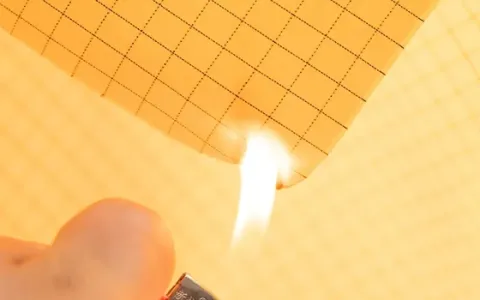
Flame resistant fabrics are engineered to limit ignition, reduce flame spread, and self-extinguish once the ignition source is removed. Unlike ordinary textiles, they are designed to minimize burn injury rather than completely prevent exposure to fire.
It is important to understand that FR fabrics are not fireproof. Instead, they act as a protective barrier that slows down heat transfer and reduces the severity of burns.
Why Flame Resistant Fabrics Are Essential for Industrial Safety
In industries where workers are exposed to fire hazards, flame resistant fabrics are not optional—they are essential. These materials play a critical role in reducing the severity of injuries caused by flash fires, arc flashes, and high-temperature exposure.
For example, in oil refineries and chemical plants, sudden flash fires can occur without warning. Workers wearing garments made from industrial flame resistant fabric are better protected because these fabrics resist ignition and self-extinguish quickly.
Additionally, flame resistant fabrics are widely used in electrical environments where arc flashes pose serious risks. In such cases, protective clothing made from fr cotton fabric or other advanced materials can significantly reduce burn injuries.
By using flame resistant fabrics, companies not only improve worker safety but also ensure compliance with safety regulations and reduce long-term liability.

How Flame Resistant Fabrics Work
The Science Behind Flame Resistance
The effectiveness of flame resistant fabrics lies in their unique chemical and physical properties. When exposed to heat or flame, these fabrics undergo controlled reactions that prevent combustion.
In many flame resistant fabrics, the fibers form a protective char layer when exposed to high temperatures. This char acts as a barrier, reducing heat transfer and preventing oxygen from fueling the flame. This is especially true for materials with inherent flame retardant properties, where the fiber structure itself resists burning.
Other flame resistant fabrics, such as treated cotton or flame retardant polyester, rely on chemical finishes that react to heat. These finishes may release gases that dilute oxygen or promote char formation, thereby stopping the flame from spreading.
How Fabrics Prevent Ignition, Melting, and Flame Spread
One of the most important functions of flame resistant fabrics is to prevent ignition. These functional fabrics are designed to require higher temperatures to ignite compared to standard textiles.
Additionally, many flame resistant fabrics are engineered to resist melting. Conventional synthetic fabrics can melt and drip when exposed to heat, causing severe burns. In contrast, high-quality flame resistant fabrics maintain their structure and do not drip molten material.
Finally, flame resistant fabrics limit flame spread by self-extinguishing once the heat source is removed. This characteristic is essential for reducing injury risk in emergency situations.
Because of these properties, flame resistant fabrics are widely recognized as reliable fire resistant fabric solutions in industrial safety applications.
Flame Resistant vs. Flame Retardant Fabrics
Key Differences in Performance and Durability
Although often used interchangeably, flame resistant fabrics and flame retardant fabrics are not the same. Understanding the difference is important when selecting functional fabrics.
Flame resistant fabrics are typically made from fibers with built-in fire resistance. This means their protective properties do not wash out or degrade over time. These fabrics offer long-term durability and consistent performance.
On the other hand, flame retardant fabrics are usually treated with chemical finishes. While these treatments provide effective fire protection, they may diminish after repeated washing or wear.
For industries that require long-lasting protection, flame resistant fabrics are often the preferred choice over standard flame retardant textiles.
When to Choose FR vs. Flame Retardant Fabrics
Choosing between flame resistant fabrics and treated fabrics depends on the application.
Use flame resistant fabrics when durability and long-term protection are critical
Choose treated fabrics, such as flame retardant polyester, for cost-sensitive applications
Consider fr cotton fabric when comfort and breathability are priorities
In high-risk environments such as oil refineries or electrical utilities, industrial flame resistant fabric is generally recommended due to its superior performance and reliability.
Applications of Flame Resistant Fabrics Across Industries

Oil & Gas and Petrochemical Industry
In the oil and gas sector, workers face constant exposure to flammable materials and potential flash fires. Flame resistant fabrics are widely used in protective clothing to reduce the risk of severe burns.
Garments made from industrial flame resistant fabric provide essential protection in these environments, helping workers respond safely to unexpected fire hazards.
Electrical and Arc Flash Protection
Electrical workers are exposed to arc flash hazards, which can generate extreme heat in milliseconds. Flame resistant fabrics are specifically designed to withstand these conditions and prevent ignition.
Protective clothing made from fr cotton fabric and other advanced materials is commonly used to provide arc flash protection in compliance with safety standards.
Firefighting and Emergency Services
Firefighters rely heavily on flame resistant fabrics for protection against intense heat and flames. These fabrics must perform under extreme conditions, making inherent flame retardant materials the preferred choice.
High-performance flame resistant fabrics are used in turnout gear, gloves, and protective hoods for emergency responders.
Manufacturing and Industrial Workwear
In manufacturing environments, workers may encounter sparks, molten metal, or high heat. Flame resistant fabrics are used to create durable workwear that protects against these hazards.
Materials such as flame retardant polyester and fr cotton fabric are commonly used in industrial uniforms due to their balance of protection and comfort.
Benefits of High-Quality Flame Resistant Fabrics
Enhanced Worker Safety and Risk Reduction
The primary benefit of flame resistant fabrics is improved safety. By resisting ignition and limiting flame spread, these fabrics significantly reduce the risk of severe burns.
Compliance with Safety Regulations
Many industries require protective clothing made from certified flame resistant fabrics. Using compliant materials helps companies meet safety standards and avoid regulatory penalties.
Durability and Long-Term Performance
High-quality flame resistant fabrics maintain their protective properties over time. Unlike some flame retardant textiles, they do not lose effectiveness after repeated washing, making them a cost-effective solution in the long run.
Comfort and Wearability
Modern flame resistant fabrics are designed with comfort in mind. Materials such as fr cotton fabric provide breathability and flexibility, ensuring that workers can perform their tasks efficiently without compromising safety.
Partnering With CJTI for Flame Resistant Fabric Innovation
Engineered for High-Risk Industrial Environments
CJTI specializes in developing advanced flame resistant fabrics tailored for demanding industrial applications. By focusing on real-world hazards such as flash fires and arc flashes, CJTI ensures that its materials deliver reliable protection in high-risk environments.
Flexible Material Development for Diverse Applications
As a professional flame retardant fabric manufacturer, CJTI offers flexible solutions to meet diverse industry needs. From flame retardant textiles to advanced industrial flame resistant fabric, CJTI provides materials that can be customized for different performance requirements.
Whether the application requires lightweight comfort or maximum heat resistance, CJTI can develop tailored solutions using materials such as flame retardant polyester and blended fabrics.
Technical Support From Fiber Selection to Fabric Performance
CJTI goes beyond manufacturing by providing technical support throughout the entire development process. From selecting the right fibers with inherent flame retardant properties to optimizing fabric performance, CJTI works closely with customers to deliver high-quality flame resistant fabrics.
With strong R&D capabilities and a focus on innovation, CJTI helps clients achieve the perfect balance between safety, durability, and comfort.
Summary
By understanding the performance, applications, and benefits of flame resistant fabrics, businesses can make informed decisions when selecting protective materials. Whether for industrial workwear, emergency response gear, or specialized PPE, investing in high-quality flame resistant fabrics is essential for ensuring safety and compliance in today’s demanding environments.
Related News
Read More >-
![What is Level 5 Cut Resistant Clothing?]()
What is Level 5 Cut Resistant Clothing?
-
![Why the Electronics Industry Relies on Antistatic Fabric]()
Why the Electronics Industry Relies on Antistatic Fabric
-
![Why Antistatic Fabric Is Essential in Pharmaceutical Manufacturing]()
Why Antistatic Fabric Is Essential in Pharmaceutical Manufacturing
Explore why antistatic fabric has become an essential material in pharmaceutical manufacturing, how it works, its advantages over ordinary fabrics, and what buyers should consider when selecting pharmaceutical workwear.
-
![Top 10 Industries That Use Antistatic Fabric]()
Top 10 Industries That Use Antistatic Fabric
Discover the top 10 industries that use antistatic fabric, from electronics and pharmaceuticals to food processing, and learn how it improves safety and quality.
-
![What are Specialty Fabrics?]()
What are Specialty Fabrics?
Discover what specialty fabrics are, their key features, materials, and industrial applications. Explore innovations in functional fabric, flame retardant fabric, antistatic fabric, cut resistant fabric, and sustainable textile technologies.
-
![Cleanroom Clothing: The Ultimate Guide for Controlled Environments]()
Cleanroom Clothing: The Ultimate Guide for Controlled Environments
Learn everything about cleanroom clothing, including garment types, antistatic materials, ESD protection, key applications, and how to choose the right cleanroom garments for controlled environments.
-
![How to Choose Aramid Sewing Thread?]()
How to Choose Aramid Sewing Thread?
Learn how to choose the right aramid sewing thread for flame retardant clothing, industrial gloves, aerospace textiles, and high-heat applications. Compare meta aramid sewing thread vs para aramid sewing thread, key performance factors, and customization options.
-
![Exploring the Latest Innovations in Functional Fabrics]()
Exploring the Latest Innovations in Functional Fabrics
Discover how functional fabrics are transforming industries through smart textiles, advanced protective materials, sustainable fabric technologies, and next-generation applications in workwear, healthcare, sportswear, and industrial safety.